How does astaxanthin affect the brain?
-
Table of Contents
- Astaxanthin and Brain Health: Unveiling the Neuroprotective Benefits
- The Antioxidant Power of Astaxanthin
- Neuroprotective Effects of Astaxanthin
- Case Studies and Clinical Trials
- Statistics on Brain Health and Antioxidant Supplementation
- Conclusion: Astaxanthin’s Role in Brain Health
- Discover ETchem’s Protein Products
Astaxanthin and Brain Health: Unveiling the Neuroprotective Benefits
Astaxanthin, a naturally occurring carotenoid found in certain marine plants and animals, has been the subject of numerous scientific studies due to its potential health benefits. This powerful antioxidant is known for its ability to scavenge free radicals and protect cells from oxidative damage. But how does astaxanthin affect the brain? This article delves into the neuroprotective properties of astaxanthin, exploring its impact on cognitive function, neurodegeneration, and overall brain health.
The Antioxidant Power of Astaxanthin
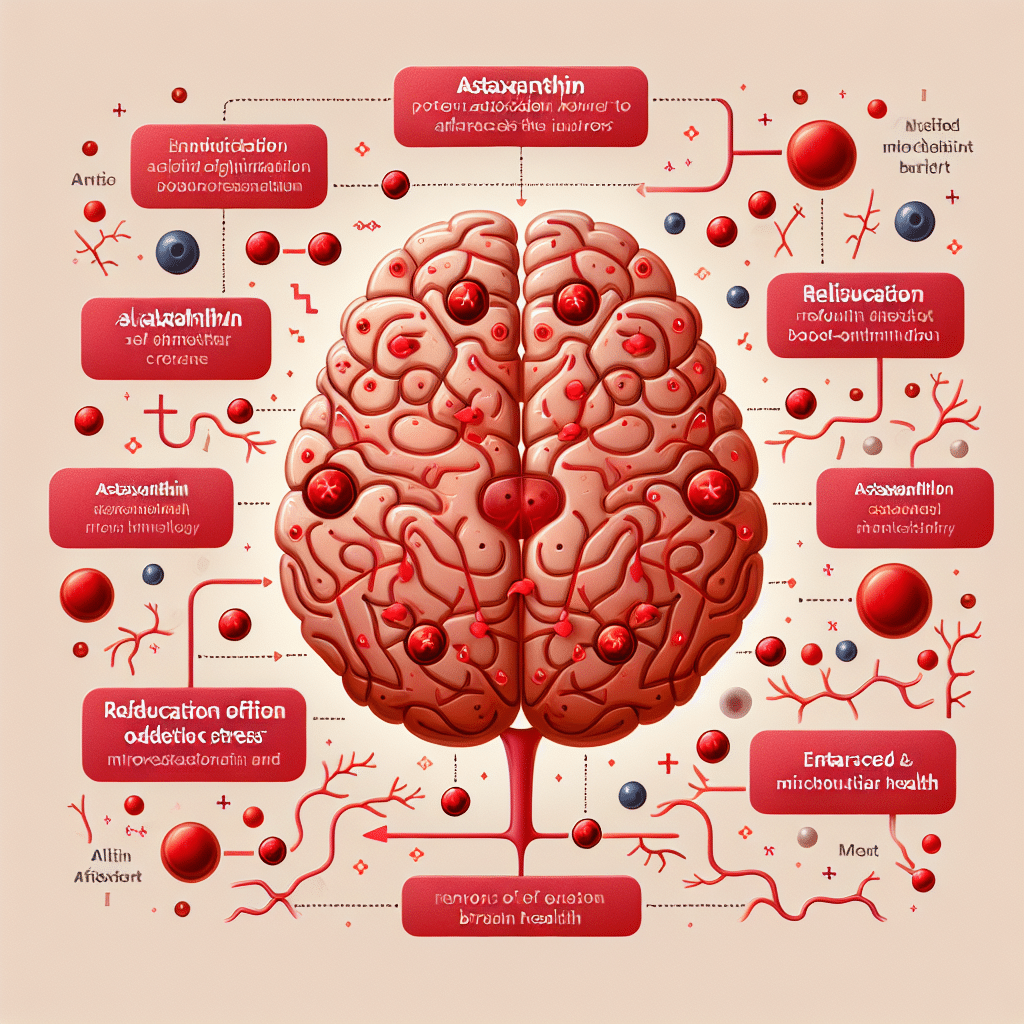
Astaxanthin is a potent antioxidant that surpasses many of its counterparts in terms of its ability to neutralize harmful free radicals. Its unique molecular structure allows it to span the bi-layer of cell membranes, providing comprehensive protection against oxidative stress. This characteristic is particularly beneficial for the brain, an organ highly susceptible to oxidative damage due to its high oxygen consumption and lipid-rich environment.
Neuroprotective Effects of Astaxanthin
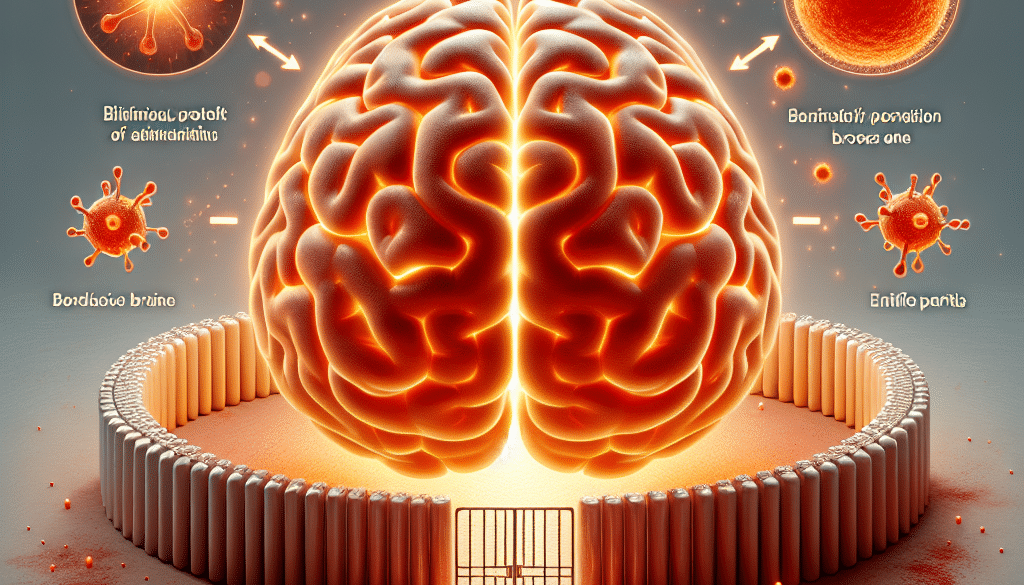
Research has shown that astaxanthin can cross the blood-brain barrier, a selective permeability barrier that protects the brain from potentially harmful substances. Once inside the brain, astaxanthin can exert its antioxidant effects, potentially offering protection against a range of neurological conditions.
- Protection Against Neurodegenerative Diseases: Studies suggest that astaxanthin may help in the prevention and treatment of neurodegenerative diseases such as Alzheimer’s and Parkinson’s. Its antioxidant properties can mitigate the effects of oxidative stress, which is a contributing factor in the pathogenesis of these diseases.
- Enhancement of Cognitive Function: Astaxanthin has been associated with improved cognitive performance. Research indicates that it may enhance memory, attention, and information processing by protecting neurons from oxidative damage and inflammation.
- Anti-inflammatory Properties: In addition to its antioxidant effects, astaxanthin also exhibits anti-inflammatory properties. Chronic inflammation is a known contributor to cognitive decline and neurodegenerative diseases, and astaxanthin’s ability to reduce inflammatory markers can be beneficial for brain health.
Case Studies and Clinical Trials
Several clinical trials have investigated the effects of astaxanthin on cognitive function and brain health. For instance, a randomized, double-blind, placebo-controlled study found that older individuals who took astaxanthin supplements showed improvements in cognitive function compared to those who received a placebo. Another study on healthy middle-aged and elderly subjects revealed that astaxanthin supplementation led to enhanced reaction time and processing speed.
Moreover, animal studies have provided insights into the mechanisms by which astaxanthin may protect against neurodegenerative diseases. In models of Alzheimer’s disease, astaxanthin supplementation has been shown to reduce the accumulation of amyloid-beta plaques, a hallmark of the disease, and to improve behavioral outcomes.
Statistics on Brain Health and Antioxidant Supplementation
With the aging global population, the prevalence of neurodegenerative diseases is on the rise. According to the World Health Organization, approximately 50 million people worldwide have dementia, with nearly 10 million new cases each year. The search for effective preventive measures, including antioxidant supplementation, is more critical than ever.
Statistics show that the dietary supplements market, including antioxidants like astaxanthin, is growing rapidly. The global market for brain health supplements was valued at over $6 billion in 2020 and is expected to continue expanding as awareness of cognitive health increases.
Conclusion: Astaxanthin’s Role in Brain Health
In conclusion, astaxanthin’s potent antioxidant and anti-inflammatory properties make it a promising candidate for supporting brain health. Its ability to cross the blood-brain barrier allows it to directly combat oxidative stress and inflammation within the brain, offering protection against cognitive decline and neurodegenerative diseases. While further research is needed to fully understand its effects, current evidence suggests that astaxanthin supplementation could be a valuable addition to brain health regimens.
Discover ETchem’s Protein Products
If you’re looking to enhance your health regimen with high-quality protein products, consider exploring ETchem’s offerings. Their extensive range of collagen products, including marine, fish, bovine, and chicken collagen, provides a variety of options to meet your specific needs. ETchem’s commitment to quality and customer satisfaction makes them a top choice for those seeking to improve their health and well-being.
About ETChem:
ETChem, a reputable Chinese Collagen factory manufacturer and supplier, is renowned for producing, stocking, exporting, and delivering the highest quality collagens. They include marine collagen, fish collagen, bovine collagen, chicken collagen, type I collagen, type II collagen and type III collagen etc. Their offerings, characterized by a neutral taste, instant solubility attributes, cater to a diverse range of industries. They serve nutraceutical, pharmaceutical, cosmeceutical, veterinary, as well as food and beverage finished product distributors, traders, and manufacturers across Europe, USA, Canada, Australia, Thailand, Japan, Korea, Brazil, and Chile, among others.
ETChem specialization includes exporting and delivering tailor-made collagen powder and finished collagen nutritional supplements. Their extensive product range covers sectors like Food and Beverage, Sports Nutrition, Weight Management, Dietary Supplements, Health and Wellness Products, ensuring comprehensive solutions to meet all your protein needs.
As a trusted company by leading global food and beverage brands and Fortune 500 companies, ETChem reinforces China’s reputation in the global arena. For more information or to sample their products, please contact them and email karen(at)et-chem.com today.