Is astaxanthin safe for kidneys?
-
Table of Contents
- Astaxanthin and Kidney Safety: An In-Depth Analysis
- Understanding Astaxanthin
- The Role of Antioxidants in Kidney Health
- Research on Astaxanthin and Kidney Safety
- Potential Risks and Considerations
- Case Studies and Anecdotal Evidence
- Conclusion: Is Astaxanthin Safe for Kidneys?
- Discover ETchem’s Protein Products
Astaxanthin and Kidney Safety: An In-Depth Analysis
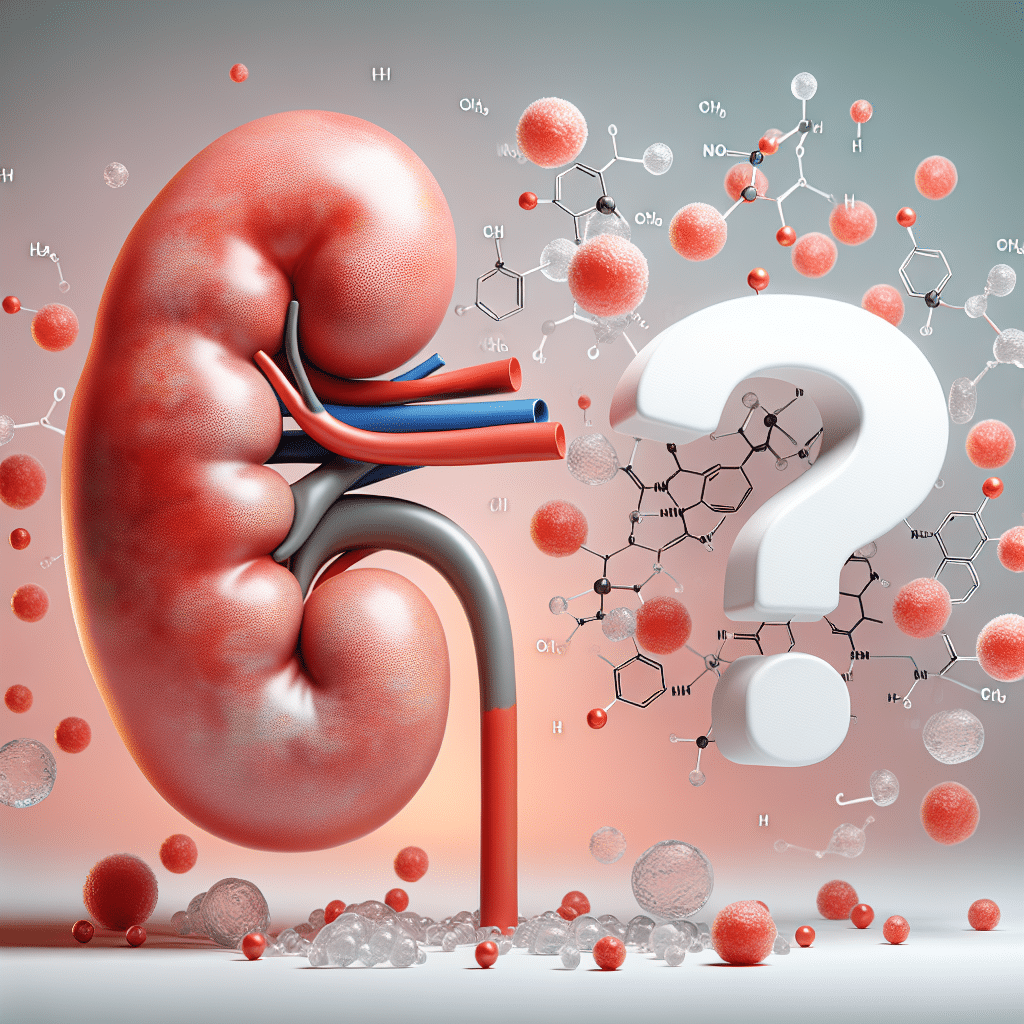
Astaxanthin, a naturally occurring carotenoid found in certain algae, seafood, and some birds, has gained popularity as a potent antioxidant supplement. Its potential health benefits range from improved skin health to enhanced athletic performance. However, as with any supplement, it is crucial to understand its safety profile, especially concerning vital organs like the kidneys. This article delves into the current research surrounding astaxanthin and its effects on kidney health.
Understanding Astaxanthin
Astaxanthin is a keto-carotenoid that contributes to the pink or red color in salmon, trout, lobster, shrimp, and other seafood. It is also present in the feathers of flamingos and quail. As a powerful antioxidant, astaxanthin is known for its ability to neutralize free radicals in the body, potentially protecting cells from oxidative damage.
The Role of Antioxidants in Kidney Health
The kidneys are responsible for filtering waste products from the blood and excreting them in urine. This process exposes the kidneys to high levels of oxidative stress, making antioxidants crucial for maintaining kidney health. Antioxidants like astaxanthin could theoretically help protect the kidneys by reducing oxidative damage.
Research on Astaxanthin and Kidney Safety
Several studies have investigated the effects of astaxanthin on kidney health, with a focus on its safety and potential protective benefits. Here’s what the research suggests:
- Antioxidant Properties: Astaxanthin’s antioxidant capabilities may help protect kidney cells from oxidative stress, which is a contributing factor in various kidney diseases.
- Anti-inflammatory Effects: Chronic inflammation can lead to kidney damage. Astaxanthin has been shown to possess anti-inflammatory properties, which could be beneficial for kidney health.
- Preclinical Studies: Animal studies have indicated that astaxanthin may help reduce the risk of kidney stones and improve outcomes in chronic kidney disease (CKD). However, more research is needed to confirm these effects in humans.
- Clinical Trials: Human studies on astaxanthin are limited, but some have suggested that it may improve markers of oxidative stress and inflammation in patients with CKD.
Despite these promising findings, it is essential to approach the use of astaxanthin with caution until more comprehensive human studies are conducted.
Potential Risks and Considerations
While astaxanthin is generally considered safe for most people, there are some potential risks and considerations to keep in mind:
- Interaction with Medications: Astaxanthin could potentially interact with certain medications, including those affecting blood pressure and immune response.
- Underlying Health Conditions: Individuals with pre-existing kidney conditions should consult with a healthcare provider before taking astaxanthin supplements.
- Dosage: The appropriate dosage of astaxanthin has not been firmly established, and excessive intake could pose risks.
- Purity and Source: The quality of astaxanthin supplements can vary, and impurities or contaminants could harm kidney health.
It is always recommended to seek professional medical advice before starting any new supplement regimen, especially for those with underlying health issues or those taking prescription medications.
Case Studies and Anecdotal Evidence
While scientific research is paramount, case studies and anecdotal evidence can also provide insights into the safety of astaxanthin for kidneys. Some individuals with kidney concerns have reported positive experiences with astaxanthin supplementation, noting improvements in overall well-being and kidney function markers. However, these accounts should not replace evidence from well-designed clinical trials.
Conclusion: Is Astaxanthin Safe for Kidneys?
In conclusion, current research suggests that astaxanthin has potential kidney-protective effects due to its antioxidant and anti-inflammatory properties. However, the evidence is not yet conclusive, and further studies are needed to establish its safety and efficacy for kidney health. Individuals interested in taking astaxanthin should consult with a healthcare provider to ensure it is appropriate for their specific health situation.
Discover ETchem’s Protein Products
If you’re looking for high-quality protein products to complement your health regimen, consider exploring ETchem’s offerings. Their range of collagen products, including marine, fish, bovine, and chicken collagen, provides a variety of options to meet your protein needs. ETchem’s commitment to quality and customer satisfaction makes them a top choice for consumers and businesses alike.
About ETChem:
ETChem, a reputable Chinese Collagen factory manufacturer and supplier, is renowned for producing, stocking, exporting, and delivering the highest quality collagens. They include marine collagen, fish collagen, bovine collagen, chicken collagen, type I collagen, type II collagen and type III collagen etc. Their offerings, characterized by a neutral taste, instant solubility attributes, cater to a diverse range of industries. They serve nutraceutical, pharmaceutical, cosmeceutical, veterinary, as well as food and beverage finished product distributors, traders, and manufacturers across Europe, USA, Canada, Australia, Thailand, Japan, Korea, Brazil, and Chile, among others.
ETChem specialization includes exporting and delivering tailor-made collagen powder and finished collagen nutritional supplements. Their extensive product range covers sectors like Food and Beverage, Sports Nutrition, Weight Management, Dietary Supplements, Health and Wellness Products, ensuring comprehensive solutions to meet all your protein needs.
As a trusted company by leading global food and beverage brands and Fortune 500 companies, ETChem reinforces China’s reputation in the global arena. For more information or to sample their products, please contact them and email karen(at)et-chem.com today.