What is the best source of astaxanthin?
-
Table of Contents
- Astaxanthin Sources: Unveiling the Best Options for Your Health
- Understanding Astaxanthin and Its Benefits
- Natural Sources of Astaxanthin
- Microalgae: The Leading Natural Source
- Seafood: A Secondary Natural Source
- Synthetic Astaxanthin
- Comparing Natural and Synthetic Astaxanthin
- Supplementation: A Convenient Source of Astaxanthin
- Choosing the Right Astaxanthin Supplement
- Case Studies and Research
- Conclusion: The Superiority of Natural Astaxanthin
- Discover ETChem’s Protein Products
Astaxanthin Sources: Unveiling the Best Options for Your Health
Astaxanthin, a potent antioxidant, has garnered significant attention for its numerous health benefits, including anti-inflammatory properties, skin health improvement, and enhanced athletic performance. But with various sources available, consumers often wonder what the best source of astaxanthin is. This article delves into the origins of astaxanthin, compares natural and synthetic sources, and highlights the most effective ways to incorporate this powerful carotenoid into your diet.
Understanding Astaxanthin and Its Benefits
Astaxanthin is a keto-carotenoid belonging to a larger class of phytochemicals known as terpenes. It is responsible for the vibrant red-orange pigment found in many marine organisms such as salmon, trout, krill, shrimp, crayfish, and algae. Astaxanthin’s antioxidant properties are what make it particularly beneficial, as it helps combat oxidative stress and inflammation, which are linked to various chronic diseases.
- Protection against ultraviolet (UV) light damage
- Support for cardiovascular health
- Enhancement of the immune system
- Improvement in brain health and cognitive function
- Reduction of inflammation and joint pain
Natural Sources of Astaxanthin
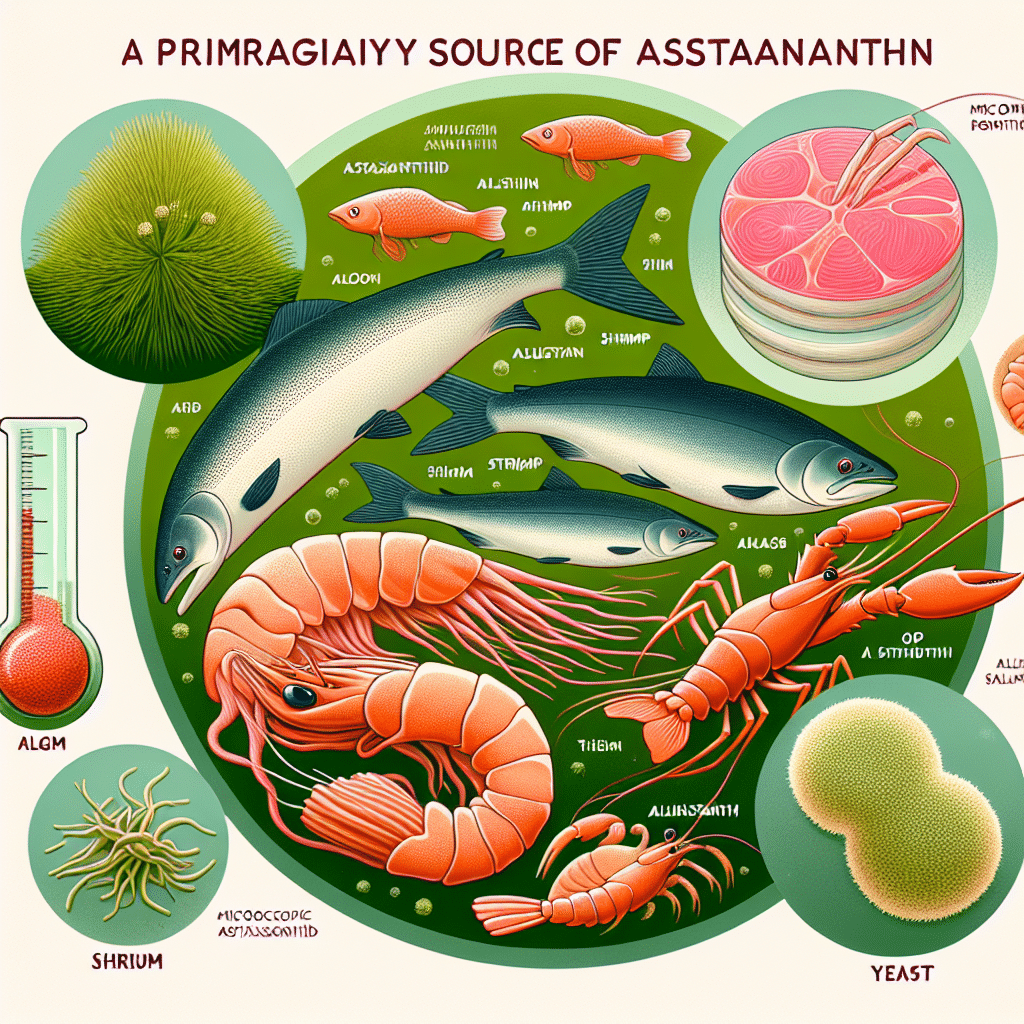
Natural sources of astaxanthin are primarily found in the marine ecosystem. The primary producer of astaxanthin is the microalgae Haematococcus pluvialis, which accumulates the pigment as a protective mechanism against harsh environmental conditions.
Microalgae: The Leading Natural Source
Haematococcus pluvialis is considered the richest natural source of astaxanthin. When subjected to stress, such as intense sunlight or nutrient deficiency, these algae produce astaxanthin in large quantities, which serves as a “force field” against the harsh conditions.
Seafood: A Secondary Natural Source
Sea creatures that consume microalgae, like Haematococcus pluvialis, accumulate astaxanthin in their flesh, which is why salmon, trout, and shrimp have their distinctive red or pink color. Consuming these seafood options is a natural way to obtain astaxanthin, albeit in lower concentrations compared to direct microalgae consumption.
Synthetic Astaxanthin
Synthetic astaxanthin is produced from petrochemical derivatives through a complex chemical process. While synthetic astaxanthin is commonly used in aquaculture to color farmed salmon, it is not identical to the natural form and may not provide the same health benefits.
Comparing Natural and Synthetic Astaxanthin
Studies suggest that natural astaxanthin from Haematococcus pluvialis is superior to its synthetic counterpart in terms of bioavailability and antioxidant capacity. The natural form contains a complex mixture of various astaxanthin isomers, as well as other beneficial carotenoids and nutrients that enhance its effects.
Supplementation: A Convenient Source of Astaxanthin
For those who do not consume enough astaxanthin-rich foods or are looking for a more concentrated source, supplements are an excellent option. Astaxanthin supplements typically come from the microalgae Haematococcus pluvialis and are available in various forms, including softgels, capsules, and liquids.
Choosing the Right Astaxanthin Supplement
When selecting an astaxanthin supplement, it’s crucial to consider the following:
- Source: Opt for supplements derived from Haematococcus pluvialis for the best quality.
- Concentration: Check the amount of astaxanthin per serving to ensure you’re getting an effective dose.
- Purity: Look for supplements with minimal additives and fillers.
- Certifications: Choose products with third-party testing and certifications for quality assurance.
Case Studies and Research
Several studies have highlighted the benefits of astaxanthin supplementation. For instance, a study published in the Journal of Cosmetic Dermatology found that astaxanthin improved skin elasticity, moisture, and texture. Another study in the Journal of Sports Medicine showed that astaxanthin supplementation enhanced endurance and reduced muscle damage in athletes.
Conclusion: The Superiority of Natural Astaxanthin
In conclusion, the best source of astaxanthin is the microalgae Haematococcus pluvialis, which offers the highest concentration and a complex mixture of beneficial compounds. While seafood can provide astaxanthin, the levels are significantly lower. Synthetic astaxanthin lacks the full range of health benefits associated with the natural form. For those seeking to boost their intake, high-quality natural astaxanthin supplements are a convenient and effective option.
Discover ETChem’s Protein Products
While astaxanthin is a powerful antioxidant, it’s also essential to consider overall nutrition, including protein intake. ETChem offers a range of high-quality protein products that can complement your health regimen. Their extensive selection of collagens, including marine, fish, bovine, and chicken collagen, caters to various dietary preferences and applications. Whether you’re looking to support your skin health, joint function, or muscle recovery, ETChem’s protein products are an excellent addition to your diet.
About ETChem:
ETChem, a reputable Chinese Collagen factory manufacturer and supplier, is renowned for producing, stocking, exporting, and delivering the highest quality collagens. They include marine collagen, fish collagen, bovine collagen, chicken collagen, type I collagen, type II collagen and type III collagen etc. Their offerings, characterized by a neutral taste, instant solubility attributes, cater to a diverse range of industries. They serve nutraceutical, pharmaceutical, cosmeceutical, veterinary, as well as food and beverage finished product distributors, traders, and manufacturers across Europe, USA, Canada, Australia, Thailand, Japan, Korea, Brazil, and Chile, among others.
ETChem specialization includes exporting and delivering tailor-made collagen powder and finished collagen nutritional supplements. Their extensive product range covers sectors like Food and Beverage, Sports Nutrition, Weight Management, Dietary Supplements, Health and Wellness Products, ensuring comprehensive solutions to meet all your protein needs.
As a trusted company by leading global food and beverage brands and Fortune 500 companies, ETChem reinforces China’s reputation in the global arena. For more information or to sample their products, please contact them and email karen(at)et-chem.com today.