
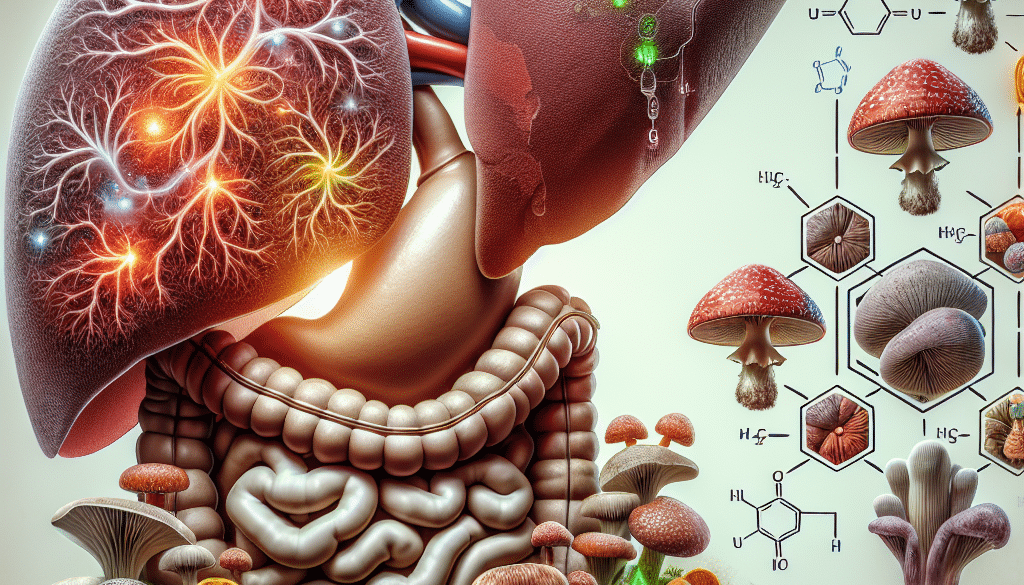
Are mushroom supplements hard on your liver?
-
Table of Contents
- Mushroom Supplements and Liver Health: A Comprehensive Analysis
- Understanding Mushroom Supplements
- The Liver’s Role in Detoxification
- Research on Mushroom Supplements and Liver Health
- Positive Effects on Liver Health
- Potential Risks and Considerations
- Case Studies and Clinical Trials
- Regulatory Oversight and Quality Control
- Best Practices for Supplement Use
- Conclusion: Balancing Benefits and Risks
- Discover ETChem’s Protein Products
Mushroom Supplements and Liver Health: A Comprehensive Analysis
Mushroom supplements have gained popularity in recent years for their potential health benefits, which include boosting the immune system, enhancing cognitive function, and providing a rich source of antioxidants. However, with the rise in their use, concerns have emerged regarding their impact on liver health. This article delves into the current research to answer the question: Are mushroom supplements hard on your liver?
Understanding Mushroom Supplements
Mushroom supplements are derived from various species of mushrooms and are available in different forms, such as powders, capsules, and tinctures. They contain bioactive compounds like polysaccharides, beta-glucans, and triterpenoids, which are thought to contribute to their health-promoting properties. Common mushrooms used in these supplements include Reishi, Chaga, Cordyceps, Lion’s Mane, and Turkey Tail, among others.
The Liver’s Role in Detoxification
The liver is a vital organ responsible for filtering toxins from the blood, aiding in digestion, and regulating metabolism. It processes everything we ingest, including food, drinks, and supplements. Therefore, it’s crucial to consider the liver’s workload when introducing new substances into our diet.
Research on Mushroom Supplements and Liver Health
Scientific studies have explored the effects of mushroom supplements on liver health, with varying results. Some research suggests that certain mushrooms may offer hepatoprotective benefits, helping to support and protect liver function. However, other studies indicate potential risks, especially when consumed in excessive amounts or by individuals with pre-existing liver conditions.
Positive Effects on Liver Health
- Reishi mushrooms have been shown to exhibit liver-protective effects by reducing liver enzyme levels and improving liver function in individuals with hepatitis.
- Cordyceps has demonstrated potential in protecting the liver from damage due to its anti-inflammatory and antioxidant properties.
- Lion’s Mane may support liver health by promoting the regeneration of liver cells and reducing the accumulation of fat in the liver.
Potential Risks and Considerations
- Some mushroom species, like Amanita phalloides (Death Cap), are highly toxic to the liver and can cause severe damage or even death if ingested. While these are not used in supplements, it underscores the importance of proper identification and sourcing of mushrooms.
- Individuals with existing liver conditions should exercise caution when taking mushroom supplements, as they may exacerbate certain liver diseases.
- Overconsumption of mushroom supplements may lead to an increased burden on the liver, potentially resulting in liver enzyme elevations or liver damage.
Case Studies and Clinical Trials
Several case studies and clinical trials have provided insights into the relationship between mushroom supplements and liver health. For instance, a study published in the International Journal of Medicinal Mushrooms found that Reishi mushroom extract improved liver function in patients with chronic hepatitis B. Conversely, a case report in the Journal of Medical Case Reports highlighted a patient who developed liver toxicity after consuming high doses of a mushroom supplement.
Regulatory Oversight and Quality Control
The dietary supplement industry, including mushroom supplements, is subject to less stringent regulation than pharmaceuticals. This lack of oversight can lead to variability in product quality and potency, which may affect their safety and efficacy. Consumers should look for supplements that have been third-party tested and verified for quality.
Best Practices for Supplement Use
To minimize potential risks to liver health, individuals considering mushroom supplements should:
- Consult with a healthcare provider before starting any new supplement, especially if they have pre-existing health conditions or are taking medications.
- Choose high-quality supplements from reputable manufacturers.
- Follow recommended dosages and avoid excessive use.
- Monitor liver function through regular blood tests if using mushroom supplements long-term.
Conclusion: Balancing Benefits and Risks
Mushroom supplements may offer several health benefits, including potential support for liver health. However, they can also pose risks if not used responsibly or if consumed by individuals with certain liver conditions. It is essential to approach mushroom supplementation with caution, prioritize high-quality products, and consult with healthcare professionals to ensure safe use.
Discover ETChem’s Protein Products
While mushroom supplements are one way to support overall health, it’s also important to consider other nutritional supplements that can contribute to a balanced diet. ETChem offers a range of high-quality protein products, including various types of collagen, which are essential for maintaining healthy skin, bones, and connective tissues. Their products are sourced with care and designed to meet the needs of various industries, ensuring that you can find the right supplement for your health and wellness goals.
About ETChem:
ETChem, a reputable Chinese Collagen factory manufacturer and supplier, is renowned for producing, stocking, exporting, and delivering the highest quality collagens. They include marine collagen, fish collagen, bovine collagen, chicken collagen, type I collagen, type II collagen and type III collagen etc. Their offerings, characterized by a neutral taste, instant solubility attributes, cater to a diverse range of industries. They serve nutraceutical, pharmaceutical, cosmeceutical, veterinary, as well as food and beverage finished product distributors, traders, and manufacturers across Europe, USA, Canada, Australia, Thailand, Japan, Korea, Brazil, and Chile, among others.
ETChem specialization includes exporting and delivering tailor-made collagen powder and finished collagen nutritional supplements. Their extensive product range covers sectors like Food and Beverage, Sports Nutrition, Weight Management, Dietary Supplements, Health and Wellness Products, ensuring comprehensive solutions to meet all your protein needs.
As a trusted company by leading global food and beverage brands and Fortune 500 companies, ETChem reinforces China’s reputation in the global arena. For more information or to sample their products, please contact them and email karen(at)et-chem.com today.


