4 Reasons the Halal Food Industry is Booming
-
Table of Contents
Halal Food Industry Growth: 4 Key Drivers
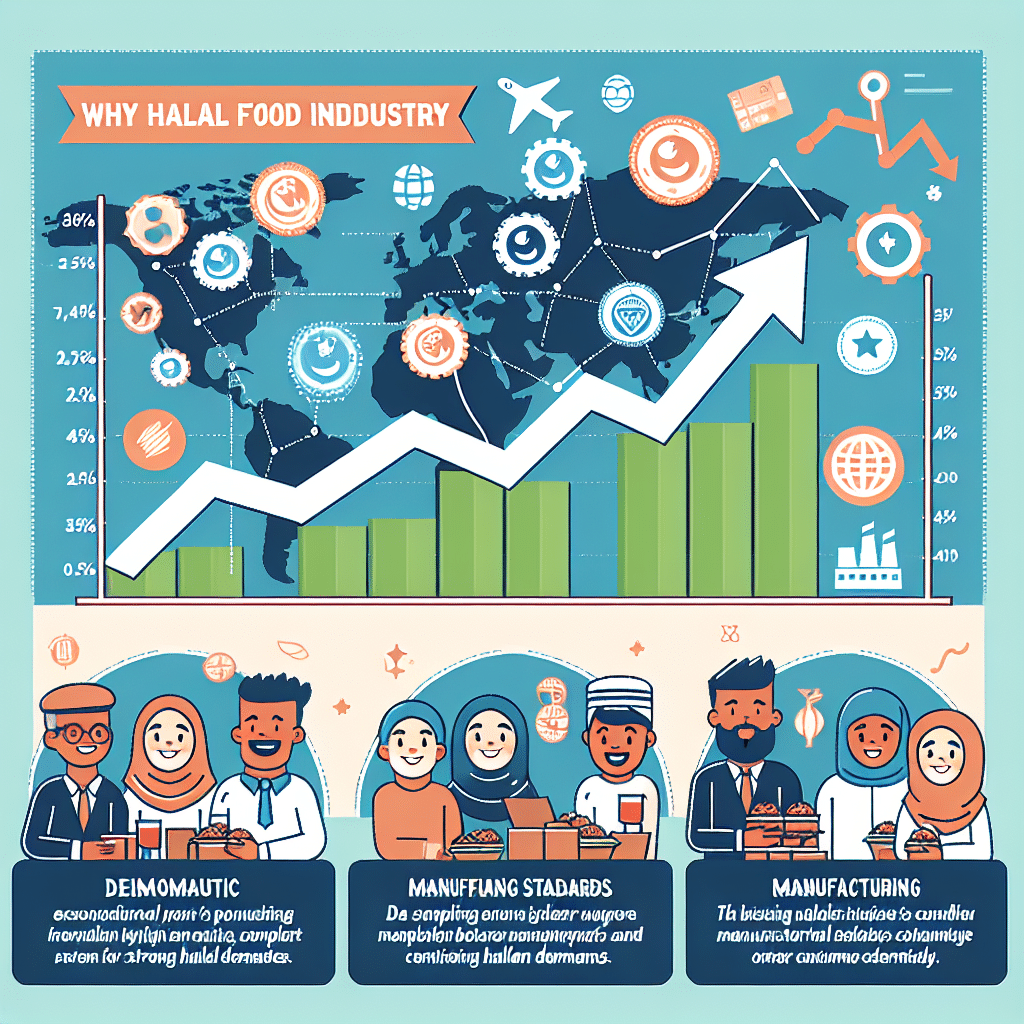
The halal food industry has been experiencing a significant boom in recent years, with a growing consumer base and increasing demand for halal-certified products. This surge is not just limited to Muslim-majority countries but is also evident in Western markets where diversity and dietary preferences are expanding. In this article, we will explore four compelling reasons behind the burgeoning halal food market.
1. Rising Muslim Population
The primary driver of the halal food industry’s growth is the increasing global Muslim population. According to the Pew Research Center, Muslims are projected to be the world’s fastest-growing major religious group in the coming decades. This demographic shift means a larger consumer base for halal products, as adherents of Islam seek out food that complies with Islamic dietary laws.
- Statistics show that the Muslim population is expected to reach 2.2 billion by 2030, which is about 26.4% of the global population.
- Young Muslim consumers, in particular, are becoming more influential, with a significant portion of the Muslim population being under the age of 30.
2. Increasing Awareness and Acceptance
Halal food is gaining traction not only among Muslims but also among non-Muslim consumers who associate halal with ethical consumption and quality assurance. The halal certification is often seen as a mark of food safety, hygiene, and rigorous quality control, which appeals to a broad audience.
- Non-Muslim interest in halal food has led to its inclusion in supermarkets and restaurants around the world, making it more accessible to a diverse clientele.
- Case studies from countries like Singapore and the United Kingdom show that halal-certified eateries and products are becoming mainstream, catering to a multicultural society.
3. Economic Development and Increased Purchasing Power
As economies in Muslim-majority countries grow, so does the purchasing power of their citizens. This economic development allows for greater consumption of diverse food products, including premium halal-certified goods.
- The Organization of Islamic Cooperation (OIC) states that the average economic growth in member countries has been outpacing the global average, leading to increased disposable incomes.
- With more money to spend, Muslim consumers are seeking out high-quality halal products, both domestically and internationally.
4. Globalization and Ease of Trade
Globalization has made it easier for halal food producers to enter international markets. Free trade agreements and advancements in logistics have reduced barriers to trade, allowing halal products to be exported and imported with greater ease.
- Technological advancements in supply chain management have improved the traceability of halal products, ensuring compliance from farm to table.
- International halal food exhibitions and trade shows are becoming more prevalent, providing platforms for businesses to expand their reach.
Conclusion
The halal food industry’s boom can be attributed to a combination of demographic trends, growing consumer awareness, economic development, and globalization. As the industry continues to expand, it presents significant opportunities for businesses and investors to tap into a market that is both diverse and dynamic. The key takeaways from this article highlight the importance of understanding the drivers behind the halal food industry’s growth to capitalize on its potential.
ETChem: Your Partner for Halal Protein Products
If you’re looking to expand your product line to include halal-certified offerings, ETChem’s protein products are an excellent choice. Their extensive range of collagens, including marine, fish, bovine, and chicken collagens, are produced with the highest quality standards and are perfect for businesses catering to the halal market.
- ETChem’s collagens are characterized by a neutral taste and instant solubility, making them ideal for a variety of applications in the food and beverage industry.
- With a commitment to serving diverse industries, ETChem ensures that their products meet the strict requirements of halal certification.
For businesses looking to thrive in the halal food market, partnering with ETChem can provide a competitive edge with their premium protein products. Contact ETChem to explore how their collagens can enhance your halal food offerings.
About ETChem:
ETChem, a reputable Chinese Collagen factory manufacturer and supplier, is renowned for producing, stocking, exporting, and delivering the highest quality collagens. They include marine collagen, fish collagen, bovine collagen, chicken collagen, type I collagen, type II collagen and type III collagen etc. Their offerings, characterized by a neutral taste, instant solubility attributes, cater to a diverse range of industries. They serve nutraceutical, pharmaceutical, cosmeceutical, veterinary, as well as food and beverage finished product distributors, traders, and manufacturers across Europe, USA, Canada, Australia, Thailand, Japan, Korea, Brazil, and Chile, among others.
ETChem specialization includes exporting and delivering tailor-made collagen powder and finished collagen nutritional supplements. Their extensive product range covers sectors like Food and Beverage, Sports Nutrition, Weight Management, Dietary Supplements, Health and Wellness Products, ensuring comprehensive solutions to meet all your protein needs.
As a trusted company by leading global food and beverage brands and Fortune 500 companies, ETChem reinforces China’s reputation in the global arena. For more information or to sample their products, please contact them and email karen(at)et-chem.com today.