The Next Sustainable Ingredient – Insects That Convert Waste Into Protein?
-
Table of Contents
- Insects as Sustainable Protein: Revolutionizing Waste Conversion
- The Rise of Insect Farming
- Waste to Protein: The Insect Conversion Process
- Environmental and Nutritional Benefits
- Case Studies and Success Stories
- Challenges and Considerations
- Future Prospects
- Conclusion
- Discover ETChem’s Protein Products
Insects as Sustainable Protein: Revolutionizing Waste Conversion
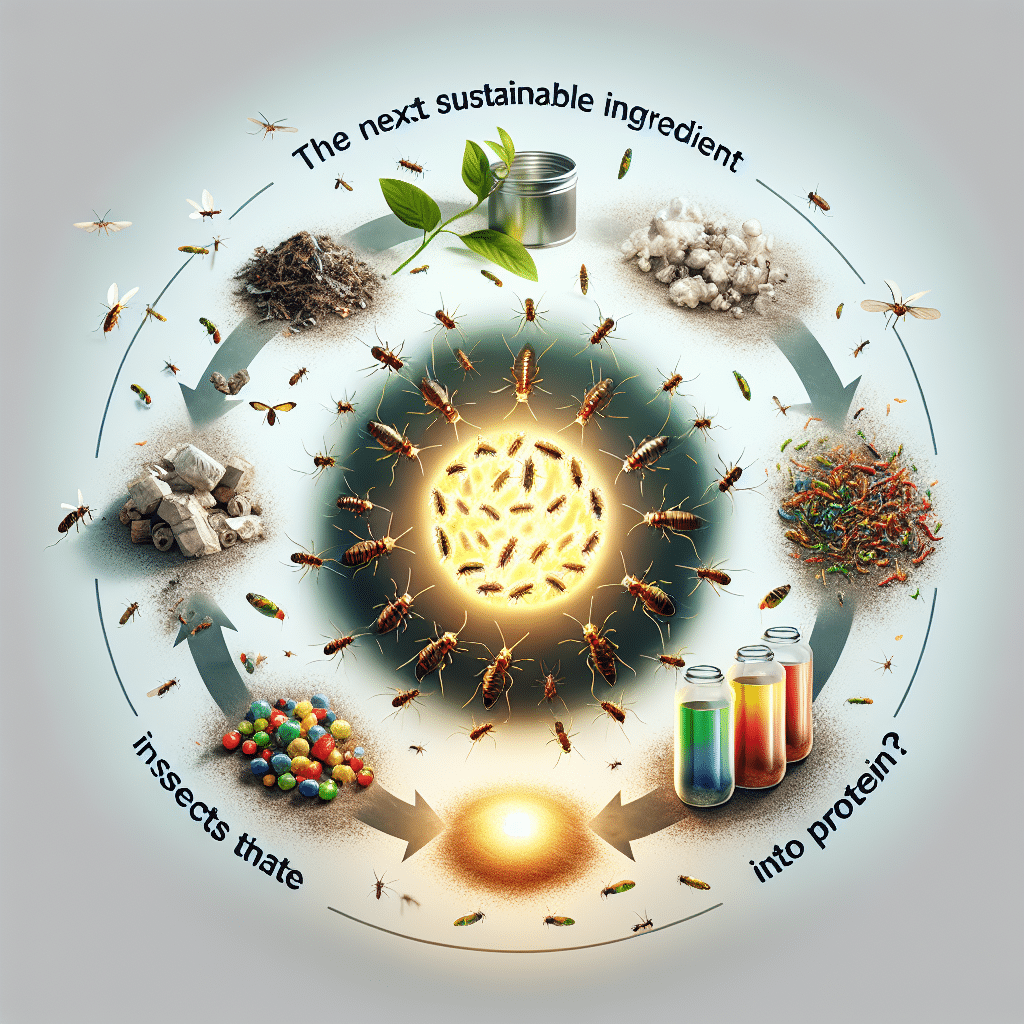
As the global population continues to grow, the demand for protein-rich foods is escalating. Traditional livestock farming is resource-intensive, contributing to deforestation, water scarcity, and greenhouse gas emissions. In the quest for sustainable alternatives, one solution is buzzing with potential: insects. These tiny creatures can convert organic waste into high-quality protein, offering an eco-friendly and efficient way to meet the world’s protein needs.
The Rise of Insect Farming
Insect farming, also known as entomoculture, is the practice of raising insects for food, feed, or other uses. It’s not a new concept; many cultures have been consuming insects for centuries. However, it’s gaining traction in the Western world as a sustainable alternative to conventional animal protein sources.
- Insects require significantly less land, water, and feed compared to cattle, pigs, or chickens.
- They emit fewer greenhouse gases and can be farmed vertically, minimizing land use.
- Insects can be fed with organic waste streams, reducing the need for virgin agricultural inputs.
Waste to Protein: The Insect Conversion Process
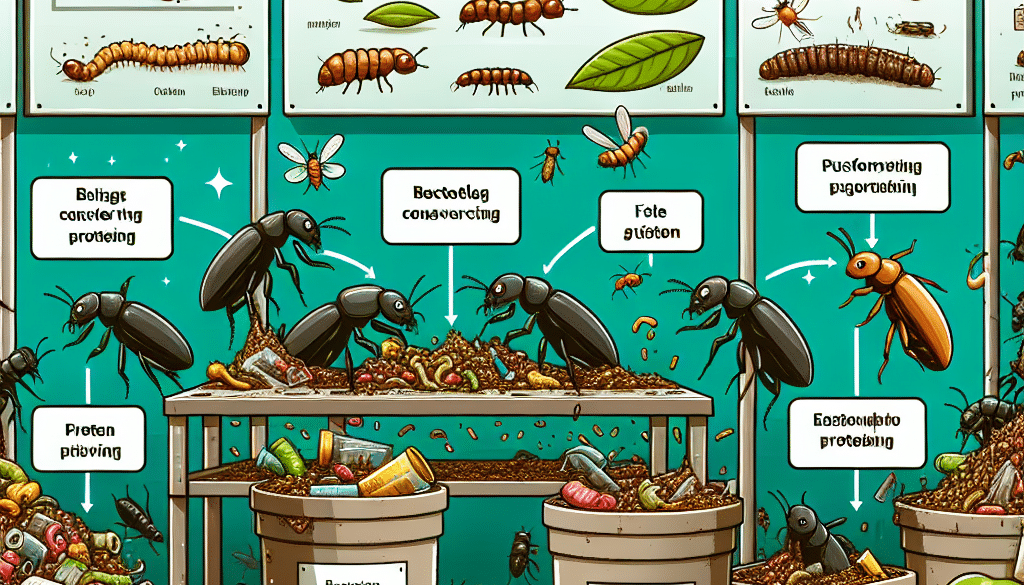
Insects have a remarkable ability to convert low-value organic waste into high-value protein. This process involves several steps:
- Waste Collection: Organic waste from agriculture, food processing, or households is collected and prepared as feed for insects.
- Insect Rearing: Selected insect species, such as black soldier fly larvae or mealworms, are raised on the waste material.
- Harvesting: Once the insects reach the desired size, they are harvested for processing.
- Processing: Insects are then processed into various forms, such as whole dried insects, insect meal, or extracted protein.
Environmental and Nutritional Benefits
Insects offer numerous environmental and nutritional advantages over traditional livestock:
- Reduced Environmental Footprint: Insect farming has a lower carbon footprint, uses less water, and requires less land.
- High-Quality Protein: Insects are rich in protein, with a profile comparable to that of meat and fish.
- Rich in Other Nutrients: They also contain essential fatty acids, vitamins, and minerals.
- Biodiversity Preservation: By reducing the need for conventional livestock, insect farming can help preserve biodiversity.
Case Studies and Success Stories
Several companies and initiatives around the world are demonstrating the viability of insect-based protein:
- AgriProtein: This company is a leader in the insect protein industry, using black soldier fly larvae to convert organic waste into animal feed.
- Ynsect: A French startup that has raised significant funding to scale up its mealworm production for animal feed and fertilizers.
- Protix: Based in the Netherlands, Protix produces insect protein for animal feed, focusing on sustainability and circular economy principles.
Challenges and Considerations
Despite the benefits, there are challenges to the widespread adoption of insect protein:
- Regulatory Hurdles: In many regions, legislation regarding the use of insects in food and feed is still under development.
- Consumer Acceptance: Western consumers may be hesitant to embrace insects as a food source.
- Scaling Production: Scaling up insect farming to meet global demand is a complex challenge that requires technological innovation.
Future Prospects
The potential for insects to contribute to a more sustainable food system is immense. As technology advances and awareness grows, insect protein could become a staple in diets and industries worldwide.
Conclusion
Insects have the potential to revolutionize the way we produce protein. By converting waste into valuable nutrients, they offer a sustainable and efficient solution to the growing demand for protein. With continued research, investment, and consumer education, insects could play a crucial role in the future of food security and environmental conservation.
Discover ETChem’s Protein Products
If you’re interested in sustainable protein sources, consider exploring ETChem’s range of protein products. As a leading collagen factory manufacturer and supplier, ETChem offers high-quality collagens, including marine, fish, bovine, chicken, and various types of collagen. Their products are ideal for various industries, from nutraceuticals to food and beverage. Contact ETChem to learn more about their sustainable protein solutions.
About ETChem:
ETChem, a reputable Chinese Collagen factory manufacturer and supplier, is renowned for producing, stocking, exporting, and delivering the highest quality collagens. They include marine collagen, fish collagen, bovine collagen, chicken collagen, type I collagen, type II collagen and type III collagen etc. Their offerings, characterized by a neutral taste, instant solubility attributes, cater to a diverse range of industries. They serve nutraceutical, pharmaceutical, cosmeceutical, veterinary, as well as food and beverage finished product distributors, traders, and manufacturers across Europe, USA, Canada, Australia, Thailand, Japan, Korea, Brazil, and Chile, among others.
ETChem specialization includes exporting and delivering tailor-made collagen powder and finished collagen nutritional supplements. Their extensive product range covers sectors like Food and Beverage, Sports Nutrition, Weight Management, Dietary Supplements, Health and Wellness Products, ensuring comprehensive solutions to meet all your protein needs.
As a trusted company by leading global food and beverage brands and Fortune 500 companies, ETChem reinforces China’s reputation in the global arena. For more information or to sample their products, please contact them and email karen(at)et-chem.com today.