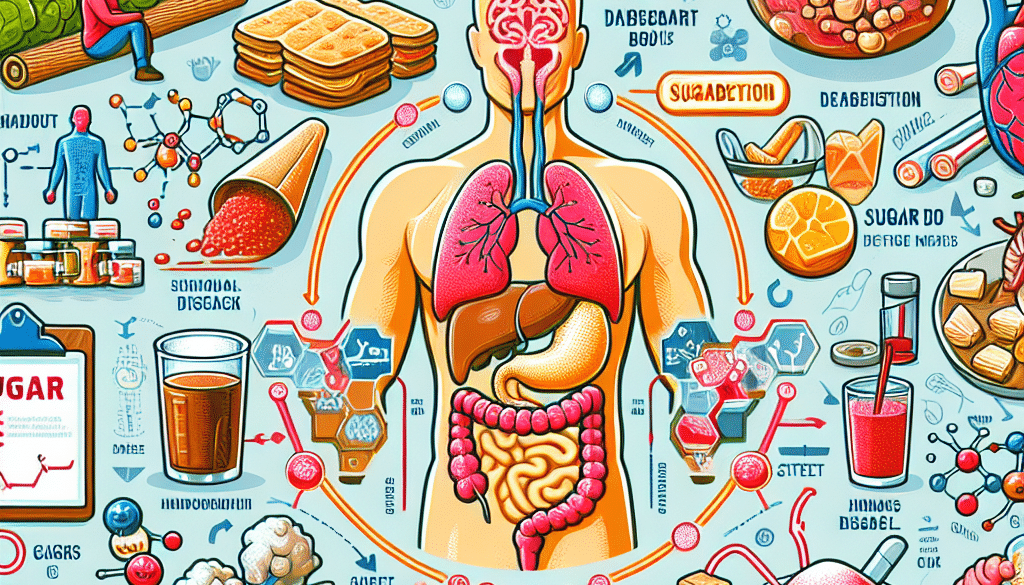
Everything You Need to Know About Sugar’s Role in Food and Health
-
Table of Contents
- Sugar’s Impact on Food and Health: A Comprehensive Guide
- The Role of Sugar in Food
- Health Implications of Sugar Consumption
- Types of Sugar and Their Effects
- Reducing Sugar Intake: Strategies and Alternatives
- Case Studies and Statistics: The Sugar Debate
- Conclusion: Balancing Sugar in Our Diets
- Enhance Your Health with ETChem’s Protein Products
Sugar’s Impact on Food and Health: A Comprehensive Guide
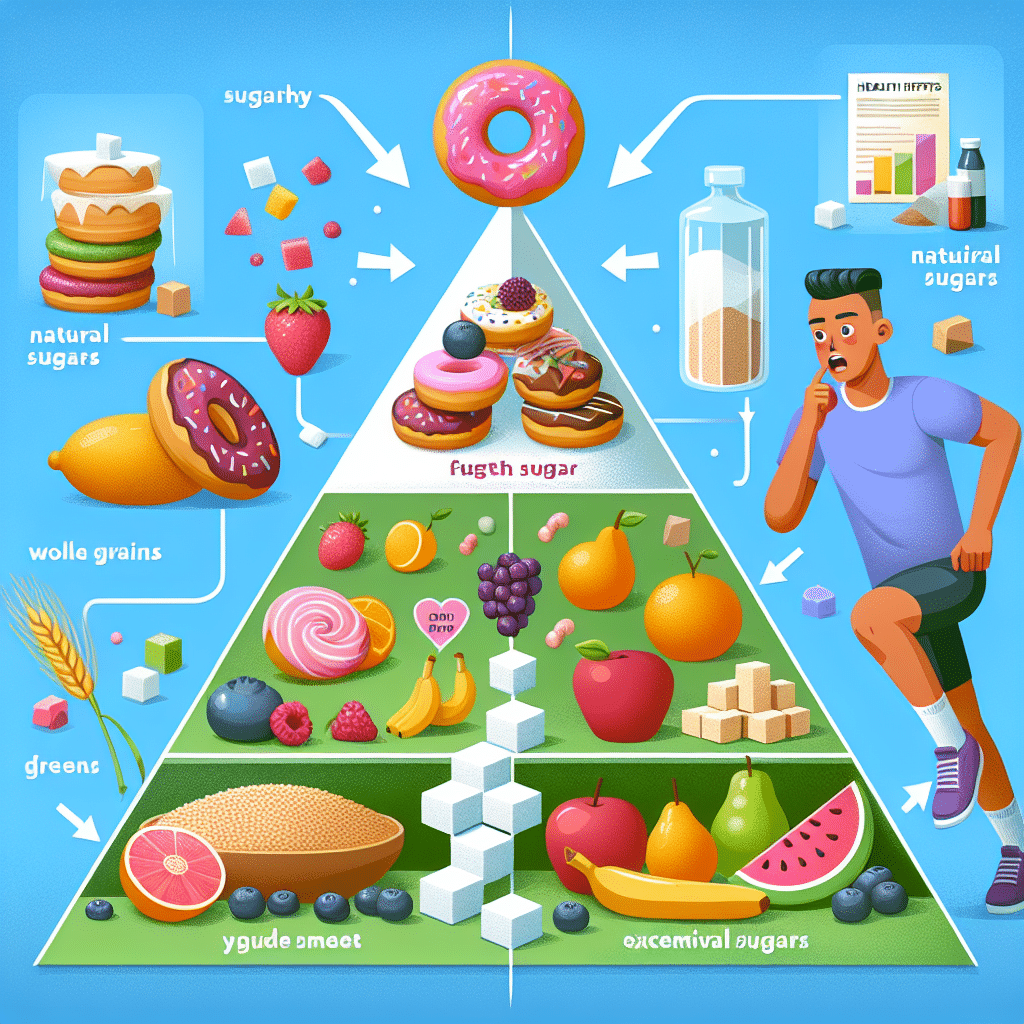
Sugar, a ubiquitous ingredient found in numerous food products, has a significant impact on both the culinary world and human health. This article delves into the multifaceted role of sugar, exploring its uses in food preparation, its effects on health, and the ongoing debates surrounding its consumption.
The Role of Sugar in Food
Sugar is not just a sweetener; it plays several critical roles in food preparation and preservation:
- Flavor Enhancer: Sugar enhances the flavor profile of foods, balancing acidity and bitterness, and bringing out the natural flavors of other ingredients.
- Preservative: In jams, jellies, and certain baked goods, sugar helps to inhibit microbial growth, extending shelf life.
- Texture Modifier: Sugar contributes to the texture of baked goods, creating tenderness and affecting the browning and crispiness of the final product.
- Fermentation Aid: In bread making and brewing, sugar is a food source for yeast, aiding in fermentation and contributing to the rise and flavor of the final product.
Despite its culinary benefits, sugar’s role in food has been scrutinized due to its health implications.
Health Implications of Sugar Consumption
Excessive sugar intake is associated with various health issues:
- Obesity: High sugar consumption can lead to weight gain and obesity, as sugary foods are often high in calories and can contribute to overeating.
- Diabetes: A diet high in sugar can increase the risk of developing type 2 diabetes by contributing to insulin resistance and impaired glucose tolerance.
- Heart Disease: Studies have linked high sugar intake to an increased risk of cardiovascular disease, due to its potential to raise triglyceride levels and blood pressure.
- Dental Health: Sugar is a primary contributor to dental caries (cavities), as it provides a food source for bacteria in the mouth that produce acid, damaging tooth enamel.
Given these concerns, health organizations have set guidelines for sugar intake. For example, the World Health Organization recommends that added sugars should make up less than 10% of total energy intake, with a further reduction to below 5% for additional health benefits.
Types of Sugar and Their Effects
Not all sugars are created equal, and their health effects can vary:
- Glucose: A simple sugar that is a primary energy source for the body’s cells.
- Fructose: Found naturally in fruits, it is also a component of high-fructose corn syrup (HFCS), which is linked to obesity and metabolic disorders when consumed in excess.
- Sucrose: Common table sugar, composed of glucose and fructose, is often implicated in health issues related to sugar consumption.
- Lactose: The sugar found in milk, which some individuals have difficulty digesting due to lactose intolerance.
Understanding the different types of sugar can help consumers make informed dietary choices.
Reducing Sugar Intake: Strategies and Alternatives
For those looking to reduce their sugar intake, several strategies and alternatives exist:
- Reading Labels: Being aware of added sugars in food products by reading nutrition labels carefully.
- Natural Sweeteners: Using natural sweeteners like honey, maple syrup, or stevia, which may have a lower glycemic index or additional nutrients.
- Whole Foods: Focusing on a diet rich in whole foods, such as fruits, vegetables, and whole grains, which contain natural sugars along with fiber and other nutrients.
- Behavioral Changes: Gradually reducing the amount of sugar added to foods and drinks to adjust the palate to less sweetness.
While these strategies can help, it’s important to approach sugar reduction in a balanced and sustainable way.
Case Studies and Statistics: The Sugar Debate
The debate over sugar’s role in health is supported by various case studies and statistics:
- A study published in JAMA Internal Medicine found that individuals with a higher percentage of calories from added sugars had a significantly increased risk of dying from cardiovascular disease.
- According to the CDC, from 2011-2014, the average daily sugar intake for U.S. adults was 77 grams, well above the recommended limits.
- Public health campaigns, such as the UK’s “Sugar Smart” initiative, have been launched to raise awareness of sugar content in foods and encourage reduced consumption.
These examples highlight the ongoing concerns and efforts to address sugar-related health issues.
Conclusion: Balancing Sugar in Our Diets
In conclusion, sugar plays a complex role in both food preparation and human health. While it is an essential ingredient in many culinary processes, its excessive consumption is linked to serious health concerns. By understanding the types of sugar, their effects on health, and strategies for reduction, individuals can make informed choices about their diets. Moderation and education are key to balancing the sweet with the sensible.
Enhance Your Health with ETChem’s Protein Products
For those looking to improve their health and dietary habits, ETChem’s protein products offer a nutritious alternative to high-sugar foods. Their range of collagen products, including marine, fish, bovine, and chicken collagen, provides essential proteins that support overall wellness. Incorporating these high-quality protein sources into your diet can help manage weight, support muscle growth, and contribute to a balanced lifestyle. Choose ETChem for your protein needs and take a step towards a healthier, more balanced diet.
About ETChem:
ETChem, a reputable Chinese Collagen factory manufacturer and supplier, is renowned for producing, stocking, exporting, and delivering the highest quality collagens. They include marine collagen, fish collagen, bovine collagen, chicken collagen, type I collagen, type II collagen and type III collagen etc. Their offerings, characterized by a neutral taste, instant solubility attributes, cater to a diverse range of industries. They serve nutraceutical, pharmaceutical, cosmeceutical, veterinary, as well as food and beverage finished product distributors, traders, and manufacturers across Europe, USA, Canada, Australia, Thailand, Japan, Korea, Brazil, and Chile, among others.
ETChem specialization includes exporting and delivering tailor-made collagen powder and finished collagen nutritional supplements. Their extensive product range covers sectors like Food and Beverage, Sports Nutrition, Weight Management, Dietary Supplements, Health and Wellness Products, ensuring comprehensive solutions to meet all your protein needs.
As a trusted company by leading global food and beverage brands and Fortune 500 companies, ETChem reinforces China’s reputation in the global arena. For more information or to sample their products, please contact them and email karen(at)et-chem.com today.