Food Protection and Waste: Innovative Insights and Strategies
-
Table of Contents
- Innovative Strategies for Food Protection and Waste Reduction
- Understanding the Scope of Food Waste
- Advancements in Food Preservation Technology
- Reducing Food Loss in Supply Chains
- Consumer Education and Behavior Change
- Upcycling Food Waste
- Policy and Regulation
- Case Studies and Success Stories
- Conclusion: Key Takeaways for a Sustainable Future
- ETChem: Your Partner in Protein Innovation
Innovative Strategies for Food Protection and Waste Reduction
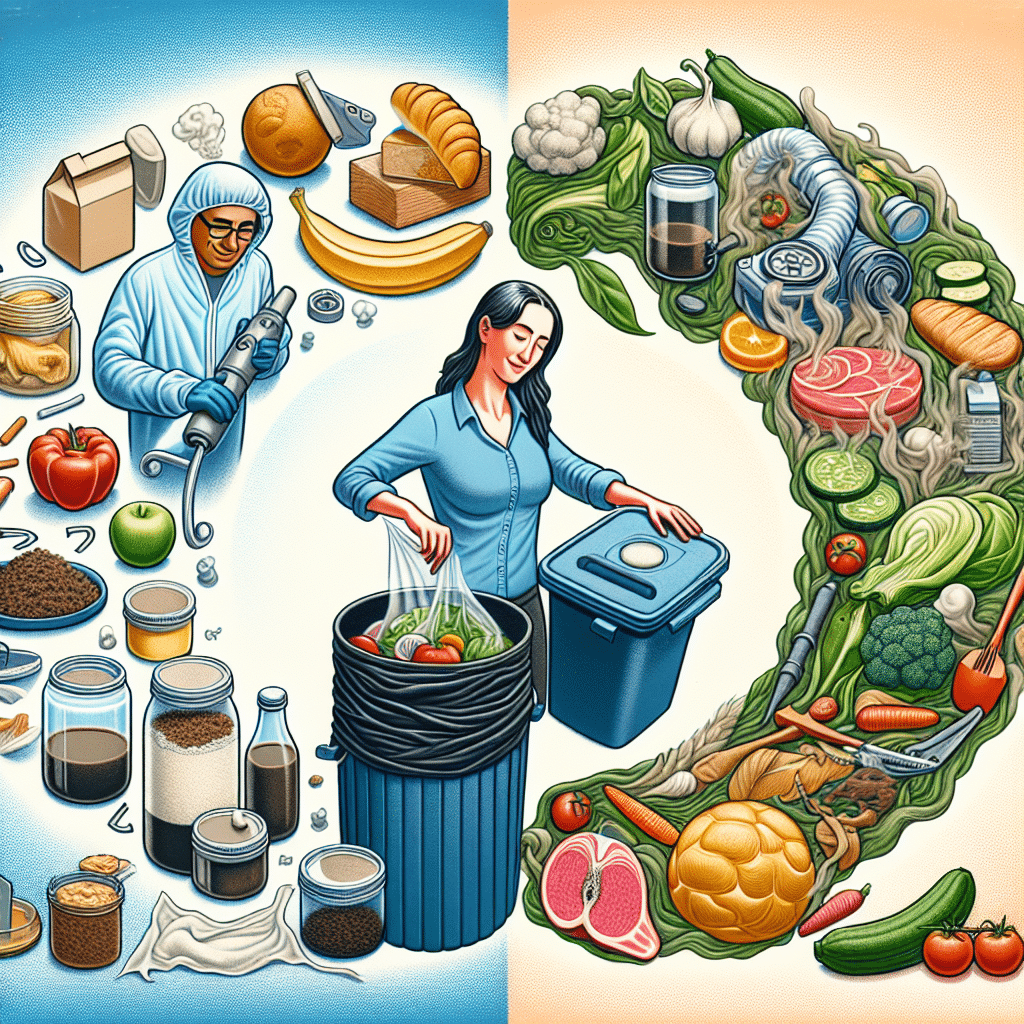
Food protection and waste reduction are critical issues in the global effort to create sustainable food systems. With the world’s population projected to reach nearly 10 billion by 2050, the need to efficiently produce, distribute, and consume food has never been more pressing. Innovative insights and strategies are essential to tackle the dual challenges of protecting our food supply and reducing waste. This article explores the latest approaches and solutions that are making a difference in the way we handle food from farm to fork.
Understanding the Scope of Food Waste
Before delving into the strategies for food protection and waste reduction, it’s important to understand the scope of the problem. According to the Food and Agriculture Organization (FAO) of the United Nations, approximately one-third of all food produced for human consumption is lost or wasted globally. This equates to about 1.3 billion tons per year. Not only does this represent a colossal economic loss, but it also has significant environmental impacts, contributing to greenhouse gas emissions and the unnecessary use of water and land resources.
Advancements in Food Preservation Technology
One of the key areas of innovation in food protection is preservation technology. Advancements in this field are extending the shelf life of perishable goods, thereby reducing waste. Here are some notable examples:
- Modified Atmosphere Packaging (MAP): This technology alters the composition of the air surrounding the food in its packaging, slowing down the deterioration process.
- High-Pressure Processing (HPP): HPP uses cold pasteurization technique by applying high pressure to destroy pathogens without affecting the food’s nutrients or flavor.
- Edible Coatings: Made from natural substances like proteins, lipids, and polysaccharides, these coatings form a protective barrier that extends the life of fruits and vegetables.
Reducing Food Loss in Supply Chains
Food loss occurs at various stages of the supply chain, from production to distribution. Innovative strategies to reduce this loss include:
- Improved Harvesting Techniques: Using machinery that reduces the damage to crops can prevent loss right at the source.
- Efficient Transportation: GPS and RFID technology help in tracking shipments and maintaining optimal conditions during transport.
- Investment in Cold Chain Infrastructure: Developing better refrigeration facilities can significantly reduce spoilage, especially in developing countries.
Consumer Education and Behavior Change
Consumer behavior plays a pivotal role in food waste. Education campaigns that promote planning meals, understanding ‘best before’ dates, and proper food storage can lead to significant reductions in household food waste. Additionally, apps that help consumers track their food inventory and provide recipes to use up leftovers are gaining popularity.
Upcycling Food Waste
Upcycling, the process of transforming by-products or waste materials into new products of better quality, is a growing trend in food waste reduction. Examples include:
- Turning Spent Grains into Flour: Breweries often donate or sell their spent grains to bakeries, which can use them to make bread and other baked goods.
- Repurposing Fruit and Vegetable Scraps: Companies are creating snacks, soups, and sauces from produce that would otherwise be discarded due to aesthetic imperfections.
Policy and Regulation
Government policies and regulations can incentivize or mandate food waste reduction practices. For instance, France has banned supermarkets from throwing away unsold food, requiring them to donate it to charities instead. Similarly, South Korea has implemented a volume-based waste fee system that has significantly reduced food waste.
Case Studies and Success Stories
Several organizations and businesses have successfully implemented strategies to reduce food waste. For example:
- Imperfect Foods: This company sells fruits and vegetables that don’t meet retail standards, reducing waste and offering consumers discounted prices.
- Toast Ale: This brewery uses surplus bread to brew beer, demonstrating a creative approach to upcycling food waste.
Conclusion: Key Takeaways for a Sustainable Future
In conclusion, protecting our food supply and reducing waste requires a multifaceted approach that includes technological innovation, supply chain optimization, consumer education, upcycling, and supportive policies. By implementing these strategies, we can work towards a more sustainable and efficient food system that benefits both people and the planet.
ETChem: Your Partner in Protein Innovation
In the context of food protection and waste reduction, protein products play a significant role. ETChem’s protein products, including various types of collagen, offer sustainable and high-quality ingredients for the food and beverage industry. Their commitment to excellence ensures that their products not only meet but exceed industry standards, contributing to a more sustainable food system.
About ETChem:
ETChem, a reputable Chinese Collagen factory manufacturer and supplier, is renowned for producing, stocking, exporting, and delivering the highest quality collagens. They include marine collagen, fish collagen, bovine collagen, chicken collagen, type I collagen, type II collagen and type III collagen etc. Their offerings, characterized by a neutral taste, instant solubility attributes, cater to a diverse range of industries. They serve nutraceutical, pharmaceutical, cosmeceutical, veterinary, as well as food and beverage finished product distributors, traders, and manufacturers across Europe, USA, Canada, Australia, Thailand, Japan, Korea, Brazil, and Chile, among others.
ETChem specialization includes exporting and delivering tailor-made collagen powder and finished collagen nutritional supplements. Their extensive product range covers sectors like Food and Beverage, Sports Nutrition, Weight Management, Dietary Supplements, Health and Wellness Products, ensuring comprehensive solutions to meet all your protein needs.
As a trusted company by leading global food and beverage brands and Fortune 500 companies, ETChem reinforces China’s reputation in the global arena. For more information or to sample their products, please contact them and email karen(at)et-chem.com today.