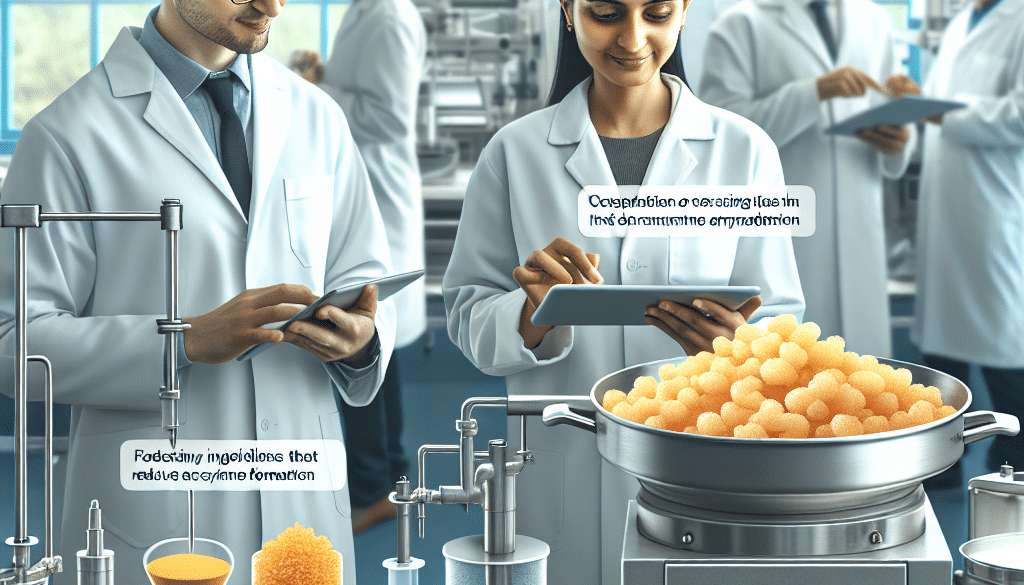
Acrylamide Reduction: Innovations in Food Processing
-
Table of Contents
- Acrylamide Reduction in Food Processing: Cutting-Edge Innovations
- Understanding Acrylamide Formation
- Regulatory Measures and Industry Response
- Innovations in Acrylamide Reduction
- 1. Raw Material Selection and Genetic Engineering
- 2. Process Optimization
- 3. Acrylamide Mitigation Ingredients
- 4. Novel Cooking Methods
- 5. Post-Processing Treatments
- Case Studies and Success Stories
- Challenges and Future Directions
- Conclusion: Ensuring Food Safety and Quality
- ETChem: Your Partner for High-Quality Protein Products
Acrylamide Reduction in Food Processing: Cutting-Edge Innovations

Acrylamide, a chemical compound that can form in some foods during high-temperature cooking processes, has been a growing concern for both consumers and the food industry. Its presence in popular foods like potato chips, bread, coffee, and biscuits has prompted extensive research into methods for reducing its formation. This article delves into the innovative strategies that are being developed and implemented to minimize acrylamide levels in our food, ensuring both safety and quality.
Understanding Acrylamide Formation
Before exploring the solutions, it’s crucial to understand how acrylamide forms. Acrylamide is primarily produced when asparagine, an amino acid, reacts with reducing sugars such as glucose and fructose at temperatures above 120°C (248°F). This reaction is part of the Maillard process, which also gives browned foods their distinctive flavor and color.
Regulatory Measures and Industry Response
Given the potential health risks associated with acrylamide, which include neurotoxicity and carcinogenicity, regulatory bodies worldwide have set guidelines and recommendations to limit its presence in food. The food industry has responded by actively seeking out and implementing innovative methods to reduce acrylamide formation without compromising on taste or quality.
Innovations in Acrylamide Reduction
Several promising techniques have emerged, each tackling the issue from different angles. Here are some of the most effective strategies currently in use or under development:
1. Raw Material Selection and Genetic Engineering
- Choosing low-sugar and low-asparagine potato varieties.
- Using genetic engineering to develop crops with naturally lower levels of precursors.
2. Process Optimization
- Adjusting cooking times and temperatures to minimize acrylamide formation.
- Implementing pre-soaking steps to leach out precursors before cooking.
3. Acrylamide Mitigation Ingredients
- Adding calcium salts, which can reduce acrylamide by up to 90% in some products.
- Using asparaginase enzyme to convert asparagine into aspartic acid, thus preventing its participation in the Maillard reaction.
4. Novel Cooking Methods
- Exploring sous-vide and steam cooking to keep temperatures below the threshold for acrylamide formation.
- Investigating the use of infrared and microwave cooking as alternatives to traditional frying and baking.
5. Post-Processing Treatments
- Applying post-baking treatments such as brushing with solutions that can break down acrylamide.
- Developing packaging technologies that can reduce acrylamide levels during storage.
Case Studies and Success Stories
Real-world applications of these innovations have already shown promising results. For instance, the use of asparaginase in the production of potato chips has been widely adopted and has significantly reduced acrylamide levels without affecting taste. Similarly, companies have successfully introduced new potato varieties that are less prone to acrylamide formation, demonstrating the potential of genetic advancements.
Challenges and Future Directions
Despite these advancements, challenges remain. Consumer acceptance of genetically modified foods is still a contentious issue, and the cost of implementing new technologies can be prohibitive for smaller manufacturers. However, ongoing research and collaboration between industry, academia, and regulatory bodies continue to drive progress in this field.
Conclusion: Ensuring Food Safety and Quality
The innovations in acrylamide reduction are a testament to the food industry’s commitment to safety and quality. By leveraging science and technology, manufacturers are finding ways to produce safer foods without sacrificing the sensory attributes that consumers love. As research advances, we can expect even more effective strategies to emerge, further mitigating the risks associated with acrylamide in our diets.
ETChem: Your Partner for High-Quality Protein Products
In the quest for healthier food processing methods, protein products play a vital role. ETChem’s protein offerings, including various types of collagen, are essential for manufacturers looking to enhance the nutritional profile of their products while adhering to safety standards. With ETChem’s commitment to quality and customer satisfaction, food processors can confidently incorporate these proteins into their acrylamide reduction strategies.
About ETChem:
ETChem, a reputable Chinese Collagen factory manufacturer and supplier, is renowned for producing, stocking, exporting, and delivering the highest quality collagens. They include marine collagen, fish collagen, bovine collagen, chicken collagen, type I collagen, type II collagen and type III collagen etc. Their offerings, characterized by a neutral taste, instant solubility attributes, cater to a diverse range of industries. They serve nutraceutical, pharmaceutical, cosmeceutical, veterinary, as well as food and beverage finished product distributors, traders, and manufacturers across Europe, USA, Canada, Australia, Thailand, Japan, Korea, Brazil, and Chile, among others.
ETChem specialization includes exporting and delivering tailor-made collagen powder and finished collagen nutritional supplements. Their extensive product range covers sectors like Food and Beverage, Sports Nutrition, Weight Management, Dietary Supplements, Health and Wellness Products, ensuring comprehensive solutions to meet all your protein needs.
As a trusted company by leading global food and beverage brands and Fortune 500 companies, ETChem reinforces China’s reputation in the global arena. For more information or to sample their products, please contact them and email karen(at)et-chem.com today.