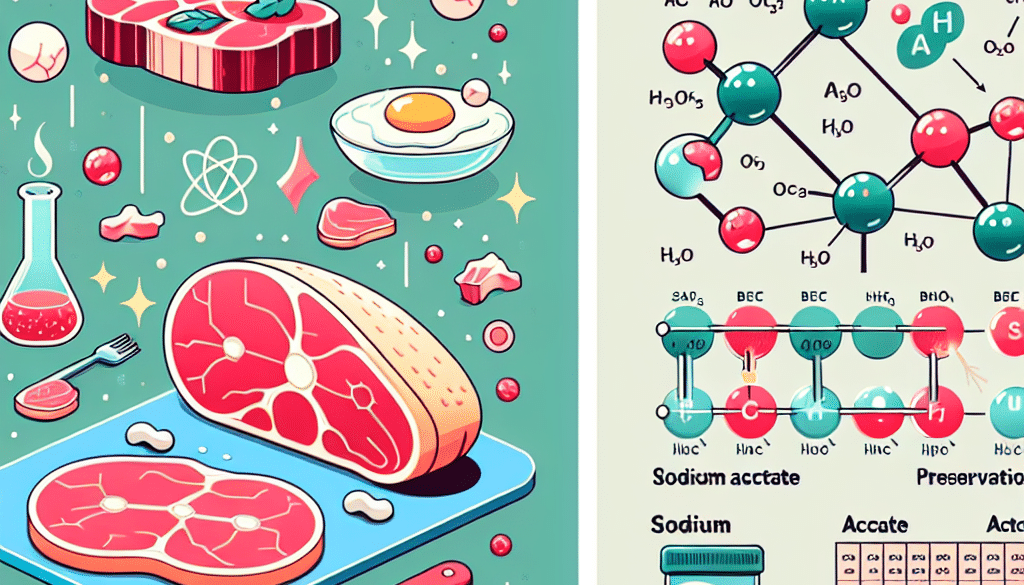
Food Safety and Sodium: The Role of Acetates in Meat Preservation
-
Table of Contents
- Food Safety and Sodium: Understanding Acetates in Meat Preservation
- The Importance of Meat Preservation
- Understanding Sodium Acetates
- How Sodium Acetates Enhance Food Safety
- Application in Meat Products
- Case Studies and Statistics
- Regulatory Considerations
- Consumer Perceptions and Trends
- Conclusion: The Role of Sodium Acetates in Ensuring Safe, High-Quality Meat Products
- Discover ETChem’s Protein Products for Enhanced Food Safety
Food Safety and Sodium: Understanding Acetates in Meat Preservation
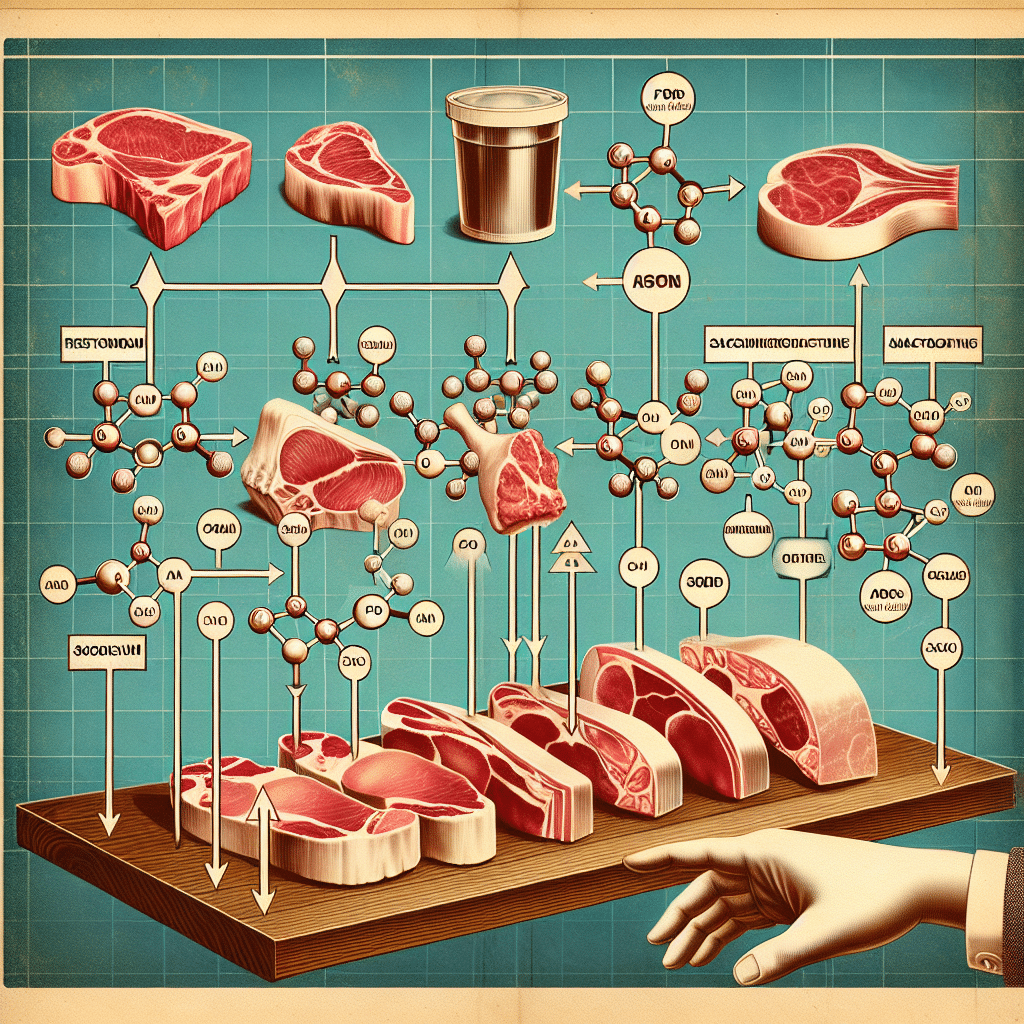
Food safety is a paramount concern in the food industry, and preserving meat products to ensure they remain safe and palatable for consumption is a critical aspect of this field. Sodium acetates play a significant role in meat preservation, offering both antimicrobial properties and flavor enhancement. This article delves into the science behind sodium acetates, their application in meat preservation, and the benefits they bring to food safety.
The Importance of Meat Preservation
Meat preservation is essential for extending the shelf life of meat products, preventing spoilage, and inhibiting the growth of pathogenic microorganisms. Various methods have been used throughout history, from traditional techniques like smoking and salting to modern approaches involving chemical preservatives and refrigeration.
Understanding Sodium Acetates
Sodium acetates are a type of salt derived from acetic acid, commonly known as vinegar. They are used in the food industry as a preservative due to their ability to inhibit bacterial growth. Sodium acetates come in several forms, including sodium diacetate, a compound of sodium acetate and acetic acid, which is particularly effective in meat preservation.
How Sodium Acetates Enhance Food Safety
Sodium acetates contribute to food safety in several ways:
- Antimicrobial Properties: They inhibit the growth of bacteria such as Listeria monocytogenes, which can cause serious foodborne illnesses.
- pH Reduction: By lowering the pH of meat products, sodium acetates create an environment less conducive to microbial growth.
- Flavor Preservation: While ensuring safety, they also help maintain the desired taste and aroma of preserved meats.
Application in Meat Products
Sodium acetates are used in a variety of meat products, including:
- Processed meats like sausages and hot dogs
- Ready-to-eat meals containing meat
- Cured meats such as ham and bacon
- Marinated and brined meats
These compounds are often used in conjunction with other preservation methods, such as refrigeration and vacuum packaging, to enhance their effectiveness.
Case Studies and Statistics
Several studies have demonstrated the efficacy of sodium acetates in meat preservation. For instance, research has shown a significant reduction in Listeria monocytogenes in ready-to-eat meats treated with sodium diacetate. Additionally, industry statistics indicate that the use of sodium acetates can extend the shelf life of meat products by several days to weeks, depending on the product and storage conditions.
Regulatory Considerations
The use of sodium acetates in food preservation is subject to regulation by food safety authorities such as the U.S. Food and Drug Administration (FDA) and the European Food Safety Authority (EFSA). These agencies set limits on the allowable concentrations of sodium acetates in meat products to ensure consumer safety.
Consumer Perceptions and Trends
Consumer demand for natural and clean-label products has influenced the meat industry’s approach to preservation. While sodium acetates are considered safe, there is a growing preference for preservatives derived from natural sources. The industry is responding by exploring natural alternatives that offer similar benefits to sodium acetates.
Conclusion: The Role of Sodium Acetates in Ensuring Safe, High-Quality Meat Products
In conclusion, sodium acetates play a crucial role in meat preservation, enhancing food safety and extending shelf life while maintaining the quality of meat products. Their antimicrobial properties and ability to preserve flavor make them a valuable tool in the food industry’s arsenal against foodborne illnesses. As consumer preferences evolve, the industry continues to innovate, seeking new preservation methods that align with the demand for natural and clean-label products.
Discover ETChem’s Protein Products for Enhanced Food Safety
ETChem is committed to providing high-quality protein products that support food safety and quality. Their range of collagen products, including marine, fish, bovine, and chicken collagen, offers food manufacturers versatile options for enhancing the nutritional profile and safety of their meat products. ETChem’s collagens are characterized by their neutral taste and instant solubility, making them an excellent choice for a variety of applications in the food and beverage industry.
About ETChem:
ETChem, a reputable Chinese Collagen factory manufacturer and supplier, is renowned for producing, stocking, exporting, and delivering the highest quality collagens. They include marine collagen, fish collagen, bovine collagen, chicken collagen, type I collagen, type II collagen and type III collagen etc. Their offerings, characterized by a neutral taste, instant solubility attributes, cater to a diverse range of industries. They serve nutraceutical, pharmaceutical, cosmeceutical, veterinary, as well as food and beverage finished product distributors, traders, and manufacturers across Europe, USA, Canada, Australia, Thailand, Japan, Korea, Brazil, and Chile, among others.
ETChem specialization includes exporting and delivering tailor-made collagen powder and finished collagen nutritional supplements. Their extensive product range covers sectors like Food and Beverage, Sports Nutrition, Weight Management, Dietary Supplements, Health and Wellness Products, ensuring comprehensive solutions to meet all your protein needs.
As a trusted company by leading global food and beverage brands and Fortune 500 companies, ETChem reinforces China’s reputation in the global arena. For more information or to sample their products, please contact them and email karen(at)et-chem.com today.