Does milk thistle help with infection?
-
Table of Contents
- Milk Thistle and Infection: Examining the Healing Potential
- Understanding Milk Thistle and Its Components
- The Immunomodulatory Effects of Milk Thistle
- Antimicrobial Properties of Milk Thistle
- Case Studies and Clinical Trials
- Limitations and Considerations
- Conclusion: Weighing the Evidence on Milk Thistle and Infections
- Discover ETChem’s Protein Products
Milk Thistle and Infection: Examining the Healing Potential
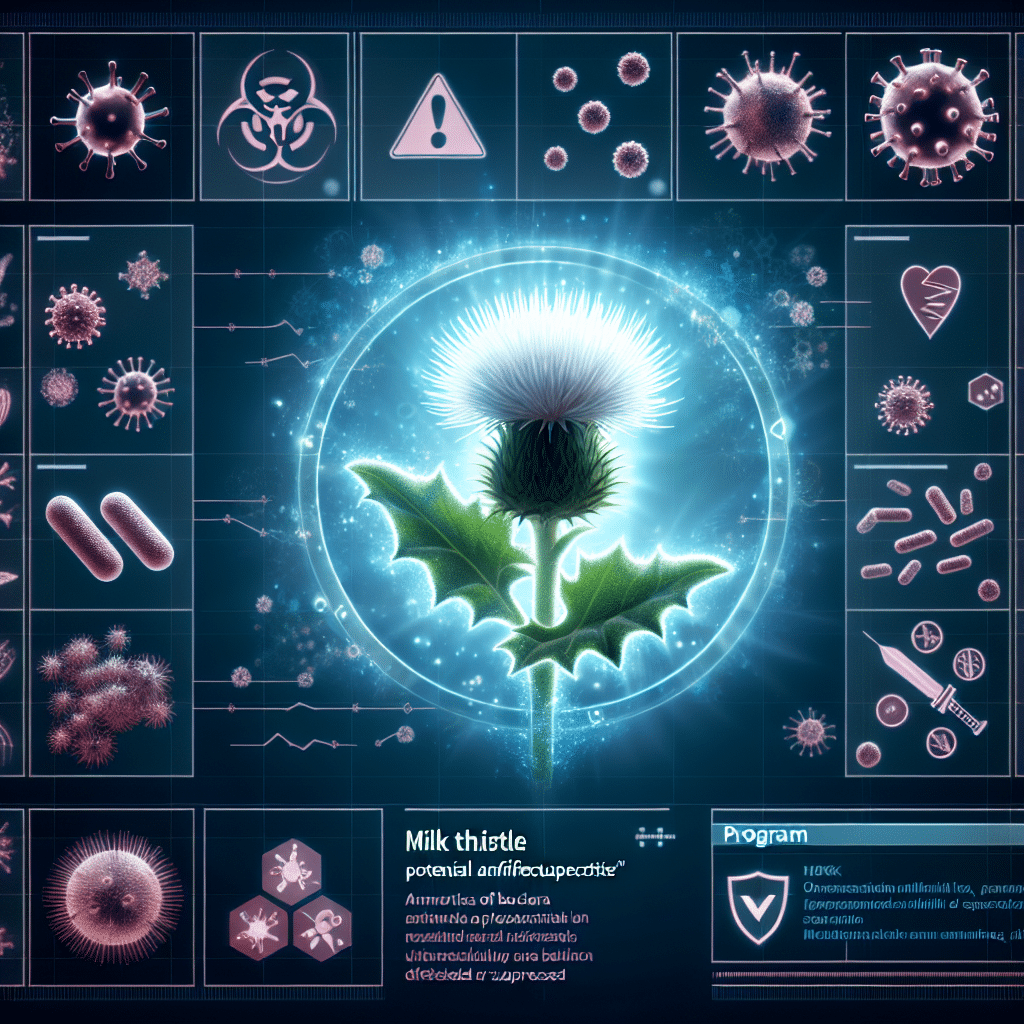
Milk thistle, a plant with a distinctive purple flower and white-veined leaves, has been used for centuries as a natural remedy for various ailments. Its primary active ingredient, silymarin, is a complex of flavonolignans that has been extensively studied for its potential health benefits. One of the areas of interest is whether milk thistle can help with infections. This article delves into the scientific evidence to explore the role of milk thistle in infection management and prevention.
Understanding Milk Thistle and Its Components
Milk thistle (Silybum marianum) is a medicinal plant that has been used traditionally for liver disorders. The seeds contain silymarin, which is a mixture of flavonolignans including silybin, silydianin, and silychristin. Silymarin is believed to have antioxidant, anti-inflammatory, and immunomodulatory properties, which may contribute to its potential effects on infections.
The Immunomodulatory Effects of Milk Thistle
One of the key aspects of milk thistle’s potential in fighting infections is its ability to modulate the immune system. Research suggests that silymarin can influence both innate and adaptive immune responses, which are crucial for the body’s defense against pathogens.
- Innate Immunity: Milk thistle may enhance the body’s first line of defense by stimulating the activity of macrophages, natural killer cells, and other immune cells that respond quickly to infections.
- Adaptive Immunity: It may also affect the adaptive immune system by influencing the proliferation and activation of lymphocytes, including T cells and B cells, which have a more targeted response to specific pathogens.
Antimicrobial Properties of Milk Thistle
Several studies have investigated the direct antimicrobial effects of milk thistle against various pathogens. While the evidence is not conclusive, some findings suggest that silymarin and its constituents may inhibit the growth of bacteria, viruses, and fungi.
- Antibacterial Activity: Research has shown that milk thistle can have an inhibitory effect on certain strains of bacteria, including those that are resistant to antibiotics.
- Antiviral Activity: There is evidence that milk thistle may interfere with the replication of certain viruses, potentially offering a complementary approach to antiviral therapy.
- Antifungal Activity: Silymarin has also demonstrated antifungal properties in some studies, suggesting it could help in the management of fungal infections.
Case Studies and Clinical Trials
While laboratory studies provide insights into the potential antimicrobial effects of milk thistle, clinical trials and case studies offer a more practical perspective on its efficacy in human infections.
For instance, a clinical trial examining the use of silymarin in patients with hepatitis C showed improvements in liver enzymes and overall liver function. Although this does not directly prove an antiviral effect, it suggests that milk thistle may support the body’s response to viral infections.
Another study focused on the use of milk thistle as an adjunct therapy in patients with HIV. The results indicated that silymarin might help reduce the toxicity of antiretroviral drugs and improve liver health in these patients.
Limitations and Considerations
Despite promising findings, there are limitations to the current research on milk thistle and infections. Many studies are preliminary, and there is a need for more rigorous clinical trials to establish clear evidence of its efficacy. Additionally, the quality and composition of milk thistle supplements can vary, which may affect the outcomes of studies and real-world use.
Conclusion: Weighing the Evidence on Milk Thistle and Infections
In conclusion, while there is some evidence to suggest that milk thistle may help with infections through its immunomodulatory and antimicrobial properties, more research is needed to fully understand its potential and to establish standardized dosing and treatment protocols. As with any supplement, it is important to consult with a healthcare provider before using milk thistle, especially for individuals with existing health conditions or those taking other medications.
Discover ETChem’s Protein Products
If you’re looking for high-quality protein products to complement your health regimen, consider exploring ETChem’s offerings. Their range of collagen products, including marine, fish, bovine, chicken, and various types of collagen, are designed to meet diverse needs in the nutraceutical, pharmaceutical, cosmeceutical, and food and beverage industries.
About ETChem:
ETChem, a reputable Chinese Collagen factory manufacturer and supplier, is renowned for producing, stocking, exporting, and delivering the highest quality collagens. They include marine collagen, fish collagen, bovine collagen, chicken collagen, type I collagen, type II collagen and type III collagen etc. Their offerings, characterized by a neutral taste, instant solubility attributes, cater to a diverse range of industries. They serve nutraceutical, pharmaceutical, cosmeceutical, veterinary, as well as food and beverage finished product distributors, traders, and manufacturers across Europe, USA, Canada, Australia, Thailand, Japan, Korea, Brazil, and Chile, among others.
ETChem specialization includes exporting and delivering tailor-made collagen powder and finished collagen nutritional supplements. Their extensive product range covers sectors like Food and Beverage, Sports Nutrition, Weight Management, Dietary Supplements, Health and Wellness Products, ensuring comprehensive solutions to meet all your protein needs.
As a trusted company by leading global food and beverage brands and Fortune 500 companies, ETChem reinforces China’s reputation in the global arena. For more information or to sample their products, please contact them and email karen(at)et-chem.com today.