Liposomal Apigenin vs Apigenin: Which Is Better?
-
Table of Contents
- Liposomal Apigenin vs. Apigenin: Exploring the Superior Option
- Understanding Apigenin
- The Emergence of Liposomal Apigenin
- Comparing Liposomal Apigenin and Non-Liposomal Apigenin
- Bioavailability and Absorption
- Efficacy and Therapeutic Outcomes
- Safety and Side Effects
- Cost and Accessibility
- Case Studies and Research
- Conclusion: Making an Informed Choice
- Discover ETchem’s Protein Products
Liposomal Apigenin vs. Apigenin: Exploring the Superior Option
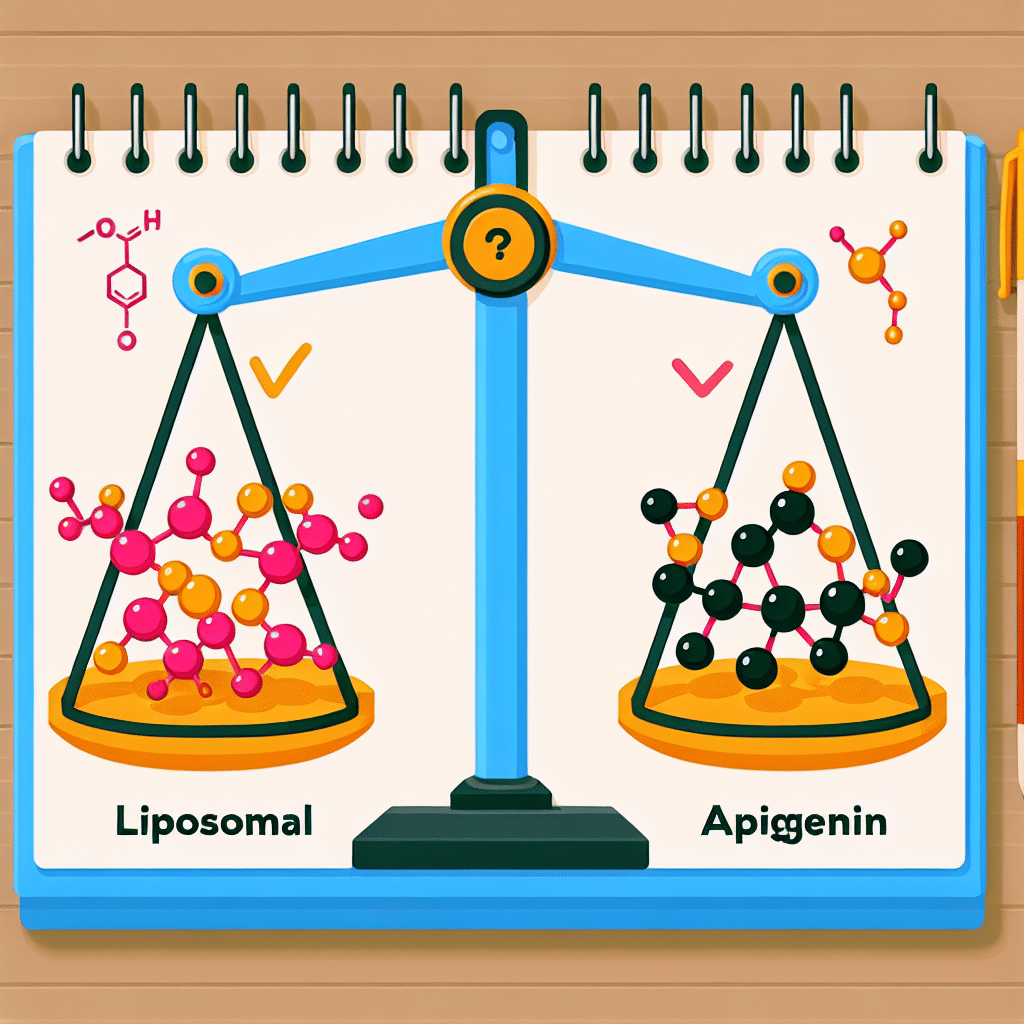
Apigenin, a natural flavonoid found in many plants, has garnered attention for its potential health benefits, including anti-inflammatory, antioxidant, and anticancer properties. With the advent of liposomal technology, the bioavailability of apigenin has been enhanced, leading to a debate on the efficacy of liposomal apigenin versus its non-liposomal counterpart. This article delves into the science behind both forms to determine which is better for health and wellness.
Understanding Apigenin
Apigenin is a bioactive compound that occurs naturally in a variety of plant sources such as chamomile, parsley, celery, and other fruits and vegetables. It has been studied extensively for its potential therapeutic effects, which include:
- Anti-inflammatory activity
- Antioxidant properties
- Anticancer effects
- Neuroprotective benefits
- Anxiolytic and antidepressant effects
Despite its promising benefits, the use of apigenin is limited by its poor solubility in water and low bioavailability when ingested. This means that when apigenin is consumed in its natural form, only a small fraction is absorbed into the bloodstream, reducing its effectiveness.
The Emergence of Liposomal Apigenin
To overcome the challenges associated with the bioavailability of apigenin, scientists have developed a liposomal form of the compound. Liposomes are tiny spherical vesicles that can encapsulate active ingredients, protecting them from degradation and enhancing their absorption in the body. Liposomal apigenin offers several advantages:
- Improved solubility and stability
- Enhanced absorption and bioavailability
- Targeted delivery to cells and tissues
- Reduced side effects and toxicity
Liposomal technology has been a game-changer in the field of nutraceuticals and pharmaceuticals, allowing for the delivery of compounds like apigenin in a more efficient and effective manner.
Comparing Liposomal Apigenin and Non-Liposomal Apigenin
When comparing liposomal apigenin to its non-liposomal counterpart, several factors must be considered to determine which is better:
Bioavailability and Absorption
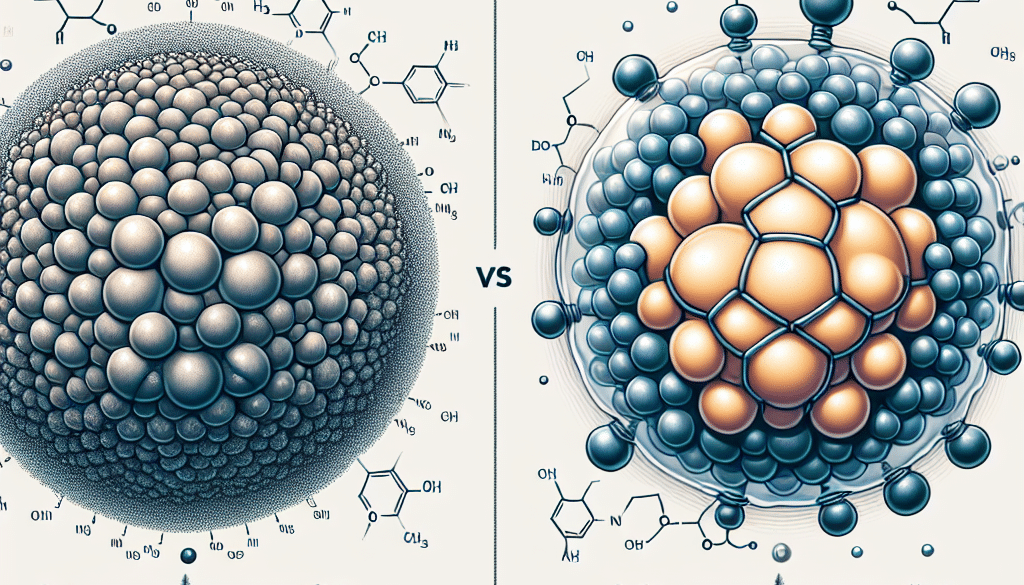
One of the primary advantages of liposomal apigenin is its enhanced bioavailability. Studies have shown that liposomal encapsulation can significantly increase the absorption of apigenin in the body, leading to higher plasma concentrations and greater therapeutic potential.
Efficacy and Therapeutic Outcomes
The increased bioavailability of liposomal apigenin translates to improved efficacy. Research indicates that liposomal apigenin may exert stronger anticancer effects, better anti-inflammatory responses, and more potent antioxidant activity compared to non-liposomal apigenin.
Safety and Side Effects
Liposomal delivery systems have been found to reduce the potential side effects of certain compounds by allowing for lower dosages and targeted delivery. This could mean that liposomal apigenin is safer for long-term use and may cause fewer adverse reactions.
Cost and Accessibility
While liposomal apigenin may offer superior benefits, it is also typically more expensive to produce than non-liposomal forms. This cost difference may affect accessibility for some consumers, making non-liposomal apigenin a more viable option for those on a budget.
Case Studies and Research
Several studies have highlighted the benefits of liposomal apigenin over its non-liposomal form. For instance, a study published in the “Journal of Nutritional Biochemistry” demonstrated that liposomal apigenin had a greater inhibitory effect on tumor growth in mice compared to non-liposomal apigenin. Additionally, research in “Pharmaceutical Research” found that liposomal encapsulation improved the neuroprotective effects of apigenin in a model of ischemic stroke.
Conclusion: Making an Informed Choice
In conclusion, while both liposomal apigenin and non-liposomal apigenin offer health benefits, the liposomal form appears to be superior in terms of bioavailability, efficacy, and safety. However, the choice between the two may ultimately depend on individual needs, preferences, and financial considerations. It is important for consumers to weigh the pros and cons and consult with healthcare professionals when deciding which form of apigenin to incorporate into their health regimen.
Discover ETchem’s Protein Products
For those interested in enhancing their health and wellness through high-quality protein products, ETchem offers a range of collagen-based options. Their extensive product line includes marine, fish, bovine, chicken, type I, II, and III collagens, catering to various industries and dietary preferences. ETchem’s commitment to quality and customer satisfaction makes them a top choice for protein supplements.
About ETChem:
ETChem, a reputable Chinese Collagen factory manufacturer and supplier, is renowned for producing, stocking, exporting, and delivering the highest quality collagens. They include marine collagen, fish collagen, bovine collagen, chicken collagen, type I collagen, type II collagen and type III collagen etc. Their offerings, characterized by a neutral taste, instant solubility attributes, cater to a diverse range of industries. They serve nutraceutical, pharmaceutical, cosmeceutical, veterinary, as well as food and beverage finished product distributors, traders, and manufacturers across Europe, USA, Canada, Australia, Thailand, Japan, Korea, Brazil, and Chile, among others.
ETChem specialization includes exporting and delivering tailor-made collagen powder and finished collagen nutritional supplements. Their extensive product range covers sectors like Food and Beverage, Sports Nutrition, Weight Management, Dietary Supplements, Health and Wellness Products, ensuring comprehensive solutions to meet all your protein needs.
As a trusted company by leading global food and beverage brands and Fortune 500 companies, ETChem reinforces China’s reputation in the global arena. For more information or to sample their products, please contact them and email karen(at)et-chem.com today.