Difference Between Liposomal and Reduced Glutathione
-
Table of Contents
- Liposomal vs. Reduced Glutathione: Understanding the Differences
- What is Glutathione?
- Reduced Glutathione: The Basic Form
- Liposomal Glutathione: Enhanced Delivery System
- Comparing the Benefits and Limitations
- Benefits of Reduced Glutathione
- Limitations of Reduced Glutathione
- Benefits of Liposomal Glutathione
- Limitations of Liposomal Glutathione
- Scientific Research and Case Studies
- Choosing the Right Glutathione Supplement
- Conclusion: Key Takeaways
- Explore ETchem’s Protein Products
Liposomal vs. Reduced Glutathione: Understanding the Differences
Glutathione, often referred to as the “master antioxidant,” plays a crucial role in maintaining oxidative balance and overall health. However, not all glutathione supplements are created equal. In this article, we will delve into the differences between liposomal glutathione and reduced glutathione, exploring their unique properties, benefits, and applications.
What is Glutathione?
Glutathione is a tripeptide composed of three amino acids: cysteine, glutamic acid, and glycine. It is naturally produced by the body and is present in every cell, where it performs several vital functions, including detoxification, immune system support, and the neutralization of free radicals.
Reduced Glutathione: The Basic Form
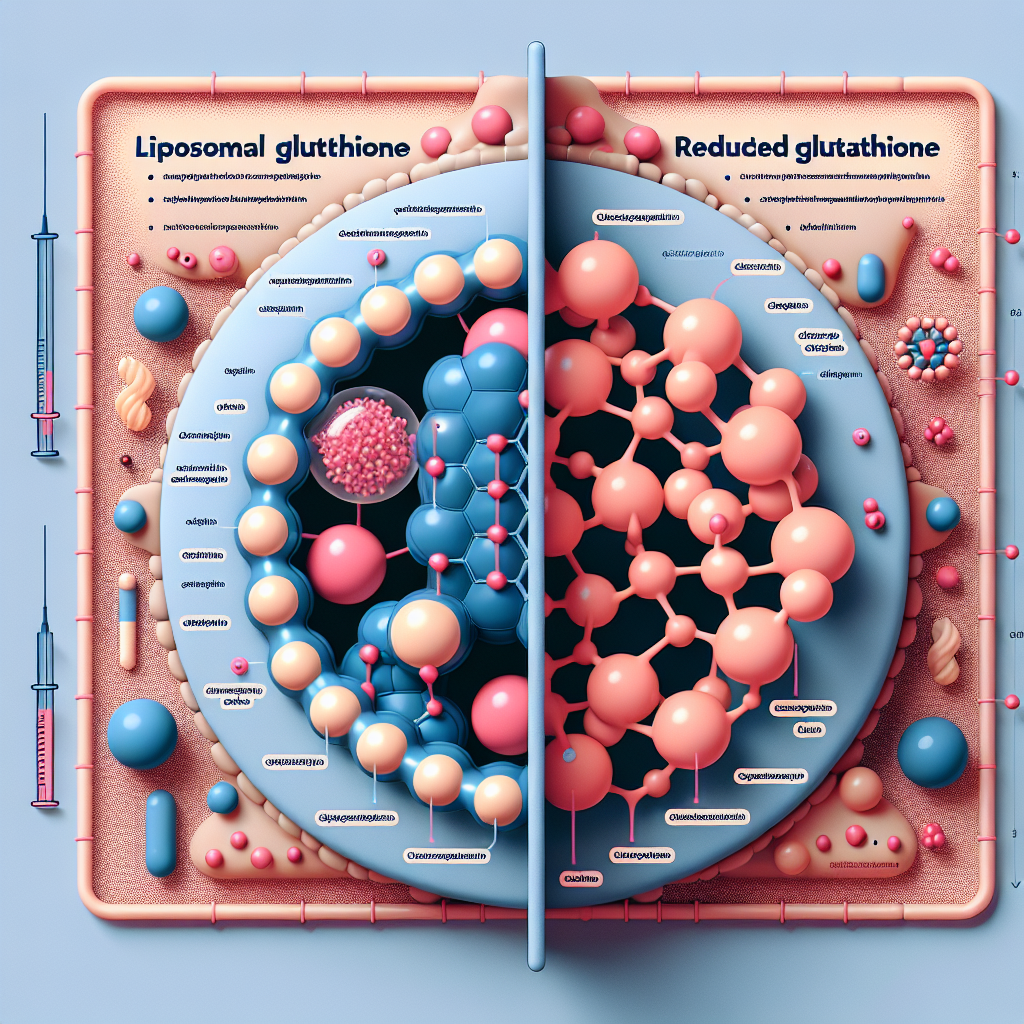
Reduced glutathione, also known as L-glutathione or GSH, is the active form of glutathione within the body. It is the form that can readily donate electrons to unstable molecules such as free radicals, thereby neutralizing them and preventing cellular damage.
- Availability: Reduced glutathione is available as a dietary supplement in various forms, including capsules, tablets, and powders.
- Stability: One of the main challenges with reduced glutathione supplements is their stability. GSH is not well absorbed in the intestine due to the action of digestive enzymes.
- Effectiveness: The effectiveness of reduced glutathione as a supplement is often questioned due to its poor bioavailability when taken orally.
Liposomal Glutathione: Enhanced Delivery System
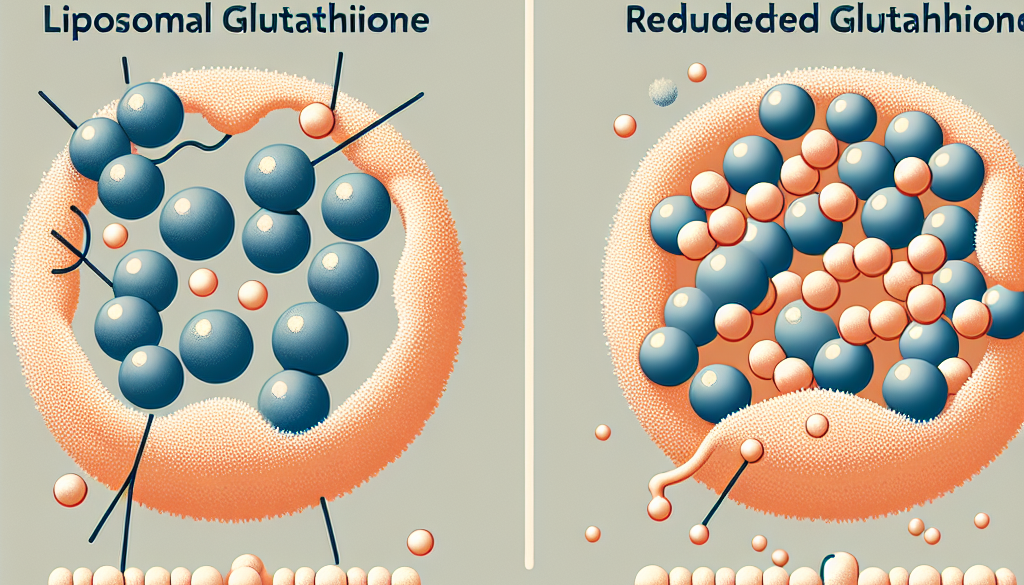
Liposomal glutathione is a form of glutathione that is encapsulated within liposomes—tiny, spherical vesicles made from cholesterol and naturally occurring phospholipids. This encapsulation helps protect glutathione from degradation in the digestive system and enhances its absorption into the bloodstream.
- Enhanced Absorption: The liposomal delivery system allows for direct uptake into the cells, bypassing the digestive process that can break down standard GSH supplements.
- Stability: Liposomes provide a protective barrier around the glutathione molecule, increasing its stability and shelf life.
- Effectiveness: Due to its improved bioavailability, liposomal glutathione is considered more effective in raising glutathione levels within the body.
Comparing the Benefits and Limitations
When choosing between liposomal and reduced glutathione, it is essential to consider their respective benefits and limitations.
Benefits of Reduced Glutathione
- More cost-effective compared to liposomal forms.
- Widely available and used in various health supplements.
Limitations of Reduced Glutathione
- Poor bioavailability when taken orally.
- Can be broken down by stomach acid and enzymes before reaching the bloodstream.
Benefits of Liposomal Glutathione
- Superior absorption and bioavailability.
- Protects the glutathione molecule from degradation.
- May provide more noticeable health benefits due to increased cellular uptake.
Limitations of Liposomal Glutathione
- Typically more expensive than non-liposomal forms.
- May have a shorter shelf life if not properly stored.
Scientific Research and Case Studies
Several studies have investigated the efficacy of liposomal versus reduced glutathione. For instance, a clinical trial published in the European Journal of Clinical Nutrition found that liposomal glutathione significantly increased body stores of glutathione compared to non-liposomal forms. Additionally, case studies have shown that liposomal glutathione can be particularly beneficial for individuals with compromised absorption or digestive issues.
Choosing the Right Glutathione Supplement
When selecting a glutathione supplement, consider factors such as your health goals, budget, and any digestive concerns. It may also be beneficial to consult with a healthcare professional to determine the most suitable form for your needs.
Conclusion: Key Takeaways
In summary, while both liposomal and reduced glutathione offer potential health benefits, liposomal glutathione stands out due to its enhanced bioavailability and effectiveness. However, the choice between the two should be based on individual needs, preferences, and professional advice.
Explore ETchem’s Protein Products
If you’re interested in high-quality protein supplements, consider exploring ETchem’s range of protein products. With a focus on purity and efficacy, ETchem offers a variety of collagen-based products that can complement your health regimen.
About ETChem:
ETChem, a reputable Chinese Collagen factory manufacturer and supplier, is renowned for producing, stocking, exporting, and delivering the highest quality collagens. They include marine collagen, fish collagen, bovine collagen, chicken collagen, type I collagen, type II collagen and type III collagen etc. Their offerings, characterized by a neutral taste, instant solubility attributes, cater to a diverse range of industries. They serve nutraceutical, pharmaceutical, cosmeceutical, veterinary, as well as food and beverage finished product distributors, traders, and manufacturers across Europe, USA, Canada, Australia, Thailand, Japan, Korea, Brazil, and Chile, among others.
ETChem specialization includes exporting and delivering tailor-made collagen powder and finished collagen nutritional supplements. Their extensive product range covers sectors like Food and Beverage, Sports Nutrition, Weight Management, Dietary Supplements, Health and Wellness Products, ensuring comprehensive solutions to meet all your protein needs.
As a trusted company by leading global food and beverage brands and Fortune 500 companies, ETChem reinforces China’s reputation in the global arena. For more information or to sample their products, please contact them and email karen(at)et-chem.com today.