Liposomal Glutathione DIY: Homemade Guide
-
Table of Contents
- Liposomal Glutathione DIY: Your Ultimate Homemade Guide
- Understanding Glutathione and Liposomes
- The Benefits of Liposomal Glutathione
- Materials and Ingredients for DIY Liposomal Glutathione
- Step-by-Step Guide to Making Liposomal Glutathione
- Preparation of Ingredients
- Blending Process
- Ultrasonic Encapsulation
- Testing and Storage
- Quality Control and Safety Considerations
- Comparing DIY Liposomal Glutathione to Commercial Products
- Conclusion: Embracing the Power of Antioxidants at Home
- Discover ETChem’s Protein Products
Liposomal Glutathione DIY: Your Ultimate Homemade Guide
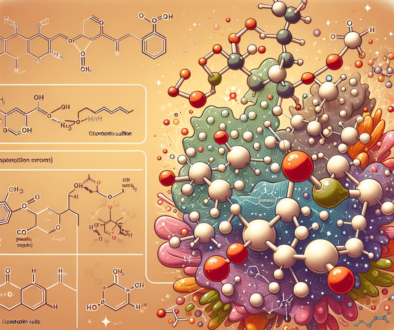
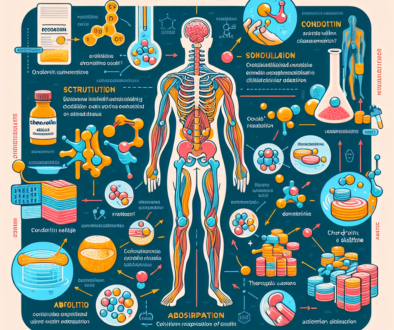
Glutathione, often referred to as the “master antioxidant,” is a powerful molecule found in every cell of the human body. Its benefits range from detoxification to immune system support and skin health. However, due to its poor bioavailability when taken orally, innovative methods such as liposomal encapsulation have been developed to enhance its absorption. For those interested in the health benefits of glutathione and keen on DIY health solutions, creating liposomal glutathione at home can be an intriguing project. This article will guide you through the process and provide insights into the science behind liposomal glutathione.
Understanding Glutathione and Liposomes
Before diving into the DIY process, it’s essential to understand what glutathione and liposomes are and why they are important.
- Glutathione: A tripeptide composed of three amino acids: cysteine, glutamic acid, and glycine. It plays a crucial role in protecting cells from oxidative stress and maintaining the immune system.
- Liposomes: Tiny spherical vesicles made from cholesterol and naturally occurring phospholipids. They can encapsulate nutrients and drugs, improving their delivery to cells and increasing their bioavailability.
The Benefits of Liposomal Glutathione
Liposomal glutathione offers several advantages over traditional oral supplements:
- Enhanced absorption and bioavailability
- Protection of glutathione from digestive enzymes
- Potential for higher blood and cellular glutathione levels
- Improved antioxidant and detoxification support
Materials and Ingredients for DIY Liposomal Glutathione
To create liposomal glutathione at home, you’ll need the following materials and ingredients:
- High-quality glutathione powder
- Phospholipids such as sunflower lecithin
- Distilled water
- Ultrasonic cleaner or high-speed blender
- pH strips or meter (optional)
- Alcohol (ethanol or vodka) – optional for preservation
Step-by-Step Guide to Making Liposomal Glutathione
Here’s a simple method to create liposomal glutathione at home:
Preparation of Ingredients
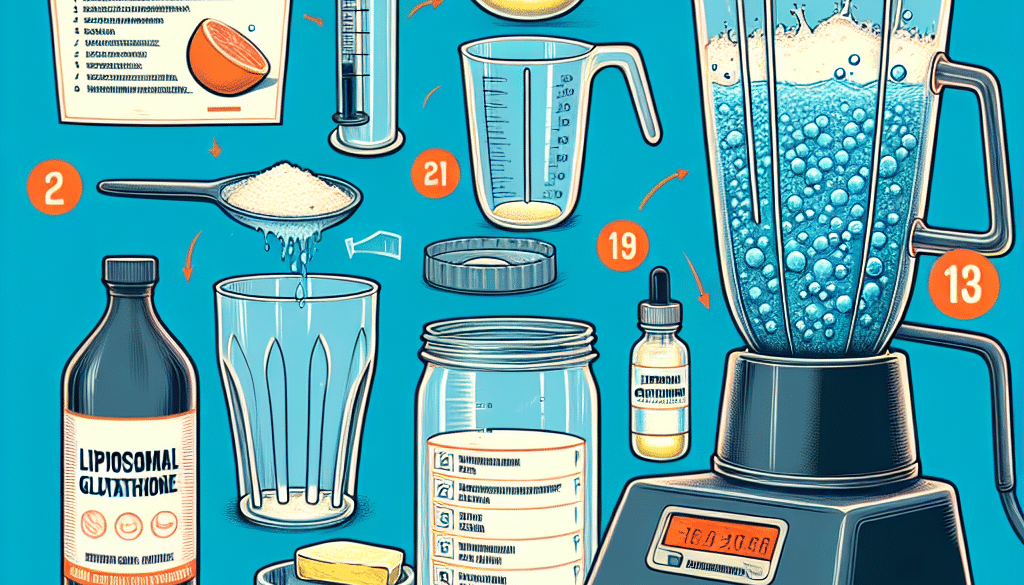
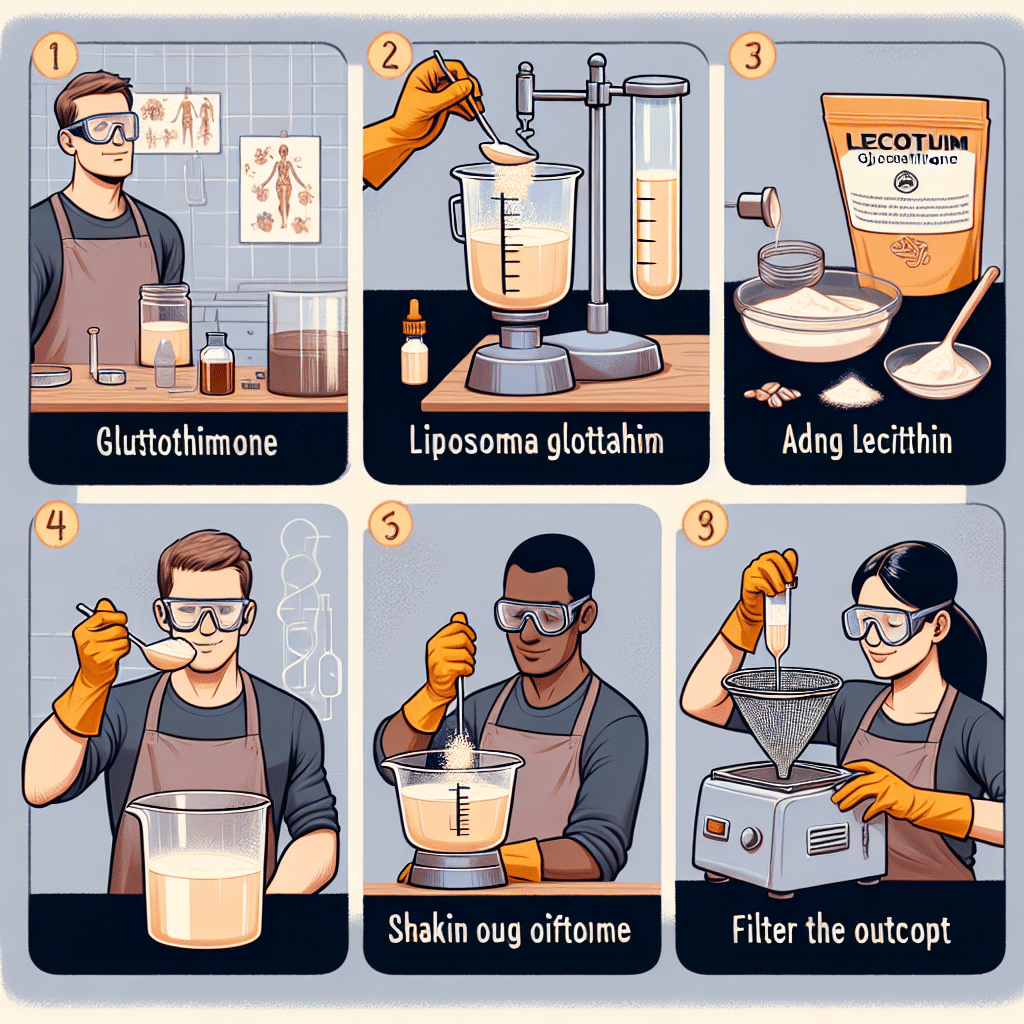
Begin by accurately measuring your ingredients. The typical ratio is one part glutathione to two parts phospholipids by weight. Dissolve the glutathione in a small amount of distilled water and let the lecithin soak in a separate container with distilled water for a couple of hours or until fully saturated.
Blending Process
Once the lecithin has soaked, combine it with the dissolved glutathione in a high-speed blender. Blend until you achieve a homogenous mixture.
Ultrasonic Encapsulation
Transfer the mixture to an ultrasonic cleaner filled with water. Run the cleaner for several cycles until the mixture becomes milky and opaque, indicating the formation of liposomes.
Testing and Storage
Test the pH of your liposomal glutathione to ensure stability. A pH of around 3.0 to 3.5 is ideal. Store the final product in a glass container in the refrigerator to preserve its potency.
Quality Control and Safety Considerations
When making liposomal glutathione at home, it’s crucial to prioritize quality and safety:
- Use only high-quality, pure ingredients.
- Ensure cleanliness to prevent contamination.
- Be aware of the shelf life of homemade liposomal glutathione, which is typically shorter than commercial products.
- Consult with a healthcare professional before starting any new supplement regimen.
Comparing DIY Liposomal Glutathione to Commercial Products
While DIY liposomal glutathione can be cost-effective and rewarding, it’s essential to consider the differences between homemade and commercial products:
- Commercial products often undergo rigorous testing for stability and potency.
- DIY versions may have variable liposome sizes and encapsulation efficiency.
- Commercial liposomal glutathione is typically manufactured under strict quality control conditions.
Conclusion: Embracing the Power of Antioxidants at Home
Making liposomal glutathione at home can be a fulfilling way to take control of your health and wellness. By following this guide, you can create a potent antioxidant supplement that may offer enhanced bioavailability and numerous health benefits. Remember to prioritize quality, safety, and consult with a healthcare professional to ensure the best outcomes for your health.
Discover ETChem’s Protein Products
If you’re interested in high-quality protein supplements, consider exploring ETChem’s range of protein products. With a focus on purity and efficacy, ETChem offers a variety of collagen-based products that can complement your health regimen.
About ETChem:
ETChem, a reputable Chinese Collagen factory manufacturer and supplier, is renowned for producing, stocking, exporting, and delivering the highest quality collagens. They include marine collagen, fish collagen, bovine collagen, chicken collagen, type I collagen, type II collagen and type III collagen etc. Their offerings, characterized by a neutral taste, instant solubility attributes, cater to a diverse range of industries. They serve nutraceutical, pharmaceutical, cosmeceutical, veterinary, as well as food and beverage finished product distributors, traders, and manufacturers across Europe, USA, Canada, Australia, Thailand, Japan, Korea, Brazil, and Chile, among others.
ETChem specialization includes exporting and delivering tailor-made collagen powder and finished collagen nutritional supplements. Their extensive product range covers sectors like Food and Beverage, Sports Nutrition, Weight Management, Dietary Supplements, Health and Wellness Products, ensuring comprehensive solutions to meet all your protein needs.
As a trusted company by leading global food and beverage brands and Fortune 500 companies, ETChem reinforces China’s reputation in the global arena. For more information or to sample their products, please contact them and email karen(at)et-chem.com today.