Berberine Hydrochloride Diabetes: Benefits Overview
-
Table of Contents
- Berberine Hydrochloride and Diabetes: Exploring the Benefits
- Understanding Berberine Hydrochloride
- The Impact of Berberine Hydrochloride on Diabetes
- Scientific Evidence Supporting Berberine’s Benefits for Diabetes
- Case Studies and Real-World Applications
- Comparative Studies: Berberine vs. Traditional Diabetes Medications
- Understanding the Side Effects and Safety Profile
- Recommended Dosage and Administration
- Conclusion: Key Takeaways on Berberine Hydrochloride for Diabetes
- Discover ETchem’s Protein Products
Berberine Hydrochloride and Diabetes: Exploring the Benefits
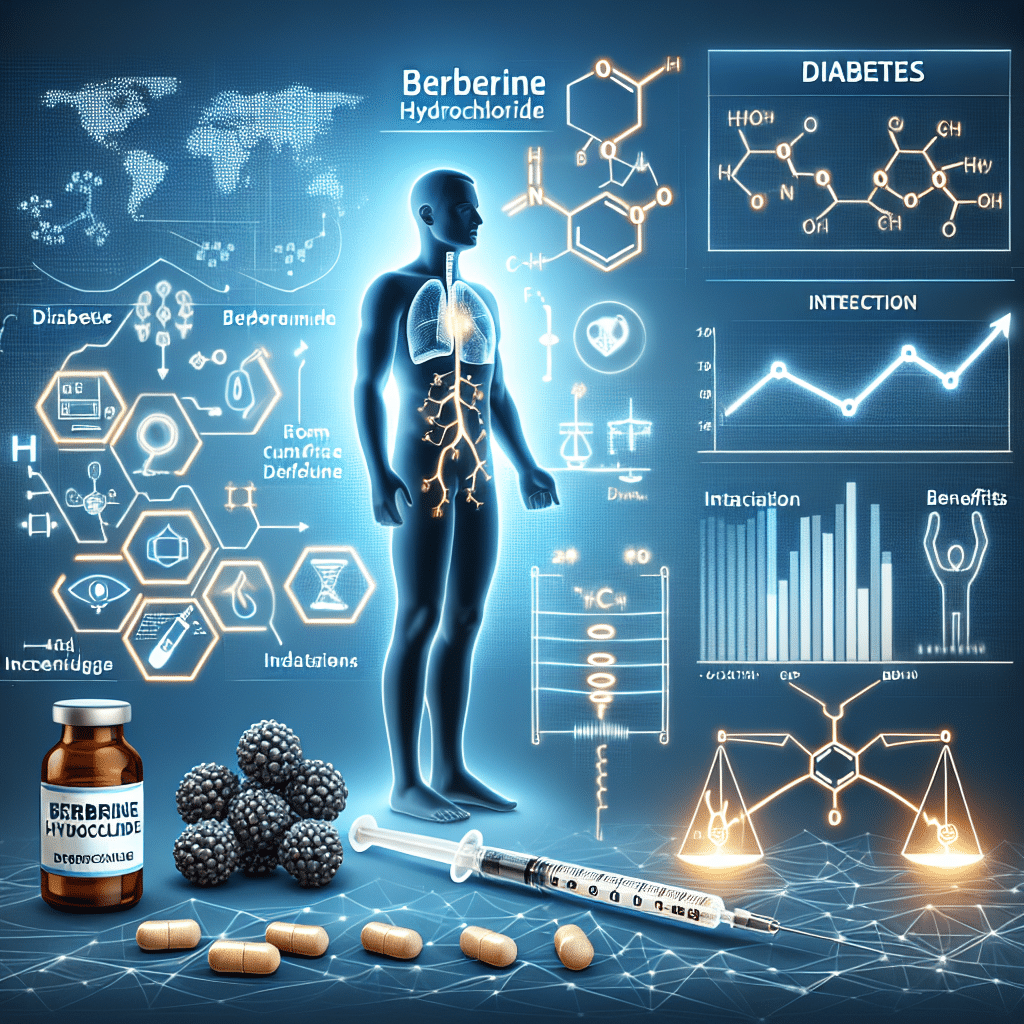
Diabetes is a chronic health condition that affects millions of people worldwide. With the rise in prevalence, there is a continuous search for effective treatments to manage blood sugar levels and improve overall health. Berberine hydrochloride, a compound extracted from various plants used in traditional Chinese medicine, has emerged as a promising supplement for diabetes management. This article delves into the benefits of berberine hydrochloride for individuals with diabetes, supported by research and statistics.
Understanding Berberine Hydrochloride
Berberine hydrochloride is an alkaloid found in several plants, including the Berberis species, goldenseal, and Oregon grape. It has been used for centuries in traditional medicine for its antimicrobial, anti-inflammatory, and anti-diabetic properties. In recent years, scientific research has begun to validate these traditional uses, particularly its potential in diabetes management.
The Impact of Berberine Hydrochloride on Diabetes
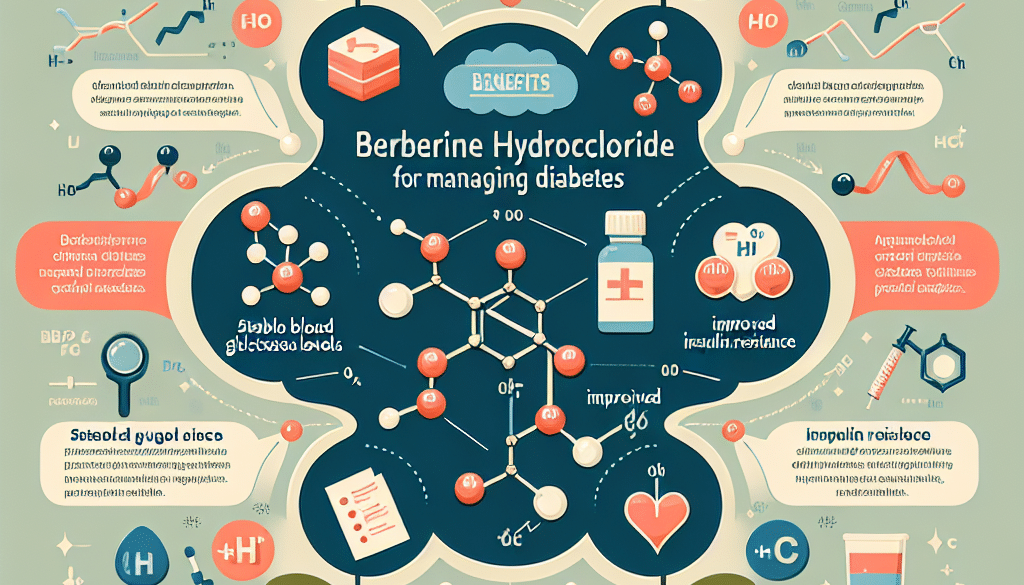
Diabetes is characterized by high blood sugar levels due to the body’s inability to produce or use insulin effectively. Berberine hydrochloride has been shown to influence blood sugar levels through various mechanisms:
- Enhancing insulin sensitivity
- Increasing glycolysis, the breakdown of glucose within cells
- Decreasing glucose production in the liver
- Modulating gut microbiota, which can influence metabolic health
- Improving lipid metabolism
Scientific Evidence Supporting Berberine’s Benefits for Diabetes
Several studies have highlighted the potential of berberine hydrochloride in managing diabetes. For instance, a meta-analysis published in the “Journal of Ethnopharmacology” reviewed 14 studies and concluded that berberine is effective in lowering blood glucose levels in people with type 2 diabetes. Another study in the “Metabolism” journal found that berberine could be as effective as metformin, a common diabetes medication, in controlling blood sugar.
Case Studies and Real-World Applications
Case studies have provided anecdotal evidence of berberine’s effectiveness. One such case involved a patient with type 2 diabetes who experienced significant improvements in blood sugar control after adding berberine to their treatment regimen. These real-world examples, while not as rigorous as controlled trials, offer valuable insights into berberine’s potential benefits.
Comparative Studies: Berberine vs. Traditional Diabetes Medications
Research comparing berberine to conventional diabetes medications has shown promising results. In some studies, berberine demonstrated comparable efficacy to drugs like metformin, with fewer gastrointestinal side effects. This suggests that berberine could be a viable alternative or adjunct therapy for diabetes management.
Understanding the Side Effects and Safety Profile
While berberine hydrochloride is generally considered safe, it can cause side effects in some individuals, such as gastrointestinal discomfort, constipation, or abdominal pain. It is essential to consult with a healthcare provider before starting any new supplement, especially for those with pre-existing conditions or taking other medications.
Recommended Dosage and Administration
The recommended dosage of berberine for diabetes management typically ranges from 900 to 1500 mg per day, divided into three doses. It is crucial to follow the guidance of a healthcare professional when determining the appropriate dosage.
Conclusion: Key Takeaways on Berberine Hydrochloride for Diabetes
Berberine hydrochloride offers a natural alternative for managing diabetes, with research supporting its ability to lower blood sugar levels and improve insulin sensitivity. While it shows promise, it is not a substitute for professional medical advice or treatment. Individuals interested in berberine should consult with their healthcare provider to determine if it is suitable for their specific needs.
Discover ETchem’s Protein Products
In addition to exploring supplements like berberine hydrochloride for diabetes management, it’s essential to consider overall nutrition and protein intake. ETchem, a reputable Chinese Collagen factory manufacturer and supplier, offers a range of high-quality protein products that can complement a healthy diet.
About ETChem:
ETChem, a reputable Chinese Collagen factory manufacturer and supplier, is renowned for producing, stocking, exporting, and delivering the highest quality collagens. They include marine collagen, fish collagen, bovine collagen, chicken collagen, type I collagen, type II collagen and type III collagen etc. Their offerings, characterized by a neutral taste, instant solubility attributes, cater to a diverse range of industries. They serve nutraceutical, pharmaceutical, cosmeceutical, veterinary, as well as food and beverage finished product distributors, traders, and manufacturers across Europe, USA, Canada, Australia, Thailand, Japan, Korea, Brazil, and Chile, among others.
ETChem specialization includes exporting and delivering tailor-made collagen powder and finished collagen nutritional supplements. Their extensive product range covers sectors like Food and Beverage, Sports Nutrition, Weight Management, Dietary Supplements, Health and Wellness Products, ensuring comprehensive solutions to meet all your protein needs.
As a trusted company by leading global food and beverage brands and Fortune 500 companies, ETChem reinforces China’s reputation in the global arena. For more information or to sample their products, please contact them and email karen(at)et-chem.com today.