Berberine Hydrochloride Autophagy: Explained
-
Table of Contents
- Berberine Hydrochloride and Autophagy: A Comprehensive Guide
- Understanding Autophagy
- The Role of Berberine Hydrochloride in Autophagy
- Health Benefits of Berberine-Induced Autophagy
- Therapeutic Applications and Potential
- Case Studies and Research Findings
- Considerations and Future Directions
- Conclusion
- Explore ETchem’s Protein Products
Berberine Hydrochloride and Autophagy: A Comprehensive Guide
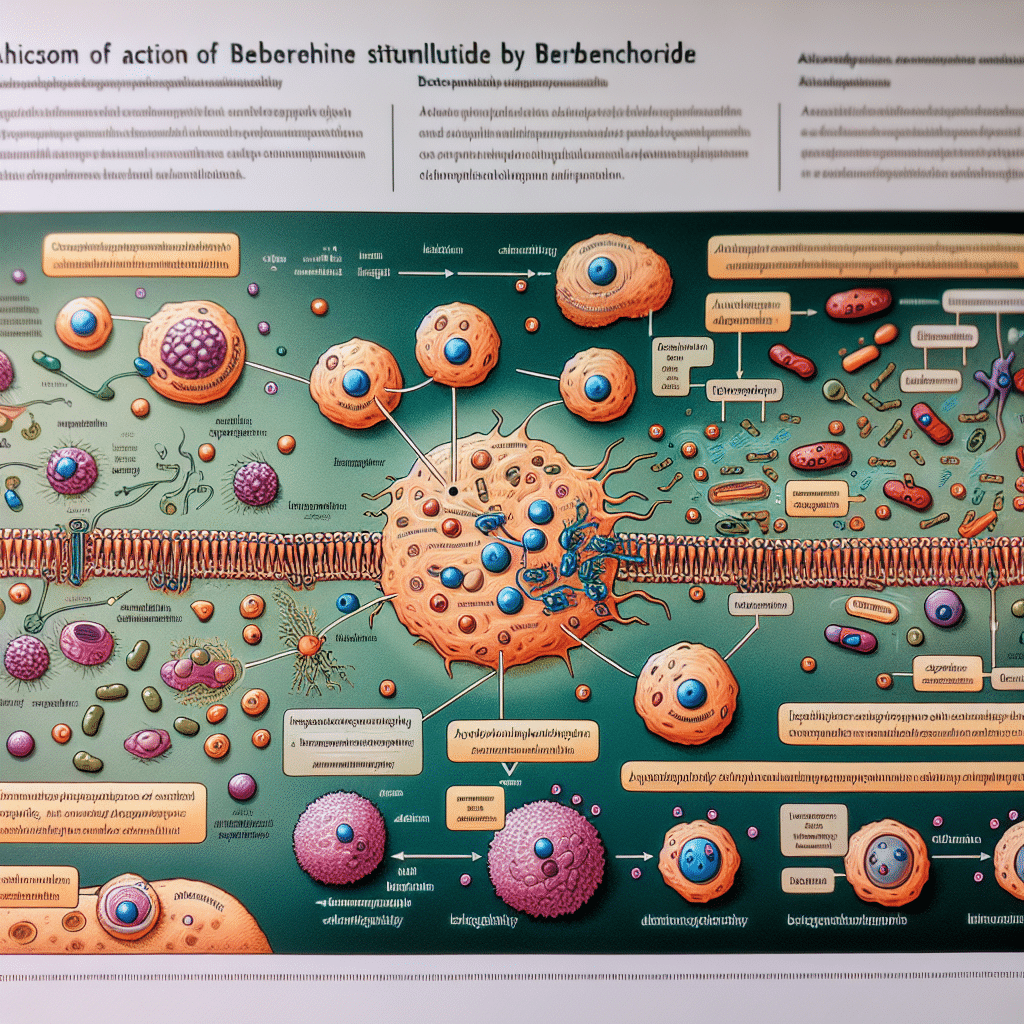
Autophagy, a fundamental biological process, has garnered significant attention in the scientific community for its role in maintaining cellular health and preventing disease. Berberine hydrochloride, a natural compound extracted from various plants, has been identified as a potent inducer of autophagy. This article delves into the intricate relationship between berberine hydrochloride and autophagy, exploring the mechanisms, benefits, and potential therapeutic applications.
Understanding Autophagy
Autophagy, derived from the Greek words “auto” (self) and “phagy” (eating), is a cellular process that degrades and recycles damaged organelles, misfolded proteins, and pathogens. This mechanism is crucial for cellular homeostasis, adaptation to stress conditions, and the prevention of diseases such as cancer, neurodegeneration, and infections.
- Macroautophagy: The most studied form, involving the creation of autophagosomes that engulf cellular components.
- Microautophagy: Direct engulfment of cytoplasmic material by the lysosome.
- Chaperone-mediated autophagy: Selective degradation of KFERQ motif-containing proteins by lysosomes.
The Role of Berberine Hydrochloride in Autophagy
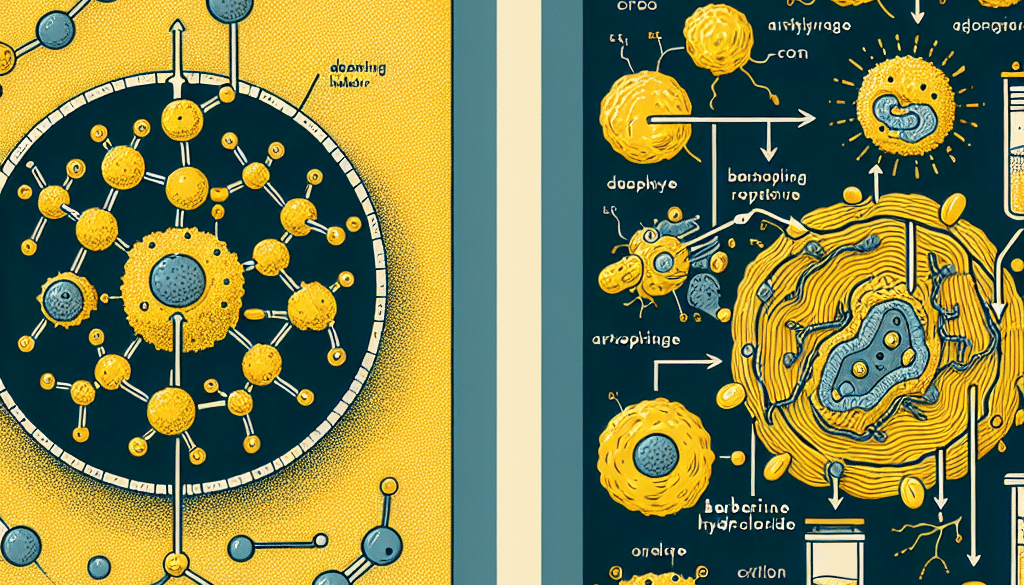
Berberine hydrochloride, a quaternary ammonium salt from the protoberberine group of benzylisoquinoline alkaloids, is known for its diverse pharmacological effects. Recent studies have highlighted its ability to activate autophagy through various signaling pathways.
- AMP-activated protein kinase (AMPK) activation: Berberine can activate AMPK, a key regulator of energy homeostasis, which in turn initiates autophagy.
- mTOR inhibition: Berberine has been shown to inhibit the mammalian target of rapamycin (mTOR), a central inhibitor of autophagy, thus promoting the autophagic process.
- Regulation of Beclin-1: Berberine can modulate the expression of Beclin-1, a protein essential for the initiation of autophagosome formation.
Health Benefits of Berberine-Induced Autophagy
The induction of autophagy by berberine hydrochloride has been associated with numerous health benefits, including:
- Enhanced clearance of toxic aggregates in neurodegenerative diseases like Alzheimer’s and Parkinson’s.
- Reduction of inflammation and oxidative stress.
- Improved insulin sensitivity and glucose metabolism, beneficial for diabetes management.
- Anticancer effects through the selective targeting of cancer cells.
- Protection against cardiovascular diseases by reducing atherosclerotic plaque formation.
Therapeutic Applications and Potential
Berberine hydrochloride’s ability to induce autophagy has therapeutic implications for various diseases:
- Metabolic disorders: Berberine can improve metabolic health by enhancing autophagy, which is often impaired in obesity and diabetes.
- Neurodegenerative diseases: By promoting the clearance of aberrant proteins, berberine may slow the progression of diseases like Alzheimer’s.
- Cancer: Autophagy modulation by berberine could be a strategy for cancer therapy, either alone or in combination with other treatments.
- Infectious diseases: Berberine-induced autophagy can help eliminate intracellular pathogens, offering a potential treatment for infections.
Case Studies and Research Findings
Several studies have provided insights into the effects of berberine hydrochloride on autophagy:
- A study on hepatocellular carcinoma showed that berberine induced autophagy and apoptosis in cancer cells.
- Research on diabetic nephropathy indicated that berberine could protect against kidney damage by activating autophagy.
- Experiments on neuroblastoma cells revealed that berberine could enhance the clearance of alpha-synuclein, suggesting potential benefits for Parkinson’s disease.
Considerations and Future Directions
While berberine hydrochloride shows promise in inducing autophagy, there are considerations to be taken into account:
- Dosage and administration: The optimal dose for therapeutic effects without adverse reactions needs further investigation.
- Drug interactions: Berberine may interact with other medications, necessitating careful consideration when used in combination therapies.
- Long-term effects: More research is required to understand the long-term impact of berberine-induced autophagy on human health.
Future research should focus on clinical trials to validate the preclinical findings and explore the full therapeutic potential of berberine hydrochloride in autophagy-related diseases.
Conclusion
Berberine hydrochloride emerges as a potent inducer of autophagy with significant therapeutic potential. Its ability to modulate this vital cellular process offers hope for the treatment of a wide range of diseases, from metabolic disorders to cancer. As research continues to unravel the complexities of berberine-induced autophagy, the prospects for novel treatments become increasingly promising.
Explore ETchem’s Protein Products
In the context of health and wellness, proteins play a crucial role in numerous biological processes, including autophagy. ETchem’s high-quality protein products, such as their various types of collagen, can support your health endeavors. Whether you’re formulating new supplements or developing health-focused food and beverages, ETchem’s protein offerings can meet your needs.
About ETChem:
ETChem, a reputable Chinese Collagen factory manufacturer and supplier, is renowned for producing, stocking, exporting, and delivering the highest quality collagens. They include marine collagen, fish collagen, bovine collagen, chicken collagen, type I collagen, type II collagen and type III collagen etc. Their offerings, characterized by a neutral taste, instant solubility attributes, cater to a diverse range of industries. They serve nutraceutical, pharmaceutical, cosmeceutical, veterinary, as well as food and beverage finished product distributors, traders, and manufacturers across Europe, USA, Canada, Australia, Thailand, Japan, Korea, Brazil, and Chile, among others.
ETChem specialization includes exporting and delivering tailor-made collagen powder and finished collagen nutritional supplements. Their extensive product range covers sectors like Food and Beverage, Sports Nutrition, Weight Management, Dietary Supplements, Health and Wellness Products, ensuring comprehensive solutions to meet all your protein needs.
As a trusted company by leading global food and beverage brands and Fortune 500 companies, ETChem reinforces China’s reputation in the global arena. For more information or to sample their products, please contact them and email karen(at)et-chem.com today.