How Much Silymarin in Milk Thistle Seeds?
-
Table of Contents
- Silymarin Content in Milk Thistle Seeds: A Comprehensive Guide
- Understanding Silymarin in Milk Thistle
- Quantifying Silymarin in Milk Thistle Seeds
- Research on Silymarin Concentration
- Case Studies and Real-World Examples
- Statistical Data on Silymarin Usage
- Maximizing the Benefits of Silymarin
- Conclusion: The Significance of Silymarin Content
- Discover ETchem’s Protein Products
Silymarin Content in Milk Thistle Seeds: A Comprehensive Guide
Milk thistle, scientifically known as Silybum marianum, has been used for centuries as a natural remedy for various ailments, particularly liver problems. The active compound in milk thistle that is largely credited for its therapeutic properties is silymarin. Understanding the concentration of silymarin in milk thistle seeds is crucial for both consumers and healthcare providers to ensure proper dosage and maximize the potential health benefits. This article delves into the silymarin content in milk thistle seeds, supported by research, examples, and statistics.
Understanding Silymarin in Milk Thistle
Silymarin is a flavonolignan complex that consists of several components, including silybin, isosilybin, silychristin, silydianin, and others. These compounds are collectively responsible for the antioxidant, anti-inflammatory, and hepatoprotective effects of milk thistle. Silymarin is extracted from the seeds of the milk thistle plant, which is the richest source of this beneficial compound.
Quantifying Silymarin in Milk Thistle Seeds
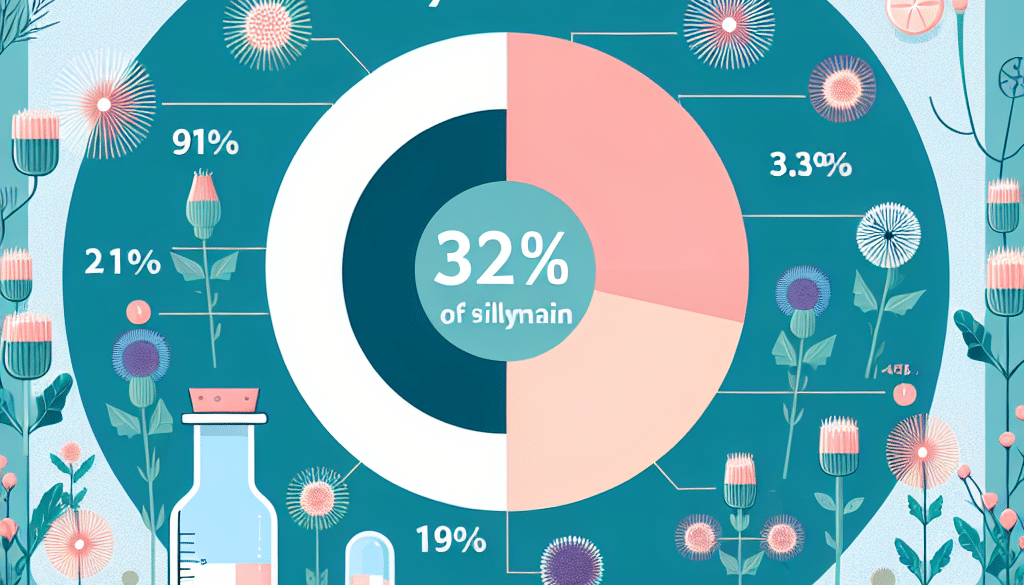
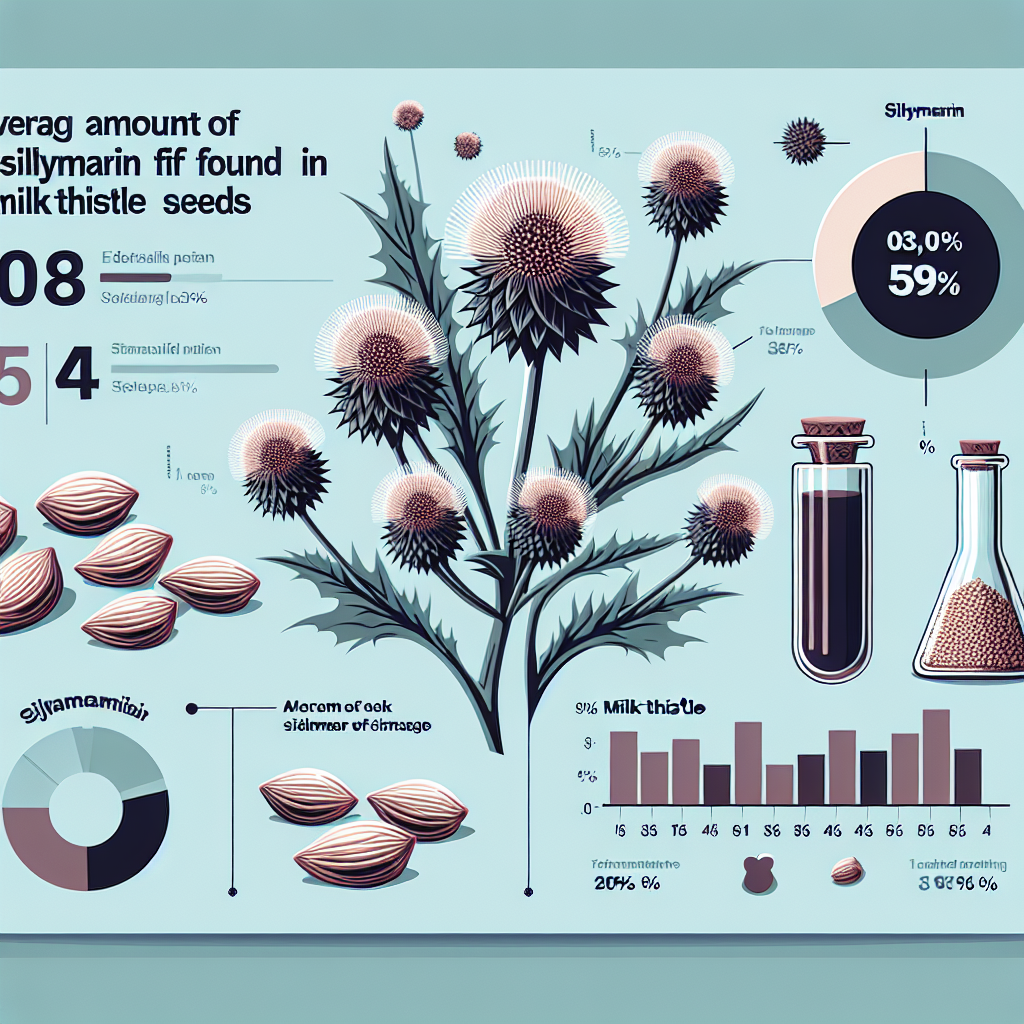
The concentration of silymarin in milk thistle seeds can vary based on several factors, including the plant’s growing conditions, the time of harvest, and the extraction method used. On average, milk thistle seeds contain about 1.5-3% silymarin by weight. However, some high-quality extracts can have silymarin concentrations as high as 80%.
- Factors Affecting Silymarin Content: Soil quality, climate, and agricultural practices can influence the silymarin content in milk thistle seeds.
- Extraction Methods: Techniques such as solvent extraction, ultrasonication, and supercritical fluid extraction can yield different concentrations of silymarin.
- Standardization of Extracts: Many supplements are standardized to contain a specific percentage of silymarin, ensuring a consistent dose in each serving.
Research on Silymarin Concentration
Several studies have been conducted to measure the silymarin content in milk thistle seeds and to determine the most effective extraction methods. For instance, a study published in the “Journal of Agricultural and Food Chemistry” found that using ethanol as a solvent resulted in the highest yield of silymarin. Another study in “Phytochemical Analysis” highlighted that the silymarin content can be significantly increased by optimizing the extraction parameters.
Case Studies and Real-World Examples
Case studies have demonstrated the importance of silymarin concentration in treating liver diseases. For example, a clinical trial showed that patients with liver cirrhosis who received a standardized silymarin extract experienced improved liver function compared to those who received a placebo.
Statistical Data on Silymarin Usage
Statistics reveal that the demand for milk thistle supplements has been growing steadily. According to market research, the global milk thistle extracts market size was valued at USD 117 million in 2020 and is expected to expand at a compound annual growth rate (CAGR) of 6.7% from 2021 to 2028. This growth is partly due to the increasing awareness of the health benefits associated with silymarin.
Maximizing the Benefits of Silymarin
To fully benefit from silymarin in milk thistle seeds, it is essential to consider the following:
- Proper Dosage: Consult with a healthcare provider to determine the appropriate dosage of silymarin for your specific health needs.
- Quality of Supplements: Choose high-quality milk thistle supplements that are standardized to contain a specific percentage of silymarin.
- Complementary Therapies: Combine milk thistle supplementation with other healthy lifestyle choices for optimal liver health.
Conclusion: The Significance of Silymarin Content
In conclusion, the silymarin content in milk thistle seeds is a critical factor that influences the therapeutic efficacy of milk thistle supplements. With an average range of 1.5-3% silymarin by weight in raw seeds and the possibility of highly concentrated extracts, consumers have various options to choose from. By understanding the factors that affect silymarin concentration and selecting standardized extracts, individuals can harness the full potential of milk thistle for liver health and beyond.
Discover ETchem’s Protein Products
For those interested in enhancing their health regimen, ETchem’s protein products offer a range of high-quality options. Whether you’re looking for marine, fish, bovine, chicken, or other types of collagen, ETchem provides premium solutions to meet your protein needs. Their products are ideal for various industries, including nutraceuticals, pharmaceuticals, cosmeceuticals, and food and beverage sectors. With a commitment to excellence and customer satisfaction, ETchem is your go-to source for protein supplements.
About ETChem:
ETChem, a reputable Chinese Collagen factory manufacturer and supplier, is renowned for producing, stocking, exporting, and delivering the highest quality collagens. They include marine collagen, fish collagen, bovine collagen, chicken collagen, type I collagen, type II collagen and type III collagen etc. Their offerings, characterized by a neutral taste, instant solubility attributes, cater to a diverse range of industries. They serve nutraceutical, pharmaceutical, cosmeceutical, veterinary, as well as food and beverage finished product distributors, traders, and manufacturers across Europe, USA, Canada, Australia, Thailand, Japan, Korea, Brazil, and Chile, among others.
ETChem specialization includes exporting and delivering tailor-made collagen powder and finished collagen nutritional supplements. Their extensive product range covers sectors like Food and Beverage, Sports Nutrition, Weight Management, Dietary Supplements, Health and Wellness Products, ensuring comprehensive solutions to meet all your protein needs.
As a trusted company by leading global food and beverage brands and Fortune 500 companies, ETChem reinforces China’s reputation in the global arena. For more information or to sample their products, please contact them and email karen(at)et-chem.com today.