Is Silybum Marianum the Same as Silymarin?
-
Table of Contents
- Silybum Marianum vs. Silymarin: Understanding the Differences
- What is Silybum Marianum?
- Understanding Silymarin
- Comparing Silybum Marianum and Silymarin
- Health Benefits and Uses
- Scientific Research and Case Studies
- How to Use Silybum Marianum and Silymarin
- Conclusion: Key Takeaways
- Discover ETchem’s Protein Products
Silybum Marianum vs. Silymarin: Understanding the Differences
When it comes to herbal remedies, the terminology can sometimes be confusing. Two terms that often get mixed up are Silybum marianum and silymarin. While they are related, they are not the same thing. This article will delve into the distinctions between Silybum marianum and silymarin, their benefits, and their uses in traditional and modern medicine.
What is Silybum Marianum?
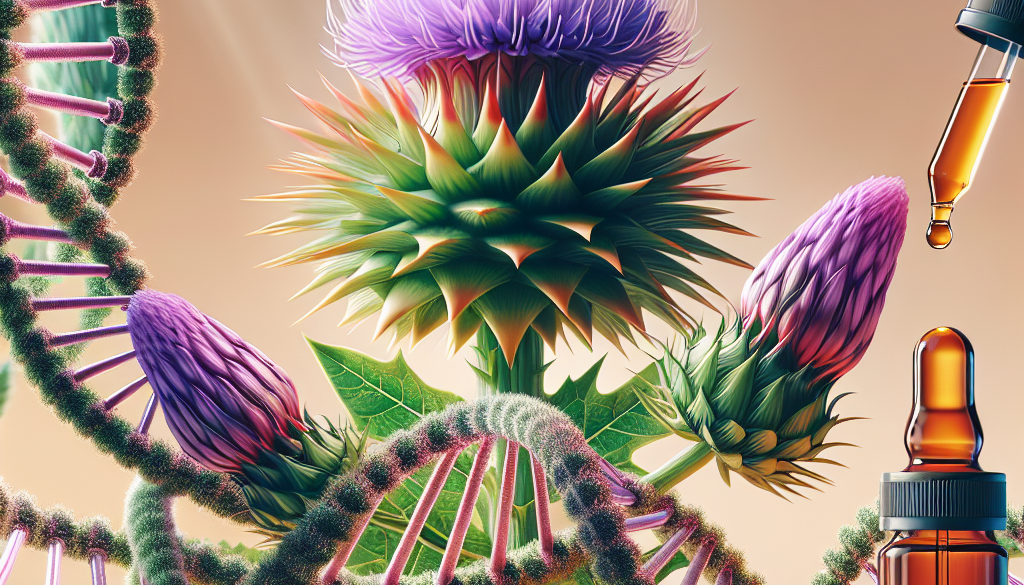
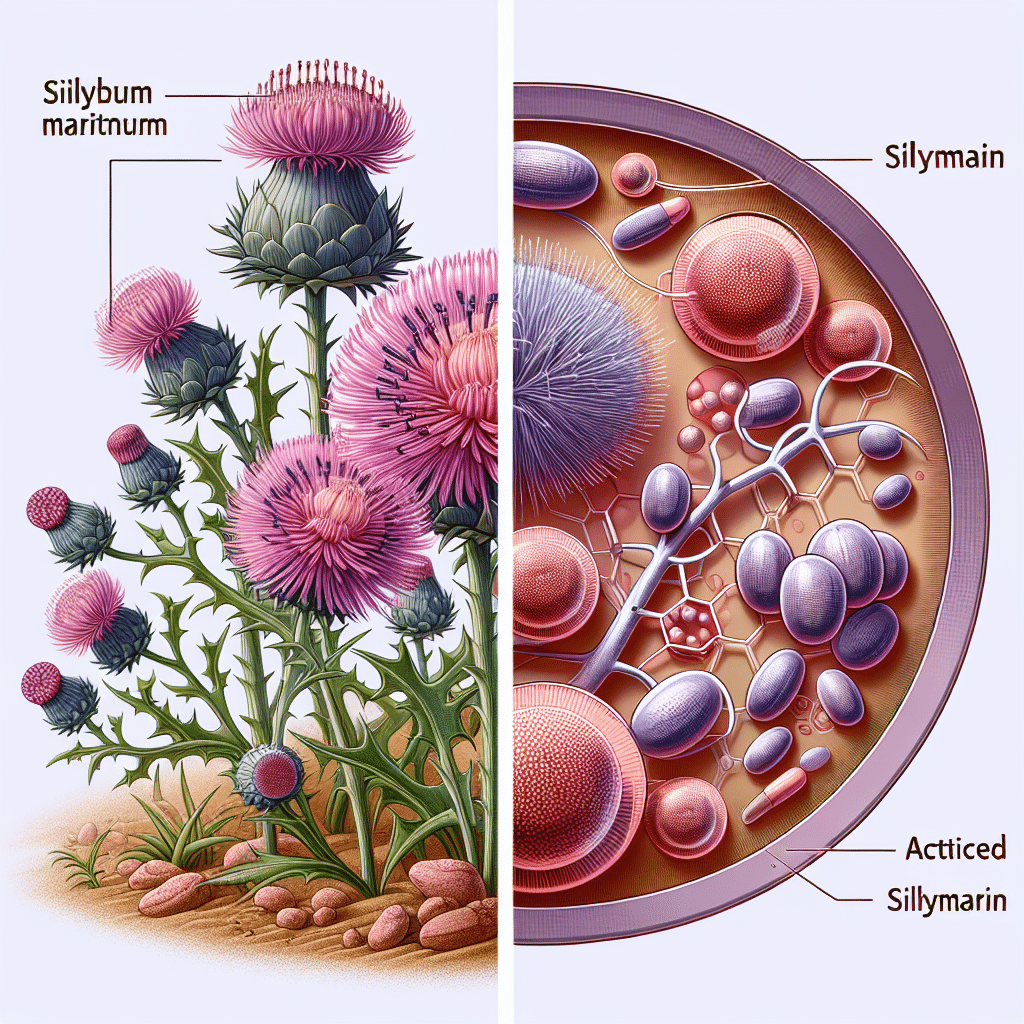
Silybum marianum, commonly known as milk thistle, is a flowering plant belonging to the Asteraceae family. It is native to Mediterranean countries but can now be found throughout the world. The plant is easily recognizable by its glossy, marbled leaves and purple to red flowers. It has been used for over 2,000 years as a natural remedy for various ailments, particularly liver problems.
Understanding Silymarin
Silymarin is a complex mixture of flavonolignans extracted from the seeds of the milk thistle plant (Silybum marianum). It is not a single substance but a group of compounds, including silybin, isosilybin, silydianin, and silychristin, with silybin being the most active and abundant component. Silymarin is the component of the plant that is believed to have medicinal properties.
Comparing Silybum Marianum and Silymarin
While Silybum marianum refers to the whole plant, silymarin refers specifically to the bioactive extract derived from the plant’s seeds. Here’s a breakdown of their differences:
- Silybum Marianum: The whole plant, including leaves, flowers, and seeds, used in various forms such as teas, capsules, and extracts.
- Silymarin: A specific extract from the seeds of the plant, containing a group of active compounds used in supplements and pharmaceuticals.
Health Benefits and Uses
Both Silybum marianum and silymarin are best known for their hepatoprotective effects. Here are some of the health benefits and uses that have been researched:
- Liver Health: They are most commonly used to treat liver disorders such as cirrhosis, jaundice, hepatitis, and gallbladder disorders.
- Antioxidant Properties: Silymarin acts as an antioxidant, protecting cells from free radical damage.
- Anti-inflammatory Effects: It may help reduce inflammation in the body.
- Anti-Cancer Potential: Some studies suggest that silymarin may have anti-cancer properties, though more research is needed.
Scientific Research and Case Studies
Several studies have been conducted to evaluate the efficacy of Silybum marianum and silymarin. For instance, a study published in the “World Journal of Hepatology” found that silymarin significantly improved liver function in patients with alcoholic liver disease. Another study in the “Journal of Hepatology” showed that silymarin could reduce liver damage caused by toxins.
Case studies have also highlighted individual success stories where patients with liver diseases have benefited from using milk thistle supplements. However, it’s important to note that while these examples are promising, they do not replace the need for more extensive clinical trials.
How to Use Silybum Marianum and Silymarin
Both Silybum marianum and silymarin are available in various forms, including capsules, tablets, powders, and liquid extracts. The dosage and form will depend on the specific health condition being treated and the concentration of the product. It’s essential to follow the manufacturer’s instructions or consult with a healthcare provider before starting any new supplement regimen.
Conclusion: Key Takeaways
In summary, Silybum marianum is the milk thistle plant itself, while silymarin is the active extract from the plant’s seeds. Both have been shown to offer health benefits, particularly for liver health, due to their antioxidant and anti-inflammatory properties. While promising, it’s important to approach these supplements with an understanding of their differences and to seek professional advice for their use in treating health conditions.
Discover ETchem’s Protein Products
If you’re interested in natural health supplements, you might also want to explore protein products. ETchem offers a range of high-quality protein products that can complement your health regimen. Their offerings include various types of collagen, which can support skin health, joint health, and overall wellness. Consider incorporating ETchem’s protein products into your diet for additional health benefits.
About ETChem:
ETChem, a reputable Chinese Collagen factory manufacturer and supplier, is renowned for producing, stocking, exporting, and delivering the highest quality collagens. They include marine collagen, fish collagen, bovine collagen, chicken collagen, type I collagen, type II collagen and type III collagen etc. Their offerings, characterized by a neutral taste, instant solubility attributes, cater to a diverse range of industries. They serve nutraceutical, pharmaceutical, cosmeceutical, veterinary, as well as food and beverage finished product distributors, traders, and manufacturers across Europe, USA, Canada, Australia, Thailand, Japan, Korea, Brazil, and Chile, among others.
ETChem specialization includes exporting and delivering tailor-made collagen powder and finished collagen nutritional supplements. Their extensive product range covers sectors like Food and Beverage, Sports Nutrition, Weight Management, Dietary Supplements, Health and Wellness Products, ensuring comprehensive solutions to meet all your protein needs.
As a trusted company by leading global food and beverage brands and Fortune 500 companies, ETChem reinforces China’s reputation in the global arena. For more information or to sample their products, please contact them and email karen(at)et-chem.com today.