Silymarin and Breastfeeding: Safety Guide
-
Table of Contents
- Silymarin and Breastfeeding: A Comprehensive Safety Guide
- Understanding Silymarin
- The Concerns of Silymarin Use During Breastfeeding
- Research on Silymarin and Lactation
- Current Recommendations for Silymarin Intake During Breastfeeding
- Potential Side Effects and Interactions
- Guidelines for Breastfeeding Mothers Considering Silymarin
- Case Studies and Anecdotal Evidence
- Statistics on Breastfeeding and Supplement Use
- Conclusion: Weighing the Benefits and Risks
- ETchem: Your Trusted Source for Protein Products
Silymarin and Breastfeeding: A Comprehensive Safety Guide
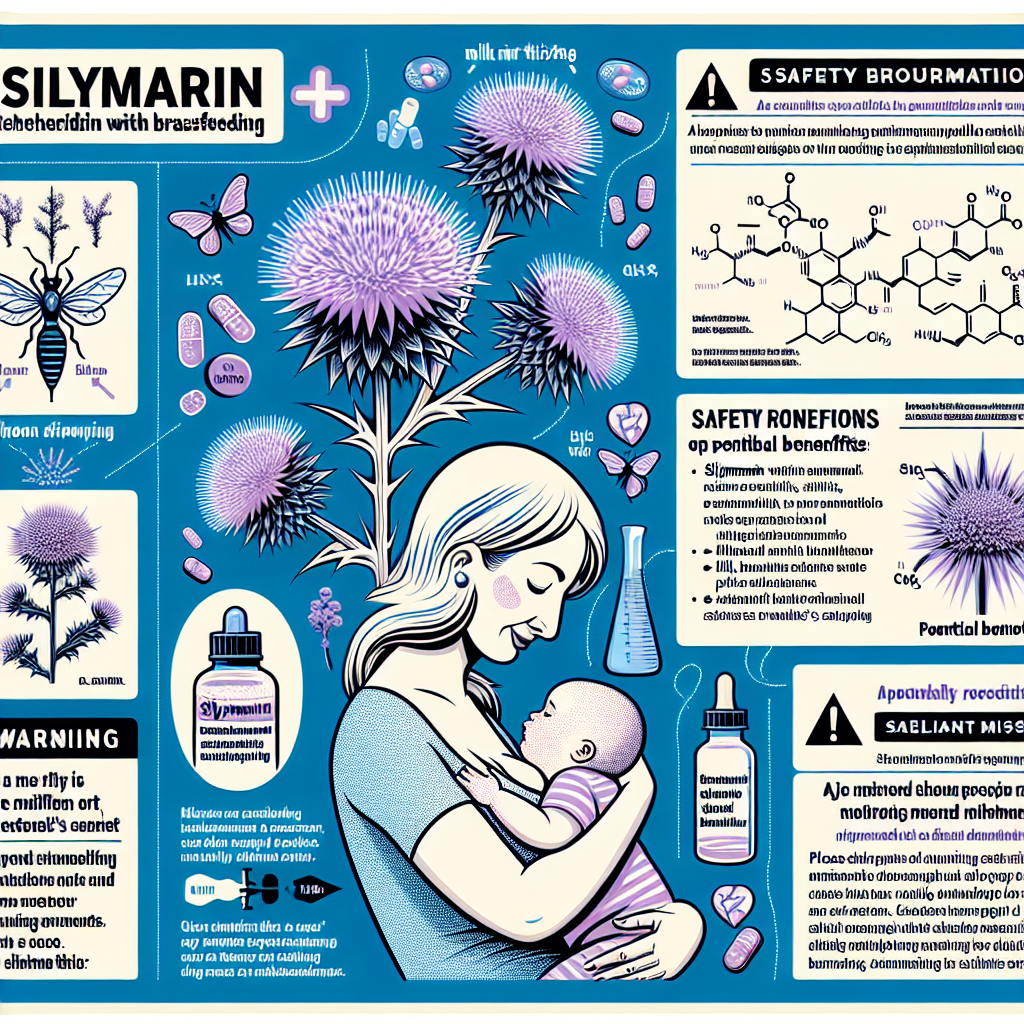
When it comes to breastfeeding, mothers are often cautious about the substances they ingest, as they can affect milk production and have potential implications for their baby’s health. Silymarin, a natural supplement derived from the milk thistle plant, is commonly used for its liver-protective effects. However, its safety during breastfeeding is a topic of concern for many nursing mothers. This article aims to provide a thorough guide on the safety of silymarin for breastfeeding women, supported by research, examples, and statistics.
Understanding Silymarin
Silymarin is a flavonoid complex extracted from the seeds of the milk thistle plant (Silybum marianum). It is primarily known for its antioxidant and anti-inflammatory properties, which contribute to its hepatoprotective effects. Silymarin is often used to treat liver diseases such as cirrhosis, jaundice, and hepatitis, as well as to protect the liver from toxins.
The Concerns of Silymarin Use During Breastfeeding
For breastfeeding mothers, the primary concern with any supplement or medication is whether it will pass into breast milk and, if so, what effects it might have on the infant. The safety profile of silymarin during lactation is not well-established, leading to caution among healthcare providers when advising its use.
Research on Silymarin and Lactation
Studies on silymarin’s effects during breastfeeding are limited. However, some research suggests that silymarin may have a positive impact on milk production. A study published in the Journal of Alternative and Complementary Medicine found that silymarin increased daily milk production in mothers with insufficient milk supply. Despite these findings, the long-term safety for infants remains unclear.
Current Recommendations for Silymarin Intake During Breastfeeding
Given the lack of extensive research, many health organizations and professionals recommend caution or abstention from silymarin use during breastfeeding. The American Academy of Pediatrics has not listed silymarin as a contraindicated substance during breastfeeding, but this does not equate to an endorsement of its safety.
Potential Side Effects and Interactions
While silymarin is generally considered safe when taken by non-lactating adults, potential side effects include gastrointestinal disturbances, allergic reactions, and interactions with other medications. The impact of these side effects on breastfeeding infants is not well-documented.
Guidelines for Breastfeeding Mothers Considering Silymarin
- Consult with a healthcare provider before starting any new supplement, including silymarin.
- Be aware of the potential for silymarin to pass into breast milk and its unknown effects on infants.
- Monitor the infant for any adverse reactions if silymarin is used during breastfeeding.
- Consider alternative methods to increase milk supply that have established safety profiles for breastfeeding mothers and infants.
Case Studies and Anecdotal Evidence
While scientific research is limited, some anecdotal evidence from breastfeeding mothers suggests that silymarin may be beneficial for milk production. However, without rigorous studies, such evidence should be taken with caution.
Statistics on Breastfeeding and Supplement Use
According to a survey by the Centers for Disease Control and Prevention (CDC), approximately 75% of mothers in the United States start out breastfeeding. However, many seek supplements or medications to address challenges such as low milk supply. The prevalence of supplement use among breastfeeding mothers underscores the importance of understanding the safety of substances like silymarin.
Conclusion: Weighing the Benefits and Risks
In conclusion, while silymarin may offer potential benefits for liver health and milk production, the lack of substantial research on its safety during breastfeeding warrants caution. Breastfeeding mothers should consult healthcare providers and consider all available information before deciding to use silymarin or any other supplement.
ETchem: Your Trusted Source for Protein Products
For breastfeeding mothers looking to support their health and nutrition, ETchem offers a range of high-quality protein products. Their extensive selection of collagens, including marine, fish, bovine, and chicken collagens, provides safe and natural options for mothers and their families. With a commitment to quality and customer satisfaction, ETchem is a reliable partner for all your protein needs.
About ETChem:
ETChem, a reputable Chinese Collagen factory manufacturer and supplier, is renowned for producing, stocking, exporting, and delivering the highest quality collagens. They include marine collagen, fish collagen, bovine collagen, chicken collagen, type I collagen, type II collagen and type III collagen etc. Their offerings, characterized by a neutral taste, instant solubility attributes, cater to a diverse range of industries. They serve nutraceutical, pharmaceutical, cosmeceutical, veterinary, as well as food and beverage finished product distributors, traders, and manufacturers across Europe, USA, Canada, Australia, Thailand, Japan, Korea, Brazil, and Chile, among others.
ETChem specialization includes exporting and delivering tailor-made collagen powder and finished collagen nutritional supplements. Their extensive product range covers sectors like Food and Beverage, Sports Nutrition, Weight Management, Dietary Supplements, Health and Wellness Products, ensuring comprehensive solutions to meet all your protein needs.
As a trusted company by leading global food and beverage brands and Fortune 500 companies, ETChem reinforces China’s reputation in the global arena. For more information or to sample their products, please contact them and email karen(at)et-chem.com today.