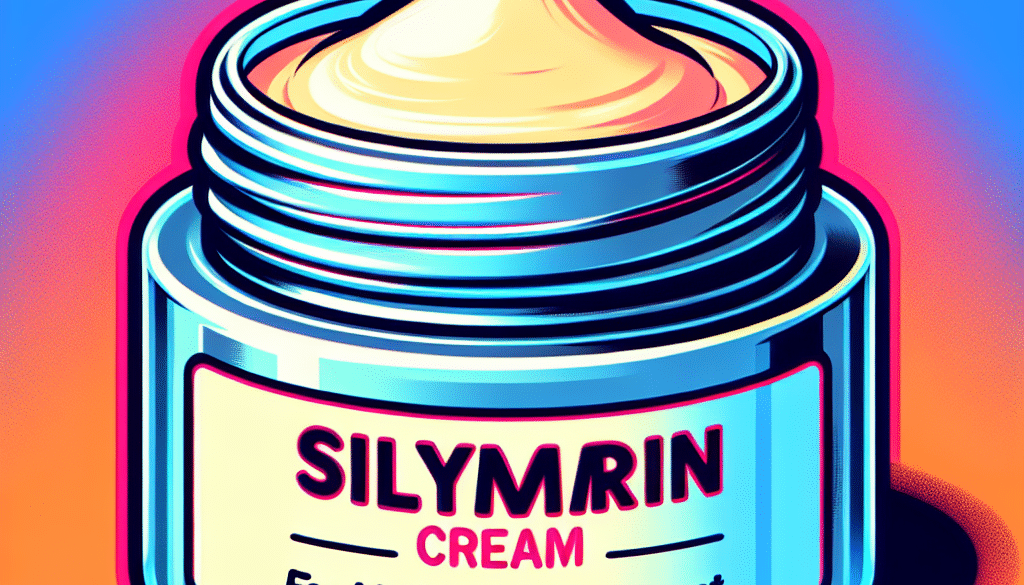
Silymarin Cream for Melasma Treatment
-
Table of Contents
- Silymarin Cream: A Promising Solution for Melasma Management
- Understanding Melasma and Its Impact
- The Therapeutic Potential of Silymarin
- Antioxidant Properties
- Anti-Inflammatory Effects
- Photoprotective Actions
- Scientific Evidence Supporting Silymarin for Melasma
- Comparing Silymarin Cream to Conventional Melasma Treatments
- Case Studies and Anecdotal Evidence
- How to Use Silymarin Cream for Best Results
- Conclusion: Silymarin Cream as a Melasma Treatment
- Discover ETChem’s Protein Products
Silymarin Cream: A Promising Solution for Melasma Management
Melasma is a common skin condition characterized by dark, discolored patches on the skin, primarily affecting women, especially during pregnancy or hormonal changes. While various treatments exist, the quest for effective and safe options continues. Silymarin, a natural extract from the milk thistle plant, has emerged as a potential ally in this battle. This article delves into the efficacy of silymarin cream for melasma treatment, exploring its benefits, mechanisms, and the scientific evidence supporting its use.
Understanding Melasma and Its Impact
Melasma is more than a cosmetic concern; it can significantly affect an individual’s quality of life, leading to emotional distress and social withdrawal. The exact cause of melasma remains unclear, but it is known to be influenced by sun exposure, genetic predisposition, and hormonal factors. Traditional treatments include topical agents like hydroquinone, chemical peels, and laser therapy, but these can have side effects or be cost-prohibitive for many.
The Therapeutic Potential of Silymarin
Silymarin is a flavonoid complex extracted from the seeds of the milk thistle plant (Silybum marianum). It has been traditionally used for its hepatoprotective properties, but recent research has uncovered its potential in dermatology, particularly for conditions like melasma.
Antioxidant Properties
Silymarin’s strong antioxidant properties help combat oxidative stress, a key factor in the pathogenesis of melasma. By neutralizing free radicals, silymarin can prevent the damage they cause to skin cells, which is crucial in managing hyperpigmentation.
Anti-Inflammatory Effects
Inflammation plays a role in melasma, and silymarin’s anti-inflammatory effects can help reduce the inflammatory response, thereby mitigating the development and severity of melasma patches.
Photoprotective Actions
Exposure to UV radiation exacerbates melasma. Silymarin offers photoprotective benefits by absorbing UV light and inhibiting the formation of sun-induced skin damage.
Scientific Evidence Supporting Silymarin for Melasma
Several studies have investigated the effectiveness of silymarin in treating melasma. A notable study published in the “Journal of Dermatological Treatment” found that a topical silymarin-based formulation significantly improved melasma in participants after 4 weeks of use. Another study highlighted silymarin’s ability to enhance skin resistance to UV radiation, suggesting a preventive role in melasma management.
Comparing Silymarin Cream to Conventional Melasma Treatments
When compared to traditional treatments, silymarin cream offers a gentler alternative with fewer side effects. Unlike hydroquinone, which can cause skin irritation and, with prolonged use, ochronosis (skin darkening), silymarin is well-tolerated and suitable for long-term use.
Case Studies and Anecdotal Evidence
Case studies and anecdotal reports from dermatologists and patients have further supported the use of silymarin cream for melasma. Many users report visible lightening of melasma patches and an overall improvement in skin texture and health.
How to Use Silymarin Cream for Best Results
- Apply silymarin cream to clean, dry skin, typically twice daily.
- Use in conjunction with a broad-spectrum sunscreen to prevent further UV-induced pigmentation.
- Consistency is key—results may take several weeks to become apparent.
- Consult with a dermatologist to tailor a treatment plan that may include other supportive therapies.
Conclusion: Silymarin Cream as a Melasma Treatment
In conclusion, silymarin cream presents a promising and natural alternative for those seeking to manage melasma. Its antioxidant, anti-inflammatory, and photoprotective properties make it a valuable addition to the treatment arsenal. While more extensive research is needed to fully establish its efficacy, current evidence and user experiences suggest that silymarin cream is worth considering for anyone struggling with this challenging skin condition.
Discover ETChem’s Protein Products
For those interested in natural health and skincare solutions, ETChem’s protein products offer exceptional quality and efficacy. Their range of collagen products, including marine, fish, bovine, and chicken collagen, can support skin health from within. These products are characterized by their neutral taste and instant solubility, making them an excellent choice for individuals and manufacturers alike.
About ETChem:
ETChem, a reputable Chinese Collagen factory manufacturer and supplier, is renowned for producing, stocking, exporting, and delivering the highest quality collagens. They include marine collagen, fish collagen, bovine collagen, chicken collagen, type I collagen, type II collagen and type III collagen etc. Their offerings, characterized by a neutral taste, instant solubility attributes, cater to a diverse range of industries. They serve nutraceutical, pharmaceutical, cosmeceutical, veterinary, as well as food and beverage finished product distributors, traders, and manufacturers across Europe, USA, Canada, Australia, Thailand, Japan, Korea, Brazil, and Chile, among others.
ETChem specialization includes exporting and delivering tailor-made collagen powder and finished collagen nutritional supplements. Their extensive product range covers sectors like Food and Beverage, Sports Nutrition, Weight Management, Dietary Supplements, Health and Wellness Products, ensuring comprehensive solutions to meet all your protein needs.
As a trusted company by leading global food and beverage brands and Fortune 500 companies, ETChem reinforces China’s reputation in the global arena. For more information or to sample their products, please contact them and email karen(at)et-chem.com today.