How to Extract Milk Thistle Seeds: Guide
-
Table of Contents
- Extracting Milk Thistle Seeds: A Comprehensive Guide
- Understanding Milk Thistle and Its Benefits
- When to Harvest Milk Thistle Seeds
- Harvesting Milk Thistle Seeds
- Cleaning and Storing Milk Thistle Seeds
- Extracting Silymarin from Milk Thistle Seeds
- Precautions and Considerations
- Conclusion
- Discover ETchem’s Protein Products
Extracting Milk Thistle Seeds: A Comprehensive Guide
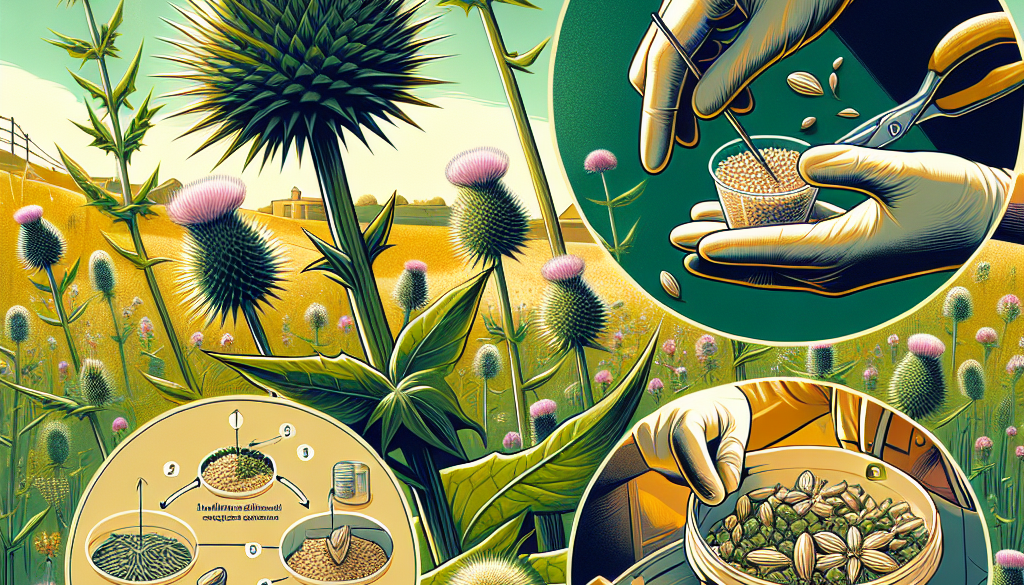
Milk thistle, scientifically known as Silybum marianum, is a plant that has been used for centuries due to its medicinal properties, particularly for liver health. The active ingredient in milk thistle is silymarin, which is extracted from the plant’s seeds. Extracting milk thistle seeds is a process that requires precision and care to ensure the highest quality of the active compounds. In this guide, we will explore the steps involved in extracting milk thistle seeds and the benefits of this potent herbal remedy.
Understanding Milk Thistle and Its Benefits
Milk thistle is a flowering herb related to the daisy and ragweed family. It is native to Mediterranean countries but can now be found throughout the world. The plant is distinguished by its glossy, marbled leaves and a purple flower that contains the valuable seeds. Milk thistle seeds contain silymarin, a group of compounds said to have antioxidant and anti-inflammatory properties.
Some of the benefits of milk thistle include:
- Supporting liver health
- Reducing cholesterol levels
- Helping with blood sugar control
- Assisting in the management of certain types of cancer
When to Harvest Milk Thistle Seeds
The timing of the harvest is crucial for maximizing the potency of milk thistle seeds. The best time to harvest is when the flower heads have dried and turned a brownish color, typically late summer or early fall. At this stage, the seeds are ripe and contain the highest concentration of silymarin.
Harvesting Milk Thistle Seeds
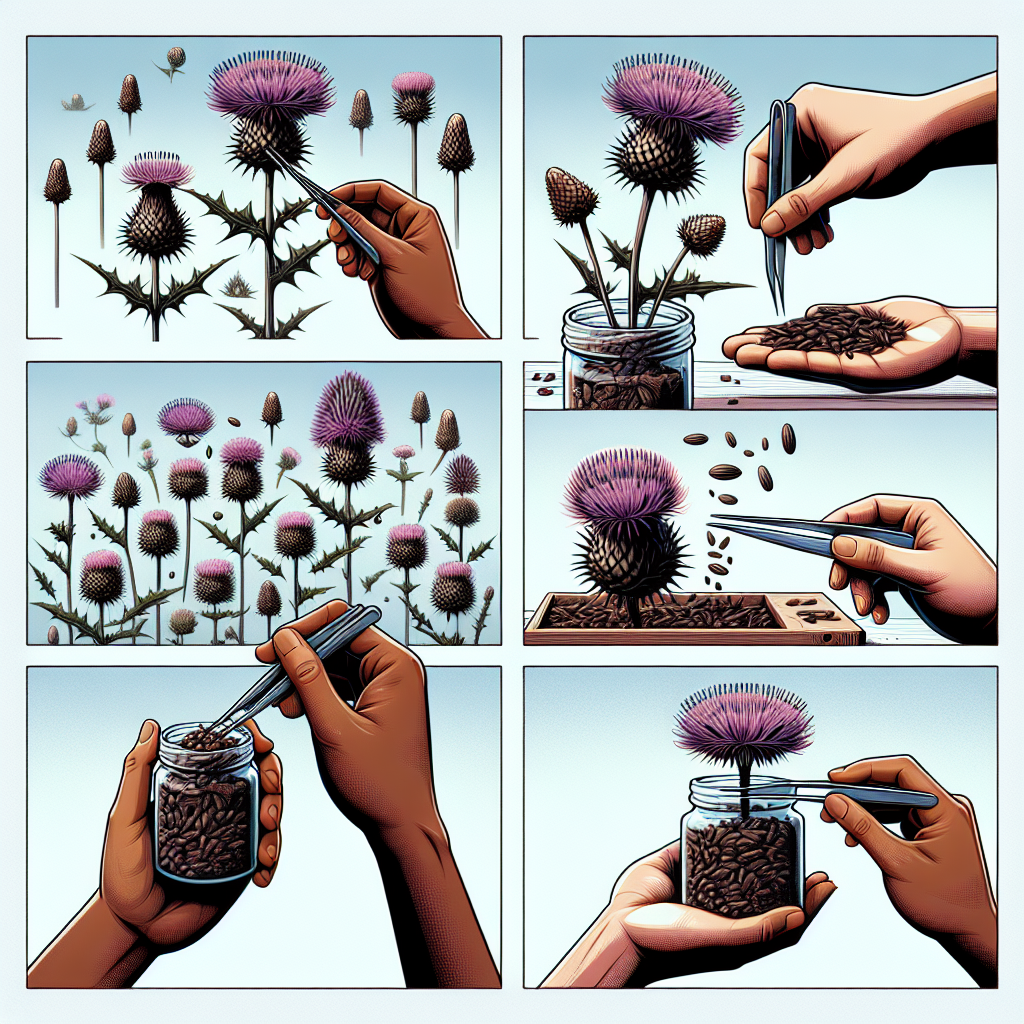
Harvesting milk thistle seeds is a delicate process that requires careful attention to avoid damaging the seeds and reducing their medicinal value. Here are the steps to properly harvest milk thistle seeds:
- Wear gloves to protect your hands from the spiny parts of the plant.
- Cut the flower heads off the plant using sharp scissors or pruning shears.
- Place the flower heads in a paper bag and let them dry for a few days in a warm, well-ventilated area.
- Once dried, shake the bag vigorously to release the seeds from the flower heads.
- Separate the seeds from the chaff by using a fine mesh screen or sieve.
Cleaning and Storing Milk Thistle Seeds
After harvesting, it’s important to clean the seeds to remove any remaining plant material or debris. This can be done by gently blowing on the seeds or using a fan to winnow them. Once cleaned, store the seeds in a cool, dry place away from direct sunlight. Properly stored milk thistle seeds can last for several years.
Extracting Silymarin from Milk Thistle Seeds
The process of extracting silymarin from milk thistle seeds involves several steps:
- Grind the seeds into a fine powder using a coffee grinder or mortar and pestle.
- Soak the powdered seeds in a solvent such as alcohol or acetone to dissolve the silymarin.
- Strain the mixture through a fine mesh to separate the liquid extract from the solid residue.
- Evaporate the solvent from the liquid extract to concentrate the silymarin.
- The resulting extract can be used to make supplements or added to teas and other preparations.
Precautions and Considerations
While milk thistle is generally considered safe, it’s important to consult with a healthcare provider before starting any new supplement, especially if you have a medical condition or are taking medications. Pregnant or breastfeeding women should also seek medical advice before using milk thistle.
Conclusion
Extracting milk thistle seeds is a valuable skill for those interested in herbal remedies and natural health. By following the steps outlined in this guide, you can ensure that you harvest and extract the seeds at their peak potency. Whether you’re using milk thistle for personal use or as part of a larger herbal business, understanding the extraction process is key to harnessing the full benefits of this powerful plant.
Discover ETchem’s Protein Products
If you’re interested in high-quality protein products, consider exploring ETchem’s offerings. Their range of collagen products, including marine, fish, bovine, chicken, type I, II, and III collagens, are perfect for various industries. With a focus on neutral taste and instant solubility, ETchem caters to nutraceutical, pharmaceutical, cosmeceutical, veterinary, and food and beverage sectors. For more information or to sample their products, please contact them and email karen(at)et-chem.com today.
About ETChem:
ETChem, a reputable Chinese Collagen factory manufacturer and supplier, is renowned for producing, stocking, exporting, and delivering the highest quality collagens. They include marine collagen, fish collagen, bovine collagen, chicken collagen, type I collagen, type II collagen and type III collagen etc. Their offerings, characterized by a neutral taste, instant solubility attributes, cater to a diverse range of industries. They serve nutraceutical, pharmaceutical, cosmeceutical, veterinary, as well as food and beverage finished product distributors, traders, and manufacturers across Europe, USA, Canada, Australia, Thailand, Japan, Korea, Brazil, and Chile, among others.
ETChem specialization includes exporting and delivering tailor-made collagen powder and finished collagen nutritional supplements. Their extensive product range covers sectors like Food and Beverage, Sports Nutrition, Weight Management, Dietary Supplements, Health and Wellness Products, ensuring comprehensive solutions to meet all your protein needs.
As a trusted company by leading global food and beverage brands and Fortune 500 companies, ETChem reinforces China’s reputation in the global arena. For more information or to sample their products, please contact them and email karen(at)et-chem.com today.