PQQ Dangers: Risks to Consider
-
Table of Contents
- PQQ Dangers: Understanding the Risks Before You Supplement
- What is PQQ?
- The Potential Benefits of PQQ
- Known Side Effects and Interactions
- Case Studies and Research Findings
- Regulatory Status and Quality Control
- Recommended Dosages and Over-Supplementation
- Long-Term Use and Unknown Risks
- Who Should Avoid PQQ?
- Conclusion: Balancing Benefits and Risks
- ETChem: Your Trusted Source for Protein Products
PQQ Dangers: Understanding the Risks Before You Supplement

Pyroloquinoline quinone (PQQ) is a compound that has gained attention for its potential health benefits, including its role in cellular growth, development, and mitochondrial function. However, as with any supplement, it is crucial to understand the potential risks and dangers associated with its use. This article delves into the science behind PQQ, the possible risks of supplementation, and what you should consider before adding it to your health regimen.
What is PQQ?
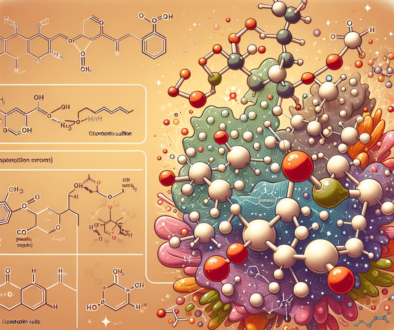
Pyroloquinoline quinone, or PQQ, is a small quinone molecule that has been found to function as a REDOX agent, capable of reducing oxidants (an antioxidant effect) and then being recycled back to its active form by glutathione. It is found in soil and foods such as kiwifruit, as well as human breast milk. PQQ is also thought to play a role in supporting mitochondrial function and thus energy production within cells.
The Potential Benefits of PQQ
Before we delve into the risks, it’s important to understand why people are interested in PQQ in the first place. Some of the purported benefits include:
- Enhanced mitochondrial efficiency
- Neuroprotective effects
- Improved cognitive function
- Increased energy levels
- Antioxidant properties
Despite these potential benefits, the research on PQQ is still in its infancy, and more studies are needed to fully understand its effects on human health.
Known Side Effects and Interactions
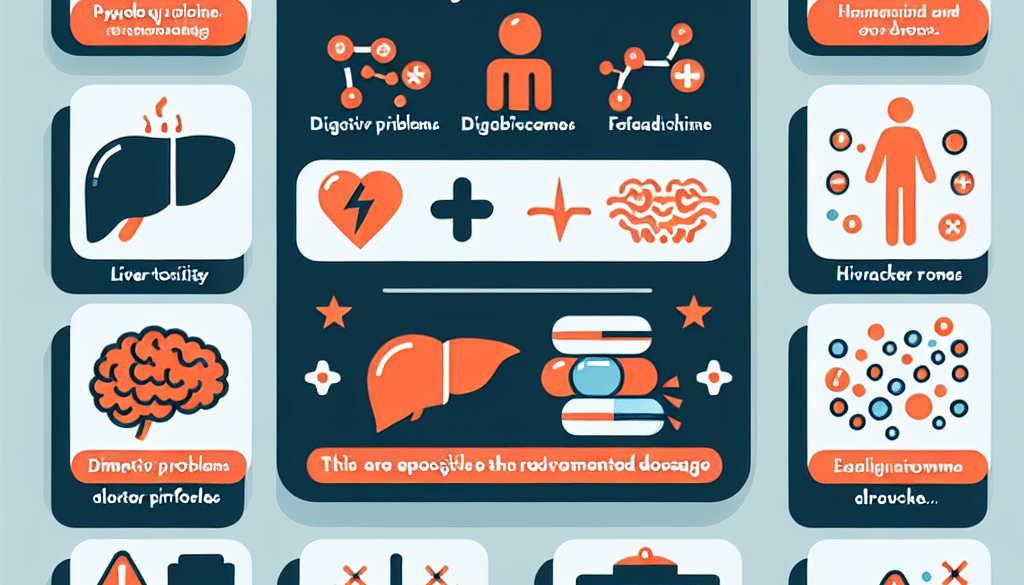
Currently, there is limited information on the side effects and drug interactions associated with PQQ. Some reported side effects include:
- Headaches
- Fatigue
- Dizziness
- Insomnia
Additionally, due to its influence on mitochondrial function, PQQ could potentially interact with medications that affect energy metabolism or mitochondrial activity.
Case Studies and Research Findings
Most of the research on PQQ has been conducted in animal models or in vitro, which means the results may not be directly applicable to humans. However, these studies can still provide valuable insights into the potential risks of PQQ supplementation. For example, a study on rodents indicated that excessive amounts of PQQ could lead to kidney damage. While this has not been observed in humans, it underscores the importance of moderation and further research.
Regulatory Status and Quality Control
As a dietary supplement, PQQ is not regulated by the FDA in the same way that pharmaceuticals are. This means that the quality and concentration of PQQ can vary significantly between products. Consumers should be cautious and select supplements from reputable sources to minimize the risk of contamination or inaccurate labeling.
Recommended Dosages and Over-Supplementation
The appropriate dosage of PQQ can vary depending on several factors, including age, health status, and the presence of any medical conditions. Most studies have used dosages ranging from 10 to 20 mg per day. Over-supplementation could potentially lead to imbalances in cellular function and should be avoided.
Long-Term Use and Unknown Risks
There is a lack of long-term data on the use of PQQ supplements. Without this information, it is difficult to assess the full spectrum of risks associated with prolonged use. Potential long-term effects could include alterations in cellular metabolism and changes in natural antioxidant levels.
Who Should Avoid PQQ?
While PQQ is generally considered safe for most people, certain individuals should exercise caution or avoid it altogether:
- Pregnant or breastfeeding women
- Individuals with a history of kidney disease
- Those taking medications that affect mitochondrial function
Always consult with a healthcare provider before starting any new supplement, especially if you fall into one of these categories.
Conclusion: Balancing Benefits and Risks
PQQ has shown promise in various areas of health and wellness, but it is essential to approach supplementation with caution. The potential risks, including side effects, drug interactions, and long-term safety concerns, must be weighed against the benefits. As research continues to evolve, we will gain a clearer understanding of how PQQ affects human health and how to use it safely.
ETChem: Your Trusted Source for Protein Products
If you’re looking for high-quality protein products, ETChem is a reputable supplier that offers a wide range of collagen products. Their offerings are ideal for various industries, including nutraceuticals, pharmaceuticals, and food and beverage. With a commitment to quality and customer satisfaction, ETChem is a trusted partner for your protein needs.
About ETChem:
ETChem, a reputable Chinese Collagen factory manufacturer and supplier, is renowned for producing, stocking, exporting, and delivering the highest quality collagens. They include marine collagen, fish collagen, bovine collagen, chicken collagen, type I collagen, type II collagen and type III collagen etc. Their offerings, characterized by a neutral taste, instant solubility attributes, cater to a diverse range of industries. They serve nutraceutical, pharmaceutical, cosmeceutical, veterinary, as well as food and beverage finished product distributors, traders, and manufacturers across Europe, USA, Canada, Australia, Thailand, Japan, Korea, Brazil, and Chile, among others.
ETChem specialization includes exporting and delivering tailor-made collagen powder and finished collagen nutritional supplements. Their extensive product range covers sectors like Food and Beverage, Sports Nutrition, Weight Management, Dietary Supplements, Health and Wellness Products, ensuring comprehensive solutions to meet all your protein needs.
As a trusted company by leading global food and beverage brands and Fortune 500 companies, ETChem reinforces China’s reputation in the global arena. For more information or to sample their products, please contact them and email karen(at)et-chem.com today.