Alpha Lipoic Acid Dosage for Skin Health
-
Table of Contents
- Alpha Lipoic Acid Dosage for Optimal Skin Health
- Understanding Alpha Lipoic Acid
- Benefits of Alpha Lipoic Acid for Skin
- Recommended Dosage of Alpha Lipoic Acid for Skin Health
- Topical Application
- Oral Supplementation
- Factors Influencing Dosage
- Case Studies and Research
- Side Effects and Precautions
- Conclusion: Finding Your Ideal Alpha Lipoic Acid Dosage
- Discover ETchem’s Protein Products for Skin Health
Alpha Lipoic Acid Dosage for Optimal Skin Health
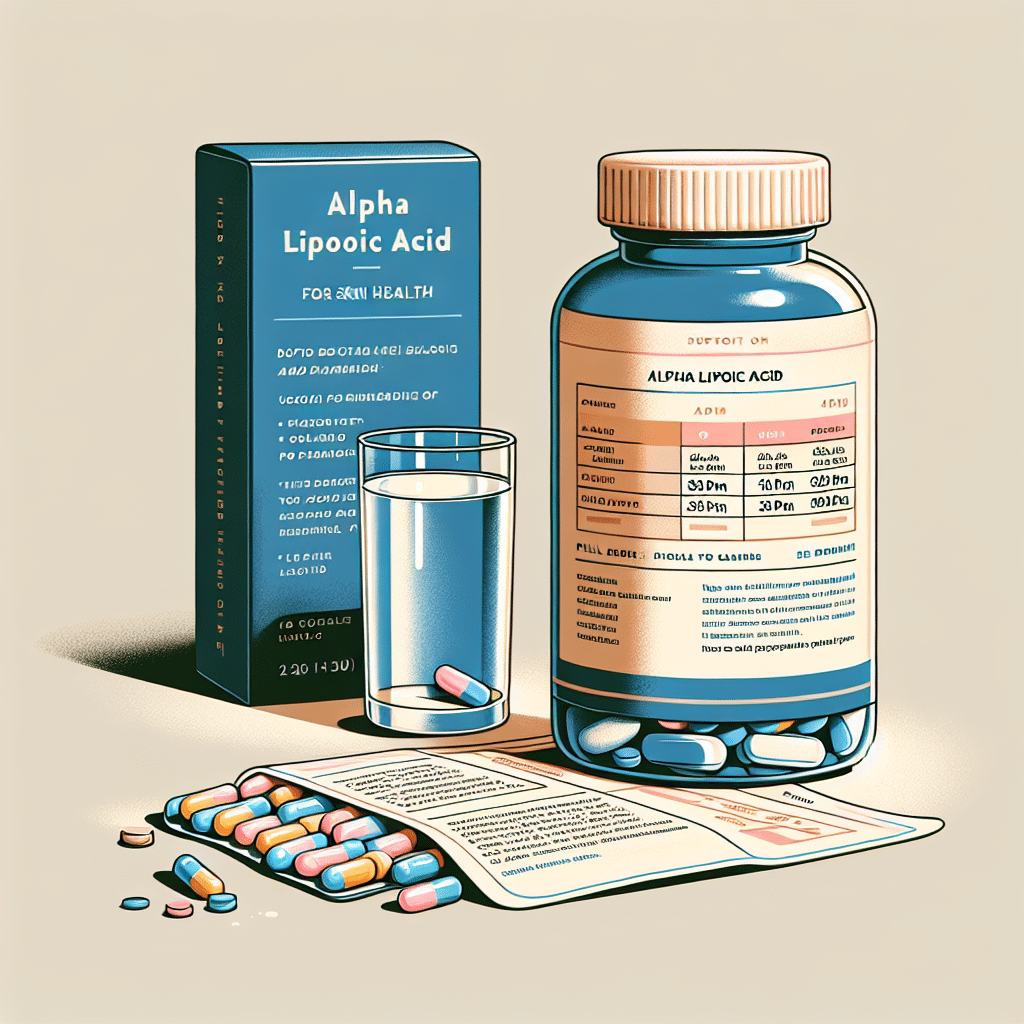
Alpha Lipoic Acid (ALA) is a naturally occurring compound that’s gained significant attention for its potential benefits in skin care. As an antioxidant, ALA is known for its ability to fight free radicals, reduce inflammation, and improve skin texture and tone. However, determining the right dosage for skin health can be challenging, as it depends on various factors including the individual’s skin type, the severity of skin issues, and the form of ALA being used. This article delves into the recommended dosages of ALA for skin health, supported by scientific research and expert opinions.
Understanding Alpha Lipoic Acid
Before discussing the optimal dosage, it’s important to understand what Alpha Lipoic Acid is and how it benefits the skin. ALA is a fatty acid found in every cell of the body, and it’s essential for energy production. It’s both water and fat-soluble, which allows it to work in every cell or tissue in the body. In terms of skin health, ALA’s antioxidant properties help to neutralize free radicals that can lead to signs of aging and skin damage.
Benefits of Alpha Lipoic Acid for Skin
- Reduces the appearance of fine lines and wrinkles
- Diminishes pore size and skin roughness
- Improves skin texture and tone
- Helps to regenerate other antioxidants like Vitamin C and E
- Reduces inflammation and redness
Recommended Dosage of Alpha Lipoic Acid for Skin Health
The dosage of Alpha Lipoic Acid for skin health can vary depending on the form of ALA (oral supplement or topical cream) and the specific skin concern being addressed. Here’s a breakdown of the recommended dosages:
Topical Application
For topical applications, ALA is often found in creams and serums. The concentration can range from 0.5% to 5%. Studies have shown that even at lower concentrations, ALA can be effective. However, it’s generally recommended to start with a lower concentration to assess skin tolerance before moving to a higher strength.
Oral Supplementation
When it comes to oral supplements, the typical dosage ranges from 50 to 600 mg per day. It’s advisable to start with a lower dose and gradually increase it to minimize the risk of side effects. Some studies have used doses as high as 1,800 mg per day for certain conditions, but for skin health, sticking to the lower end of the spectrum is often sufficient.
Factors Influencing Dosage
The right dosage of ALA for skin health can also depend on several factors:
- Age: Older individuals may require a higher dose due to decreased natural production of ALA.
- Skin Condition: More severe skin damage may necessitate a higher dosage.
- Formulation: The form of ALA (stabilized or not) can affect absorption and efficacy.
- Individual Health: Overall health and the presence of other medical conditions can influence the appropriate dosage.
Case Studies and Research
Several studies have highlighted the benefits of ALA for skin health. For instance, a study published in the “Journal of Investigative Dermatology” found that topical application of ALA led to a significant reduction in skin roughness and fine lines. Another study in “Diabetes Care” showed that oral supplementation of ALA improved symptoms of diabetic neuropathy, which suggests its potent antioxidant effects.
Side Effects and Precautions
While ALA is generally considered safe, there are potential side effects, especially at higher doses. These can include skin rash, itching, or gastrointestinal discomfort. It’s also important to note that ALA can lower blood sugar levels, so individuals with diabetes should monitor their blood sugar closely and consult with a healthcare provider before starting supplementation.
Conclusion: Finding Your Ideal Alpha Lipoic Acid Dosage
In conclusion, Alpha Lipoic Acid can be a powerful ally for maintaining skin health. The optimal dosage for skin health typically ranges from 50 to 600 mg per day for oral supplements and 0.5% to 5% for topical products. It’s essential to consider individual factors and start with a lower dose to ensure tolerance. As with any supplement, it’s best to consult with a healthcare provider before beginning an ALA regimen.
Discover ETchem’s Protein Products for Skin Health
In addition to considering supplements like Alpha Lipoic Acid, incorporating high-quality protein products into your skincare routine can also contribute to healthier, more resilient skin. ETchem offers a range of premium collagen products that can complement your skin health regimen.
About ETChem:
ETChem, a reputable Chinese Collagen factory manufacturer and supplier, is renowned for producing, stocking, exporting, and delivering the highest quality collagens. They include marine collagen, fish collagen, bovine collagen, chicken collagen, type I collagen, type II collagen and type III collagen etc. Their offerings, characterized by a neutral taste, instant solubility attributes, cater to a diverse range of industries. They serve nutraceutical, pharmaceutical, cosmeceutical, veterinary, as well as food and beverage finished product distributors, traders, and manufacturers across Europe, USA, Canada, Australia, Thailand, Japan, Korea, Brazil, and Chile, among others.
ETChem specialization includes exporting and delivering tailor-made collagen powder and finished collagen nutritional supplements. Their extensive product range covers sectors like Food and Beverage, Sports Nutrition, Weight Management, Dietary Supplements, Health and Wellness Products, ensuring comprehensive solutions to meet all your protein needs.
As a trusted company by leading global food and beverage brands and Fortune 500 companies, ETChem reinforces China’s reputation in the global arena. For more information or to sample their products, please contact them and email karen(at)et-chem.com today.