Alpha Lipoic Acid Storage Conditions Guide
-
Table of Contents
- Alpha Lipoic Acid Storage Conditions: A Comprehensive Guide
- Understanding Alpha Lipoic Acid
- Optimal Storage Conditions for Alpha Lipoic Acid
- Shelf Life and Expiration of Alpha Lipoic Acid
- Special Considerations for Bulk Storage
- Impact of Improper Storage on Alpha Lipoic Acid
- Best Practices for Consumers
- Conclusion: Ensuring Alpha Lipoic Acid’s Integrity
- Discover ETChem’s Premium Protein Products
Alpha Lipoic Acid Storage Conditions: A Comprehensive Guide
Alpha Lipoic Acid (ALA) is a naturally occurring compound that’s vital for cellular energy production and offers powerful antioxidant properties. It is used in various health supplements and pharmaceuticals to support metabolic processes and provide neuroprotective benefits. However, maintaining the integrity and efficacy of ALA is crucial, which is highly dependent on proper storage conditions. This guide will delve into the best practices for storing Alpha Lipoic Acid to ensure its stability and effectiveness.
Understanding Alpha Lipoic Acid
Before we explore storage conditions, it’s important to understand what Alpha Lipoic Acid is and why its proper storage is critical. ALA is both water and fat-soluble, which allows it to work in every cell or tissue in the body. However, this unique solubility also makes ALA sensitive to certain storage conditions.
Optimal Storage Conditions for Alpha Lipoic Acid
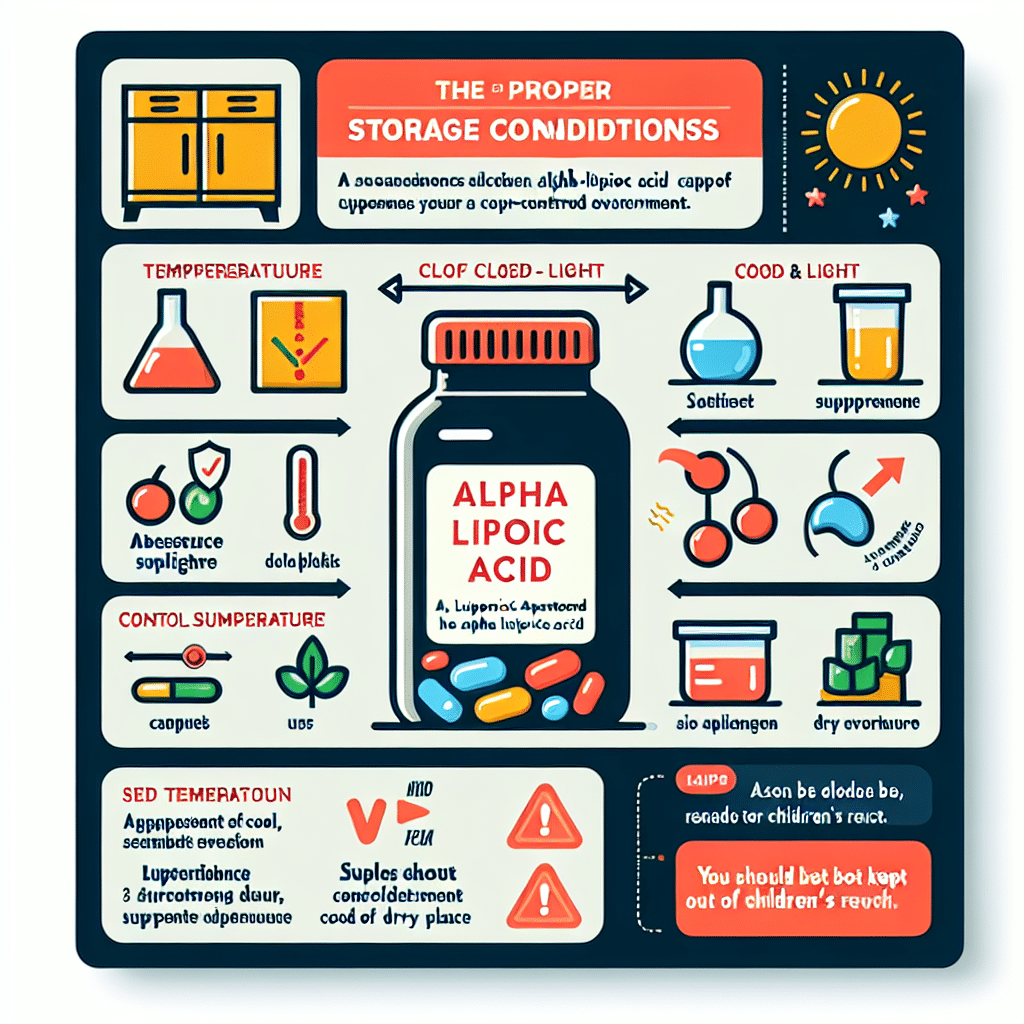
To maintain the stability and potency of ALA, it’s essential to adhere to the following storage guidelines:
- Temperature Control: ALA should be stored in a cool, dry place. Extreme temperatures can degrade the compound, so it’s best to avoid storing it in places that may experience temperature fluctuations, such as near windows or heating and cooling vents.
- Moisture Avoidance: Moisture can lead to the degradation of ALA. It’s crucial to keep it in an airtight container to prevent exposure to humidity.
- Light Protection: Exposure to light, especially sunlight, can degrade ALA. It should be stored in opaque or dark-colored containers to minimize light exposure.
- Air Exposure: Oxygen can also affect the stability of ALA. Containers should be sealed tightly after each use.
Shelf Life and Expiration of Alpha Lipoic Acid
Understanding the shelf life of ALA is important for ensuring you’re using a potent product. Typically, ALA can last for about two years if stored correctly. Always check the expiration date on your product and follow the manufacturer’s storage recommendations.
Special Considerations for Bulk Storage
For manufacturers and suppliers who store ALA in bulk, additional considerations are necessary:
- Climate-Controlled Environments: Large quantities of ALA should be kept in climate-controlled environments to maintain a consistent temperature and humidity level.
- Inventory Management: Implementing a first-in, first-out inventory system ensures that older products are used before they approach their expiration date.
- Professional Packaging: Bulk ALA should be packaged using materials that protect against moisture, light, and air. Vacuum-sealing and nitrogen flushing are common practices.
Impact of Improper Storage on Alpha Lipoic Acid
Improper storage can lead to several issues, including:
- Reduced Efficacy: ALA may lose its potency, rendering it less effective or entirely ineffective.
- Increased Risk of Contamination: Moisture can lead to mold or bacterial growth, which can contaminate the ALA.
- Chemical Degradation: Exposure to adverse conditions can cause ALA to break down into other compounds, which may not have the desired health benefits and could potentially be harmful.
Best Practices for Consumers
Consumers should also follow best practices to ensure the ALA supplements they purchase remain effective:
- Proper Handling: Handle ALA containers with clean, dry hands and close them immediately after use.
- Storage After Opening: Once opened, ALA supplements should be consumed within a reasonable time frame to maintain their potency.
- Purchasing from Reputable Sources: Buy ALA products from reputable suppliers who follow good manufacturing practices to ensure product quality.
Conclusion: Ensuring Alpha Lipoic Acid’s Integrity
In conclusion, the proper storage of Alpha Lipoic Acid is paramount for preserving its quality and therapeutic benefits. By following the storage conditions outlined in this guide, both consumers and suppliers can ensure that ALA remains stable and effective. Remember to store ALA in a cool, dry, and dark place, tightly sealed to protect it from moisture, light, and air. Adhering to these guidelines will help maximize the shelf life and efficacy of your Alpha Lipoic Acid products.
Discover ETChem’s Premium Protein Products
If you’re interested in high-quality protein supplements, consider exploring ETChem’s range of protein products. ETChem is a trusted manufacturer and supplier of various types of collagen, catering to the needs of industries such as nutraceuticals, pharmaceuticals, cosmeceuticals, and food and beverage. Their products are known for their neutral taste and instant solubility, making them an excellent choice for your protein needs.
About ETChem:
ETChem, a reputable Chinese Collagen factory manufacturer and supplier, is renowned for producing, stocking, exporting, and delivering the highest quality collagens. They include marine collagen, fish collagen, bovine collagen, chicken collagen, type I collagen, type II collagen and type III collagen etc. Their offerings, characterized by a neutral taste, instant solubility attributes, cater to a diverse range of industries. They serve nutraceutical, pharmaceutical, cosmeceutical, veterinary, as well as food and beverage finished product distributors, traders, and manufacturers across Europe, USA, Canada, Australia, Thailand, Japan, Korea, Brazil, and Chile, among others.
ETChem specialization includes exporting and delivering tailor-made collagen powder and finished collagen nutritional supplements. Their extensive product range covers sectors like Food and Beverage, Sports Nutrition, Weight Management, Dietary Supplements, Health and Wellness Products, ensuring comprehensive solutions to meet all your protein needs.
As a trusted company by leading global food and beverage brands and Fortune 500 companies, ETChem reinforces China’s reputation in the global arena. For more information or to sample their products, please contact them and email karen(at)et-chem.com today.