Berberine Hydrochloride Structure: Chemical Details
-
Table of Contents
- Berberine Hydrochloride: Unveiling Its Chemical Structure and Details
- Introduction to Berberine Hydrochloride
- Chemical Structure of Berberine Hydrochloride
- Pharmacological Properties of Berberine Hydrochloride
- Research and Case Studies on Berberine Hydrochloride
- Challenges and Considerations in Using Berberine Hydrochloride
- Conclusion: The Significance of Berberine Hydrochloride’s Chemical Structure
- Discover ETchem’s Protein Products
Berberine Hydrochloride: Unveiling Its Chemical Structure and Details
Berberine hydrochloride, a compound extracted from various plants used in traditional Chinese medicine, has garnered significant attention for its potential therapeutic benefits. This article delves into the chemical structure of berberine hydrochloride, exploring its unique properties and the implications for its use in various health applications. By understanding its chemical makeup, researchers and healthcare professionals can better appreciate how berberine hydrochloride functions at a molecular level and its potential impact on human health.
Introduction to Berberine Hydrochloride
Berberine hydrochloride is an alkaloid derived from plants such as Berberis vulgaris (barberry), Coptis chinensis (Chinese goldthread), and Hydrastis canadensis (goldenseal). It has been used for centuries in traditional medicine systems for its antimicrobial, anti-inflammatory, and anti-diabetic properties. The focus on berberine hydrochloride has increased in the scientific community due to its potential to treat a wide range of conditions.
Chemical Structure of Berberine Hydrochloride
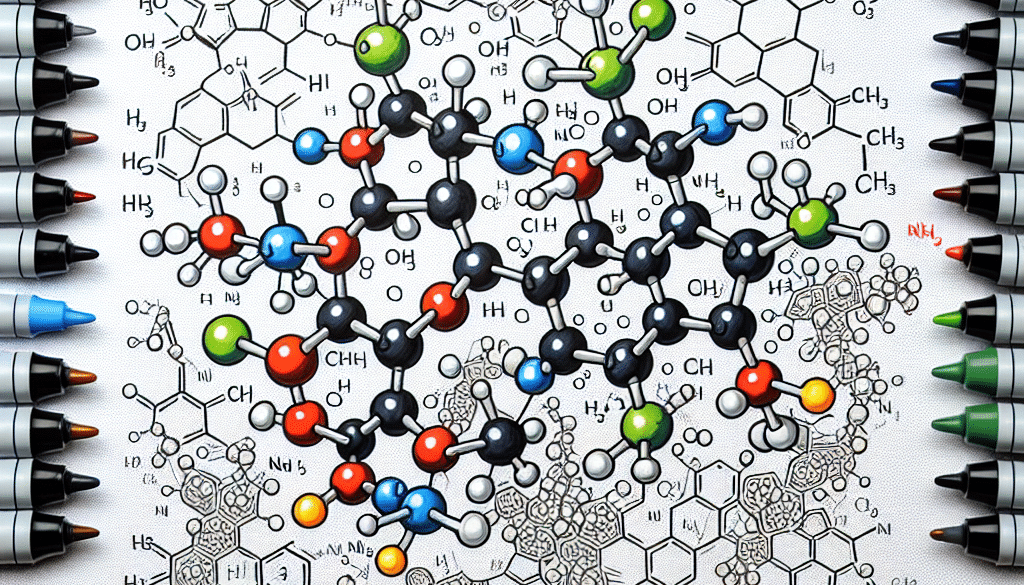
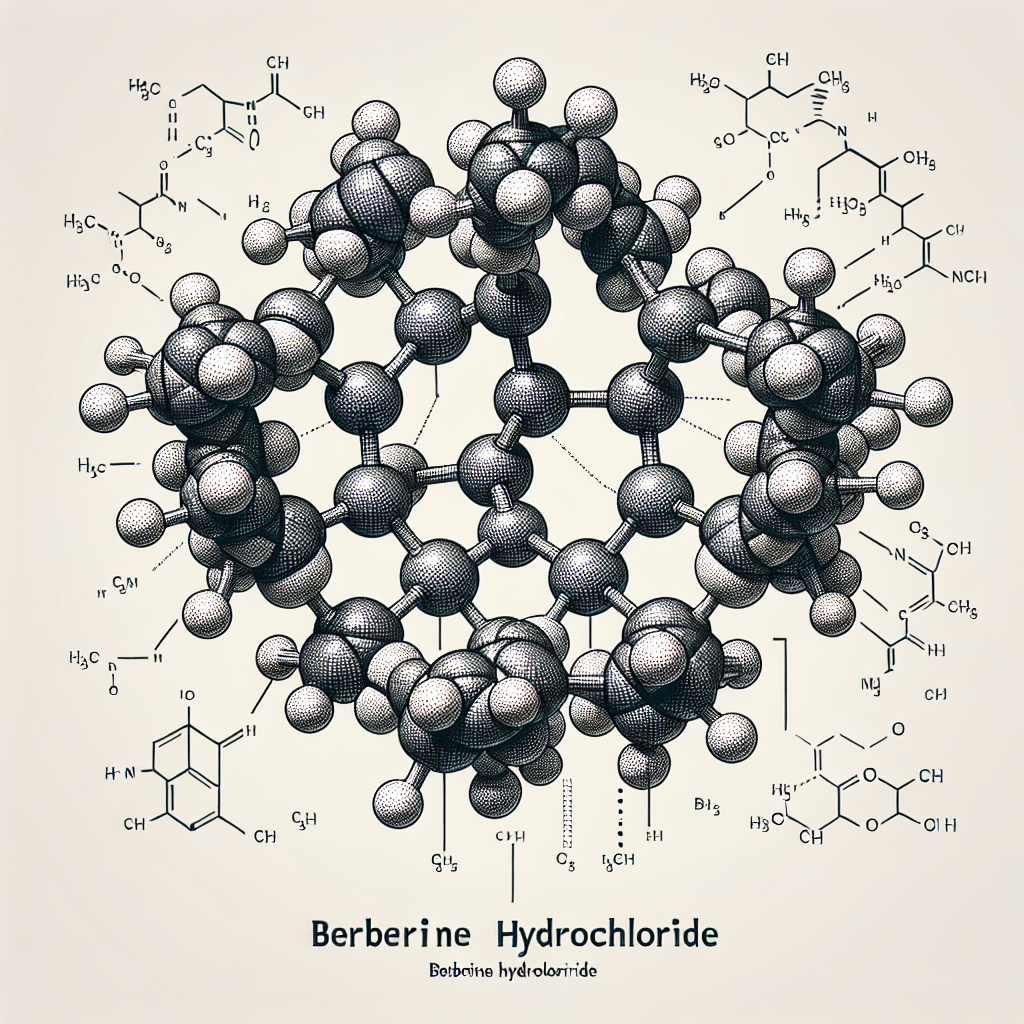
The chemical structure of berberine hydrochloride is the key to its biological activity. It is a quaternary ammonium salt of the natural plant alkaloid berberine with the chemical formula C20H18NO4+·Cl−. The structure consists of an isoquinoline ring system, which is a bicyclic aromatic compound that contains a nitrogen atom. This core structure is linked to a methylenedioxyphenyl group and a substituted phenyl group.
- Isoquinoline Alkaloid Backbone: The isoquinoline alkaloid backbone is responsible for the basic nature of berberine and its ability to interact with various biological targets.
- Methylenedioxyphenyl Group: This functional group contributes to the molecule’s antioxidant properties and plays a role in its interaction with biological macromolecules.
- Substituted Phenyl Group: The substitutions on the phenyl ring influence the pharmacokinetics of berberine, affecting its absorption, distribution, metabolism, and excretion.
The hydrochloride salt form enhances the solubility of berberine in water, making it more bioavailable for therapeutic use. The positive charge on the nitrogen atom allows berberine to easily penetrate cell membranes and interact with intracellular targets.
Pharmacological Properties of Berberine Hydrochloride
Berberine hydrochloride’s chemical structure underpins its diverse pharmacological properties. It has been shown to have a broad spectrum of biological activities, including:
- Antimicrobial Activity: Berberine can inhibit the growth of bacteria, viruses, fungi, and parasites.
- Anti-inflammatory Effects: It modulates inflammatory pathways, reducing the production of pro-inflammatory cytokines.
- Antidiabetic Action: Berberine activates AMP-activated protein kinase (AMPK), which improves insulin sensitivity and glucose metabolism.
- Cardiovascular Benefits: It has been found to reduce cholesterol levels and improve heart health.
- Anticancer Potential: Berberine can induce apoptosis and inhibit the proliferation of various cancer cells.
These effects are attributed to berberine’s ability to interact with multiple molecular targets, including DNA, enzymes, and cell receptors, due to its unique chemical structure.
Research and Case Studies on Berberine Hydrochloride
Several studies have highlighted the therapeutic potential of berberine hydrochloride. For instance, a study published in the “Journal of Clinical Endocrinology & Metabolism” demonstrated that berberine could significantly reduce blood glucose levels in patients with type 2 diabetes. Another study in the “European Journal of Pharmacology” showed that berberine’s cardiovascular benefits might be due to its ability to inhibit the oxidation of low-density lipoprotein (LDL) cholesterol.
Case studies have also reported the successful use of berberine hydrochloride in treating gastrointestinal infections and metabolic syndrome, showcasing its versatility as a therapeutic agent.
Challenges and Considerations in Using Berberine Hydrochloride
Despite its promising benefits, there are challenges associated with the use of berberine hydrochloride. One of the main issues is its relatively poor oral bioavailability, which can limit its effectiveness. Researchers are exploring various formulations and delivery methods to enhance its absorption and bioavailability.
Additionally, berberine hydrochloride can interact with certain medications, and its use should be monitored in patients with pre-existing medical conditions. It is crucial for healthcare providers to consider these factors when recommending berberine hydrochloride as a treatment option.
Conclusion: The Significance of Berberine Hydrochloride’s Chemical Structure
The chemical structure of berberine hydrochloride is a testament to nature’s complexity and its potential to yield compounds with significant therapeutic value. Understanding the intricate details of its structure has allowed scientists to unravel the mechanisms behind its pharmacological effects and to continue exploring its potential in treating various health conditions. As research progresses, berberine hydrochloride may become an even more integral part of modern medicine, offering a natural alternative or complement to conventional treatments.
Discover ETchem’s Protein Products
In the realm of health and wellness, proteins play a crucial role, and ETchem is at the forefront of providing high-quality protein products. ETchem’s extensive range of collagen products, including marine, fish, bovine, chicken, and various types of collagen, are designed to meet the diverse needs of industries such as nutraceuticals, pharmaceuticals, cosmeceuticals, and food and beverage.
For those interested in incorporating premium protein supplements into their health regimen or product line, ETchem offers tailor-made solutions that stand out for their neutral taste and instant solubility. To explore ETchem’s offerings and how they can enhance your health or business, please reach out to them for more information or to request samples.
About ETChem:
ETChem, a reputable Chinese Collagen factory manufacturer and supplier, is renowned for producing, stocking, exporting, and delivering the highest quality collagens. They include marine collagen, fish collagen, bovine collagen, chicken collagen, type I collagen, type II collagen and type III collagen etc. Their offerings, characterized by a neutral taste, instant solubility attributes, cater to a diverse range of industries. They serve nutraceutical, pharmaceutical, cosmeceutical, veterinary, as well as food and beverage finished product distributors, traders, and manufacturers across Europe, USA, Canada, Australia, Thailand, Japan, Korea, Brazil, and Chile, among others.
ETChem specialization includes exporting and delivering tailor-made collagen powder and finished collagen nutritional supplements. Their extensive product range covers sectors like Food and Beverage, Sports Nutrition, Weight Management, Dietary Supplements, Health and Wellness Products, ensuring comprehensive solutions to meet all your protein needs.
As a trusted company by leading global food and beverage brands and Fortune 500 companies, ETChem reinforces China’s reputation in the global arena. For more information or to sample their products, please contact them and email karen(at)et-chem.com today.