Breast-feeding vs Formula-feeding for Iodine Status – Is There a Difference?
-
Table of Contents
- Breastfeeding vs. Formula-Feeding: Comparing Iodine Status in Infants
- The Importance of Iodine in Early Development
- Breastfeeding and Iodine Status
- Formula-Feeding and Iodine Status
- Comparing Breastfeeding and Formula-Feeding for Iodine Status
- Case Studies and Statistics
- Conclusion: Balancing Breastfeeding and Iodine Intake
- ETChem’s Protein Products for Maternal and Infant Nutrition
Breastfeeding vs. Formula-Feeding: Comparing Iodine Status in Infants
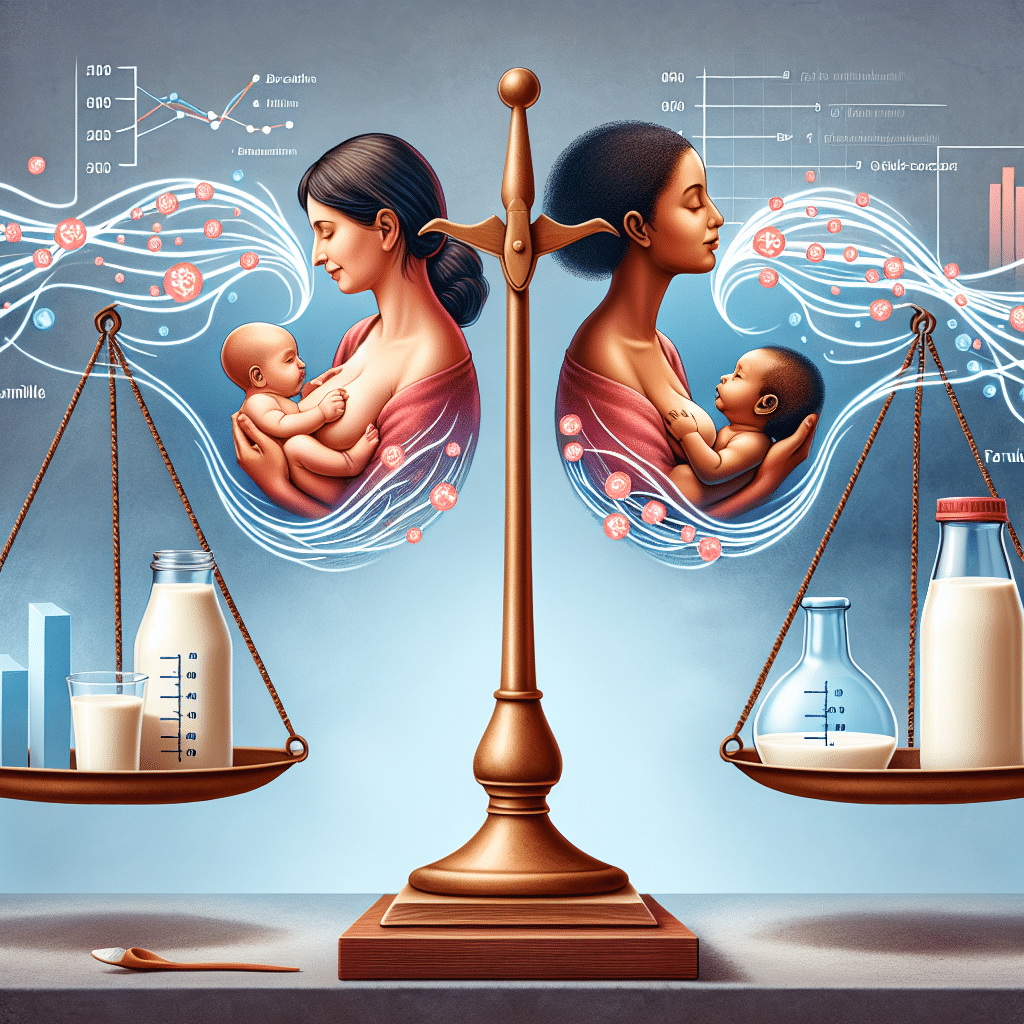
When it comes to infant nutrition, the debate between breastfeeding and formula-feeding is one that has persisted for decades. While both methods have their advantages and disadvantages, one aspect that often gets overlooked is the impact on an infant’s iodine status. Iodine is a critical micronutrient required for the production of thyroid hormones, which are essential for growth, brain development, and metabolism. This article delves into the differences between breastfeeding and formula-feeding in terms of iodine status in infants, supported by scientific research and statistics.
The Importance of Iodine in Early Development
Iodine is vital for the proper development of the brain and body. During infancy, adequate iodine intake is crucial for neurodevelopment and the prevention of cognitive impairments. The World Health Organization (WHO) recommends a daily intake of 90 micrograms of iodine for infants up to 6 months of age, and 110 micrograms for those between 7 and 12 months.
Breastfeeding and Iodine Status
Breast milk is considered the gold standard for infant nutrition, providing a balance of nutrients, antibodies, and hormones that are beneficial for growth and development. The iodine content in breast milk is directly influenced by the mother’s iodine intake and her thyroid function. Studies have shown that when mothers have adequate iodine nutrition, breast milk typically contains sufficient levels of iodine to meet the infant’s needs.
- Maternal diet and iodine supplementation can affect breast milk iodine content.
- Exclusive breastfeeding without additional iodine sources may lead to deficiencies in regions where iodine intake is low.
- Monitoring and supporting maternal iodine status is crucial for breastfeeding success.
Formula-Feeding and Iodine Status
Infant formulas are designed to mimic breast milk and are fortified with vitamins and minerals, including iodine. The iodine content in formula is regulated and standardized, ensuring that infants who are formula-fed receive a consistent amount of iodine. However, the bioavailability of iodine from formula can vary depending on the source of the iodine and the other components of the formula.
- Formula-fed infants generally receive a consistent intake of iodine.
- The bioavailability of iodine in formula can be influenced by the formula’s composition.
- Regulations ensure that formula contains adequate levels of iodine to meet infant needs.
Comparing Breastfeeding and Formula-Feeding for Iodine Status
Several studies have compared the iodine status of breastfed and formula-fed infants. The results are mixed, with some studies indicating that breastfed infants may have lower iodine levels than formula-fed infants, especially in areas where iodine deficiency is common. Other research suggests that when maternal iodine intake is sufficient, breastfed infants have adequate iodine status.
- Research shows mixed results on the iodine status of breastfed versus formula-fed infants.
- Geographical location and maternal diet play significant roles in determining iodine status in breastfed infants.
- Formula-fed infants tend to have more uniform iodine levels due to standardization.
Case Studies and Statistics
Case studies from various regions of the world provide insight into the impact of breastfeeding and formula-feeding on iodine status. For example, a study conducted in Europe found that in areas with adequate iodine fortification, both breastfed and formula-fed infants had similar iodine status. Conversely, in regions with high rates of iodine deficiency, breastfed infants were more likely to have insufficient iodine levels compared to their formula-fed counterparts.
- Case studies highlight the regional differences in iodine status among infants.
- Statistics show that iodine deficiency is still a concern in many parts of the world.
- Public health initiatives aimed at improving iodine status have had varying degrees of success.
Conclusion: Balancing Breastfeeding and Iodine Intake
In conclusion, both breastfeeding and formula-feeding can provide adequate iodine to infants, but the key is ensuring that either the maternal diet (in the case of breastfeeding) or the infant formula (in the case of formula-feeding) contains sufficient levels of this essential nutrient. Health professionals should guide parents on the importance of iodine and monitor the iodine status of both mothers and infants to prevent deficiencies. Ultimately, the choice between breastfeeding and formula-feeding should be made based on individual circumstances, with a focus on maintaining optimal iodine status for healthy infant development.
ETChem’s Protein Products for Maternal and Infant Nutrition
For mothers seeking to enhance their iodine intake through diet, ETChem’s protein products offer a valuable addition. Their high-quality collagen supplements can be an integral part of a balanced diet that supports thyroid health and, consequently, iodine levels in breast milk. ETChem’s commitment to purity and quality ensures that mothers can trust the supplements they take during this critical period of infant development.
About ETChem:
ETChem, a reputable Chinese Collagen factory manufacturer and supplier, is renowned for producing, stocking, exporting, and delivering the highest quality collagens. They include marine collagen, fish collagen, bovine collagen, chicken collagen, type I collagen, type II collagen and type III collagen etc. Their offerings, characterized by a neutral taste, instant solubility attributes, cater to a diverse range of industries. They serve nutraceutical, pharmaceutical, cosmeceutical, veterinary, as well as food and beverage finished product distributors, traders, and manufacturers across Europe, USA, Canada, Australia, Thailand, Japan, Korea, Brazil, and Chile, among others.
ETChem specialization includes exporting and delivering tailor-made collagen powder and finished collagen nutritional supplements. Their extensive product range covers sectors like Food and Beverage, Sports Nutrition, Weight Management, Dietary Supplements, Health and Wellness Products, ensuring comprehensive solutions to meet all your protein needs.
As a trusted company by leading global food and beverage brands and Fortune 500 companies, ETChem reinforces China’s reputation in the global arena. For more information or to sample their products, please contact them and email karen(at)et-chem.com today.