Difference Between CBD and CBC Explained
-
Table of Contents
- CBD vs. CBC Explained: Understanding the Differences
- What is CBD?
- What is CBC?
- Chemical Structure and Interaction with the Endocannabinoid System
- Therapeutic Applications and Research
- CBD Research and Applications
- CBC Research and Applications
- Legal Status and Availability
- Conclusion: Key Takeaways on CBD vs. CBC
- Discover ETChem’s Protein Products
CBD vs. CBC Explained: Understanding the Differences
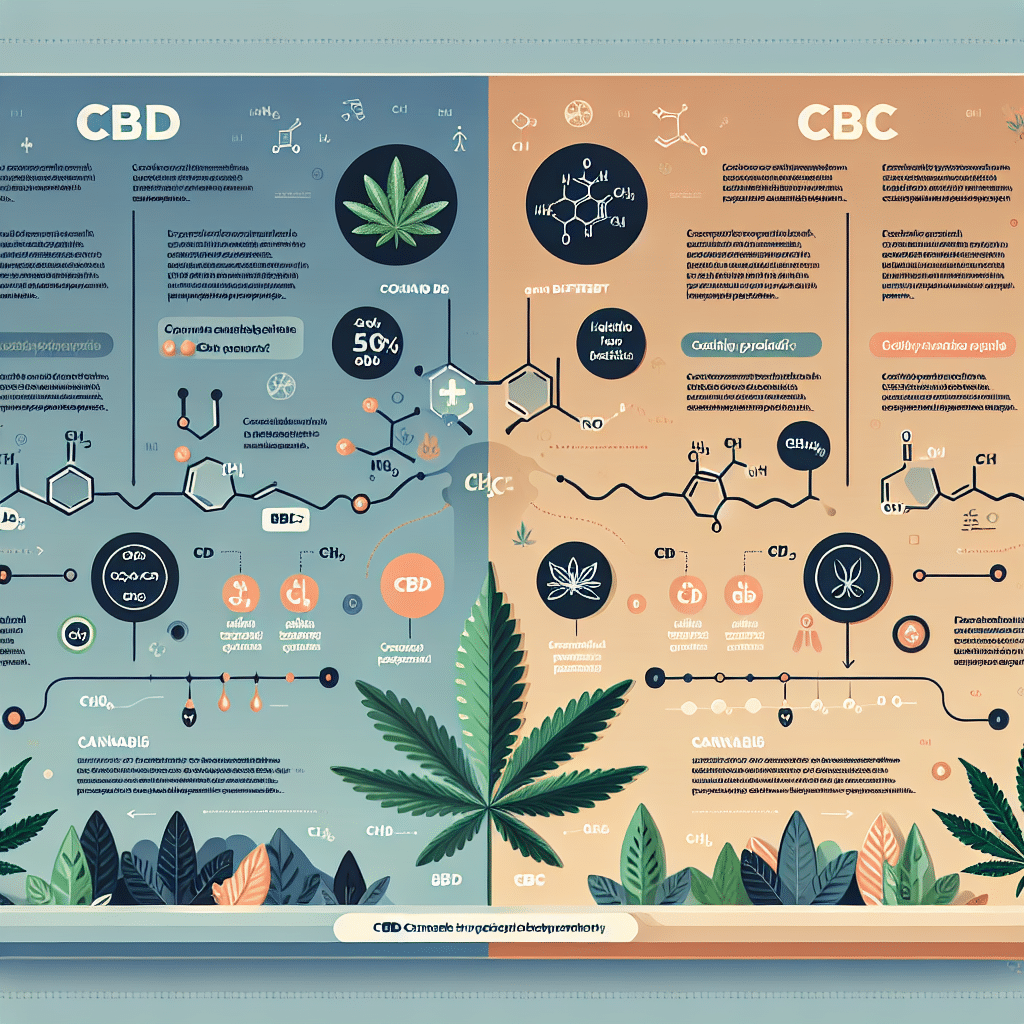
The world of cannabinoids is ever-expanding, with ongoing research revealing more about the potential benefits and uses of these compounds found in the cannabis plant. Among the many cannabinoids, CBD (cannabidiol) has gained significant popularity for its therapeutic properties without the psychoactive effects associated with THC. However, another lesser-known cannabinoid, CBC (cannabichromene), is also garnering attention for its unique benefits. In this article, we will delve into the differences between CBD and CBC, exploring their properties, effects, and potential applications.
What is CBD?
CBD is one of the most researched and well-known cannabinoids found in the cannabis plant. Unlike THC (tetrahydrocannabinol), which is known for its psychoactive properties, CBD does not produce a “high.” Instead, it is prized for its potential therapeutic benefits, which include:
- Alleviating anxiety and depression
- Reducing inflammation and pain
- Improving sleep quality
- Supporting heart health
- Potentially aiding in the treatment of certain neurological disorders
CBD is available in various forms, including oils, tinctures, capsules, edibles, and topicals, making it accessible for a wide range of uses.
What is CBC?
CBC, or cannabichromene, is another non-psychoactive cannabinoid with a growing interest in its potential health benefits. While not as well-known as CBD, CBC has been found to possess several properties that may contribute to overall wellness, such as:
- Anti-inflammatory effects
- Antibacterial and antifungal properties
- Promoting brain health by encouraging neurogenesis
- Potential cancer-fighting properties
Although research on CBC is still in its early stages, the findings so far suggest that it could play a significant role in the future of cannabinoid-based therapies.
Chemical Structure and Interaction with the Endocannabinoid System
Both CBD and CBC are derived from CBGA (cannabigerolic acid), the precursor to many cannabinoids. Through different enzymatic reactions, CBGA is converted into the acidic forms of CBD and CBC, which are then decarboxylated to produce CBD and CBC.
The endocannabinoid system (ECS) is a complex network of receptors, enzymes, and endogenous cannabinoids that help maintain homeostasis in the body. CBD and CBC interact with the ECS differently:
- CBD has a low affinity for the cannabinoid receptors CB1 and CB2 but influences the ECS by interacting with other receptors, such as serotonin and vanilloid receptors. It also enhances the levels of endocannabinoids like anandamide.
- CBC does not bind directly to CB1 and CB2 receptors but interacts with other receptors involved in pain perception. It also appears to work synergistically with other cannabinoids through the entourage effect, potentially enhancing their therapeutic properties.
Therapeutic Applications and Research
Both CBD and CBC have shown promise in various therapeutic applications, but the extent of research and evidence varies between the two cannabinoids.
CBD Research and Applications
CBD has been extensively studied and has shown potential in treating a variety of conditions. Some of the most notable research includes:
- The use of CBD in treating epilepsy, which led to the FDA approval of Epidiolex, a prescription medication for two rare forms of childhood epilepsy.
- Studies indicating CBD’s potential to alleviate symptoms of anxiety and depression.
- Research on CBD’s anti-inflammatory properties, which may benefit individuals with chronic pain and autoimmune diseases.
CBC Research and Applications
While research on CBC is less extensive than CBD, preliminary studies have indicated several potential applications:
- Early studies suggest that CBC may contribute to the overall analgesic effects of cannabis, potentially aiding in pain management.
- Research on CBC’s anti-inflammatory properties could lead to new treatments for conditions like inflammatory bowel disease.
- The potential neuroprotective effects of CBC are being explored, with studies suggesting it could support brain health and combat neurodegenerative diseases.
Legal Status and Availability
The legal status of CBD and CBC can vary depending on the country and state. In the United States, CBD derived from hemp (containing less than 0.3% THC) is federally legal, while CBC remains less regulated due to its lower profile. However, consumers should always check local laws before purchasing or using any cannabinoid products.
Conclusion: Key Takeaways on CBD vs. CBC
Understanding the differences between CBD and CBC is crucial for consumers and medical professionals alike. While both cannabinoids offer unique benefits and have non-psychoactive properties, CBD is more widely researched and available on the market. CBC, on the other hand, shows great promise but requires further investigation to fully understand its potential applications and benefits.
For those interested in exploring the world of cannabinoids, it’s essential to stay informed about the latest research and legal developments. As the science progresses, we can expect to see more refined uses for both CBD and CBC, potentially leading to new and effective treatments for a variety of conditions.
Discover ETChem’s Protein Products
If you’re looking for high-quality protein products, ETChem offers an extensive range of collagen products suitable for various industries. From marine to bovine collagen, their products are characterized by neutral taste and instant solubility, making them an excellent choice for nutraceuticals, pharmaceuticals, and more.
About ETChem:
ETChem, a reputable Chinese Collagen factory manufacturer and supplier, is renowned for producing, stocking, exporting, and delivering the highest quality collagens. They include marine collagen, fish collagen, bovine collagen, chicken collagen, type I collagen, type II collagen and type III collagen etc. Their offerings, characterized by a neutral taste, instant solubility attributes, cater to a diverse range of industries. They serve nutraceutical, pharmaceutical, cosmeceutical, veterinary, as well as food and beverage finished product distributors, traders, and manufacturers across Europe, USA, Canada, Australia, Thailand, Japan, Korea, Brazil, and Chile, among others.
ETChem specialization includes exporting and delivering tailor-made collagen powder and finished collagen nutritional supplements. Their extensive product range covers sectors like Food and Beverage, Sports Nutrition, Weight Management, Dietary Supplements, Health and Wellness Products, ensuring comprehensive solutions to meet all your protein needs.
As a trusted company by leading global food and beverage brands and Fortune 500 companies, ETChem reinforces China’s reputation in the global arena. For more information or to sample their products, please contact them and email karen(at)et-chem.com today.