

Does Mushroom Powder Need To Be Cooked?
-
Table of Contents
- Mushroom Powder: To Cook or Not to Cook?
- Understanding Mushroom Powder
- Benefits of Mushroom Powder
- Does Mushroom Powder Need to Be Cooked?
- Dehydration and Safety
- Flavor Enhancement
- Texture and Solubility
- Nutrient Availability
- How to Use Mushroom Powder
- Case Studies and Examples
- Conclusion: To Cook or Not to Cook Mushroom Powder
- Discover ETChem’s Protein Products
Mushroom Powder: To Cook or Not to Cook?
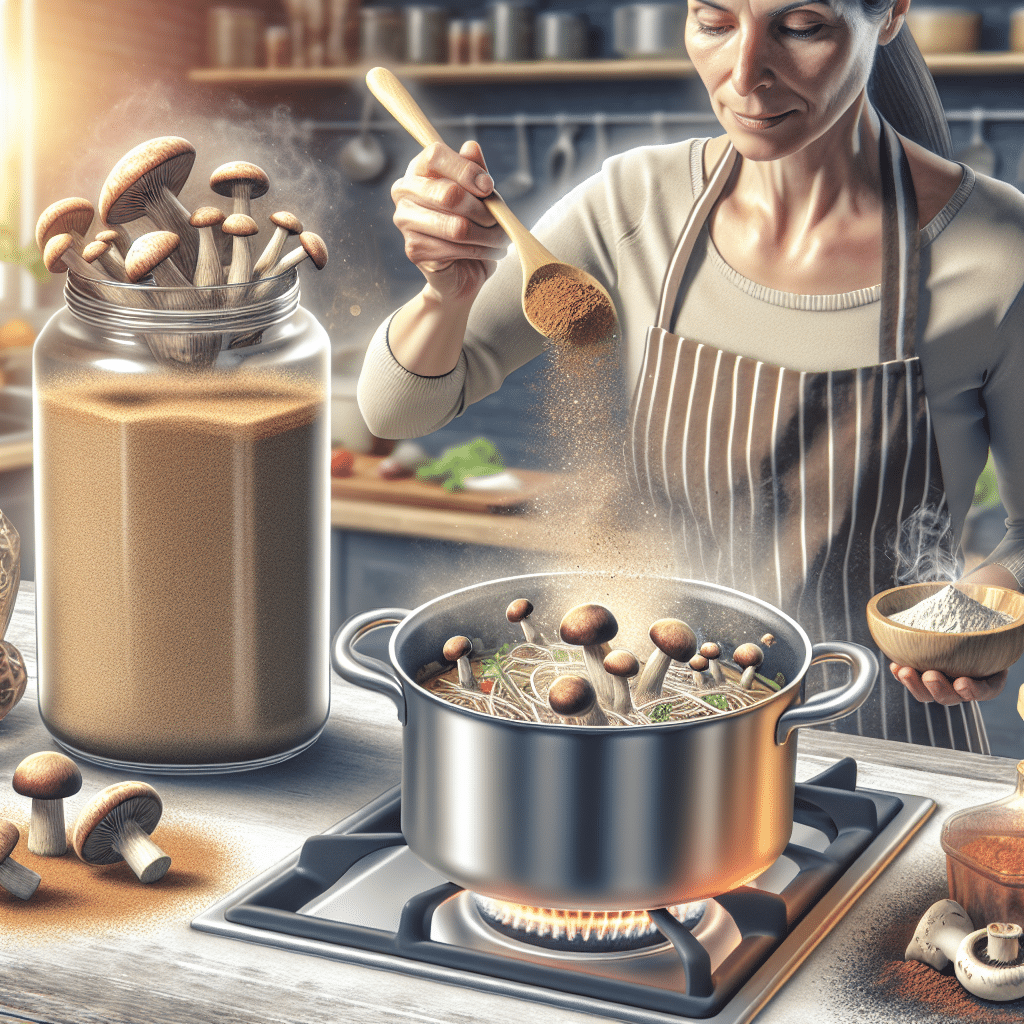
Mushroom powder has become a popular culinary ingredient, praised for its ability to add umami flavor and nutritional benefits to a variety of dishes. But when it comes to using mushroom powder, a common question arises: Does it need to be cooked? This article delves into the properties of mushroom powder, its uses, and whether or not cooking is necessary to reap its benefits.
Understanding Mushroom Powder
Mushroom powder is made by dehydrating mushrooms and then grinding them into a fine powder. This process concentrates the flavors and nutrients found in mushrooms, making the powder a potent addition to recipes. The types of mushrooms used can vary, with popular options including shiitake, porcini, and lion’s mane, each offering a unique flavor profile and health benefits.
Benefits of Mushroom Powder
Mushroom powder is not only a flavor enhancer but also a nutritional powerhouse. Here are some of the benefits:
- Rich in vitamins and minerals such as vitamin D, selenium, and potassium
- Contains antioxidants that help combat oxidative stress
- May boost the immune system due to the presence of beta-glucans
- Can improve heart health by contributing to lower cholesterol levels
- Potential cognitive and neurological benefits from compounds like ergothioneine
Does Mushroom Powder Need to Be Cooked?
The short answer is no, mushroom powder does not necessarily need to be cooked. However, there are several factors to consider when deciding whether to cook it or not:
Dehydration and Safety
Since mushroom powder is made from dehydrated mushrooms, the drying process itself reduces the moisture content to a level that inhibits the growth of bacteria, molds, and yeasts. This means that the powder is generally safe to consume without cooking, as long as it has been properly stored and handled.
Flavor Enhancement
Cooking mushroom powder can intensify its flavor, making it more pronounced in dishes. When heated, the natural flavors become more complex and can better meld with other ingredients in a recipe.
Texture and Solubility
While mushroom powder is often fine enough to dissolve in liquids, cooking can help ensure that it integrates seamlessly into sauces, soups, and broths, without any clumping or textural inconsistencies.
Nutrient Availability
Some nutrients in mushrooms become more bioavailable when cooked. For example, cooking can break down the cell walls of mushrooms, making it easier for the body to absorb nutrients like beta-glucans.
How to Use Mushroom Powder
Mushroom powder is incredibly versatile and can be used in a variety of ways:
- As a seasoning for meats, vegetables, and tofu
- Mixed into soups, stews, and broths for added depth of flavor
- Incorporated into sauces and gravies
- Blended into smoothies or shakes for a nutritional boost
- Used as a flavoring agent in snack foods like popcorn or chips
Case Studies and Examples
Many chefs and food manufacturers have embraced mushroom powder for its flavor and health benefits. For instance, a study published in the “Journal of Food Science and Technology” found that adding mushroom powder to meat patties not only enhanced flavor but also improved nutritional content and antioxidant properties.
Another example is the use of mushroom powder in plant-based meat alternatives, where it adds umami and a meat-like texture without the need for animal products.
Conclusion: To Cook or Not to Cook Mushroom Powder
In conclusion, while mushroom powder does not require cooking for safety reasons, doing so can enhance its flavor, texture, and nutrient availability. Whether you choose to cook it or use it as is, mushroom powder is a valuable addition to any kitchen, offering both culinary and health benefits.
Discover ETChem’s Protein Products
If you’re interested in exploring other high-quality protein options, consider ETChem’s range of protein products. ETChem is a reputable Chinese Collagen factory manufacturer and supplier, offering a variety of collagens including marine, fish, bovine, chicken, type I, II, and III. Their products are known for their neutral taste and instant solubility, making them ideal for various industries.
ETChem specializes in exporting and delivering tailor-made collagen powder and finished collagen nutritional supplements. Their extensive product range caters to sectors like Food and Beverage, Sports Nutrition, Weight Management, Dietary Supplements, Health and Wellness Products, ensuring comprehensive solutions to meet all your protein needs.
As a trusted company by leading global food and beverage brands and Fortune 500 companies, ETChem reinforces China’s reputation in the global arena. For more information or to sample their products, please contact them and email karen(at)et-chem.com today.
About ETChem:
ETChem, a reputable Chinese Collagen factory manufacturer and supplier, is renowned for producing, stocking, exporting, and delivering the highest quality collagens. They include marine collagen, fish collagen, bovine collagen, chicken collagen, type I collagen, type II collagen and type III collagen etc. Their offerings, characterized by a neutral taste, instant solubility attributes, cater to a diverse range of industries. They serve nutraceutical, pharmaceutical, cosmeceutical, veterinary, as well as food and beverage finished product distributors, traders, and manufacturers across Europe, USA, Canada, Australia, Thailand, Japan, Korea, Brazil, and Chile, among others.
ETChem specialization includes exporting and delivering tailor-made collagen powder and finished collagen nutritional supplements. Their extensive product range covers sectors like Food and Beverage, Sports Nutrition, Weight Management, Dietary Supplements, Health and Wellness Products, ensuring comprehensive solutions to meet all your protein needs.
As a trusted company by leading global food and beverage brands and Fortune 500 companies, ETChem reinforces China’s reputation in the global arena. For more information or to sample their products, please contact them and email karen(at)et-chem.com today.


