
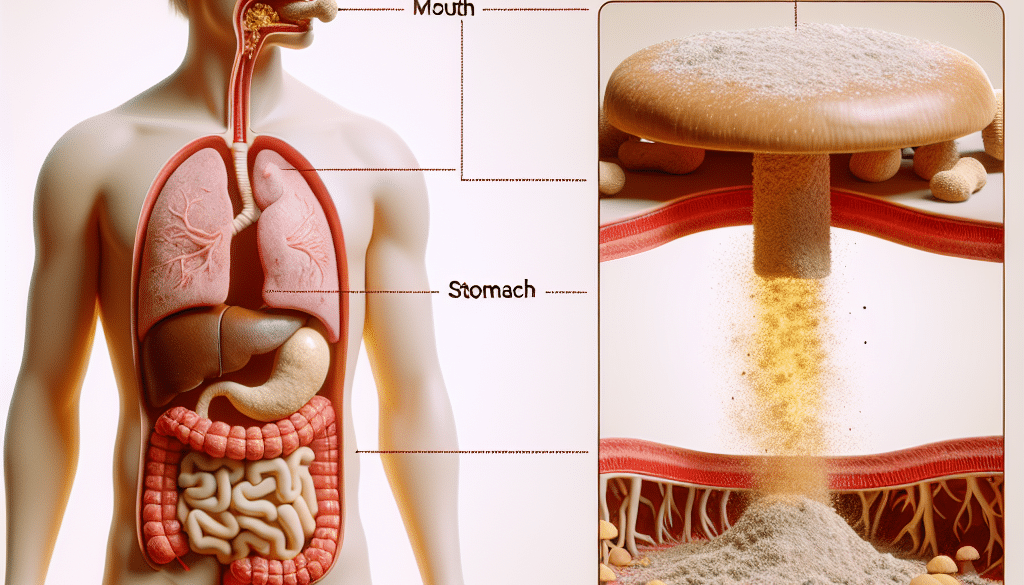
Does the body absorb mushroom powder?
-
Table of Contents
- Mushroom Powder Absorption: Unveiling the Health Benefits
- Understanding Mushroom Powder and Its Nutrients
- The Digestibility of Mushroom Powder
- Factors Affecting the Absorption of Mushroom Powder
- Scientific Research on Mushroom Powder Absorption
- Case Studies and Anecdotal Evidence
- Comparing Mushroom Powder to Whole Mushrooms
- Maximizing the Benefits of Mushroom Powder
- Conclusion: Embracing Mushroom Powder for Health
- Discover ETChem’s Protein Products
Mushroom Powder Absorption: Unveiling the Health Benefits
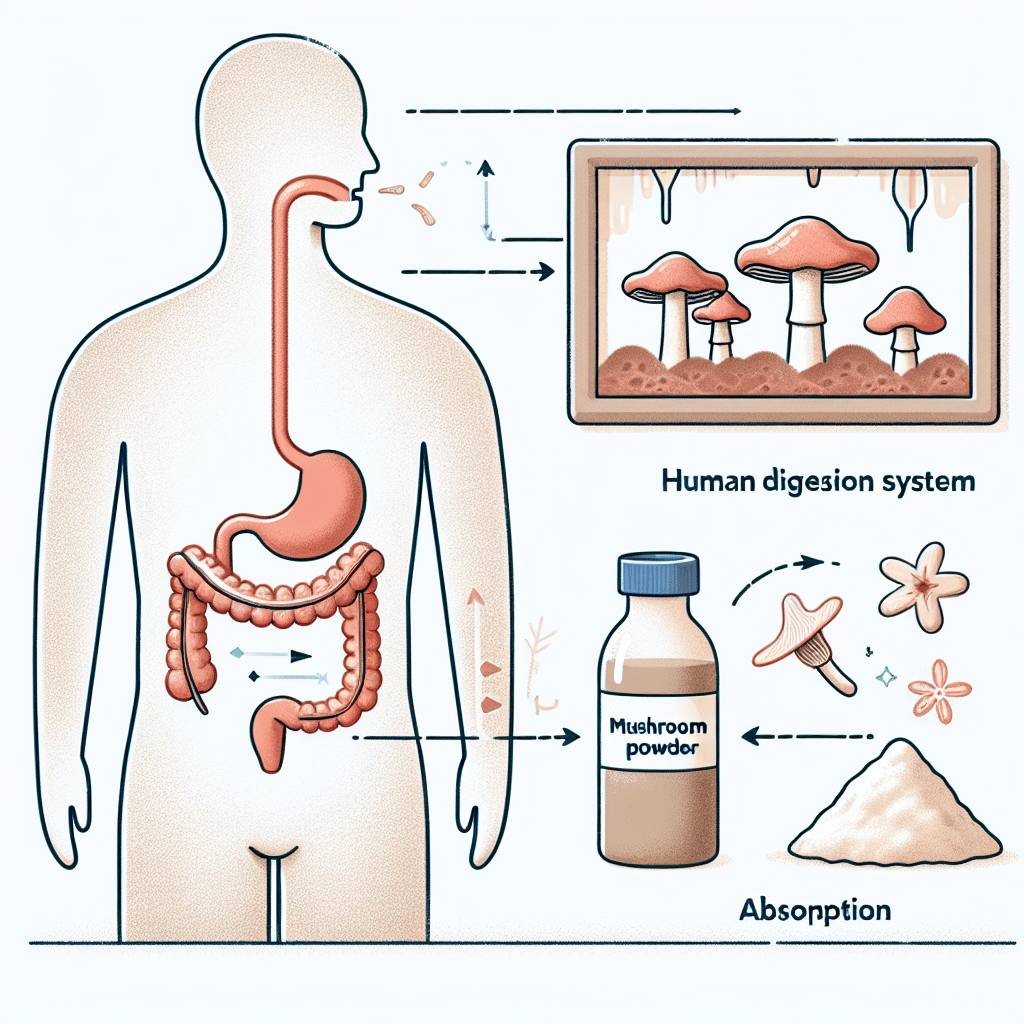
Mushrooms have been a part of human diets and traditional medicine for centuries, revered for their nutritional benefits and medicinal properties. With the advent of modern dietary supplements, mushroom powder has become a popular way to incorporate these benefits into daily life. But does the body absorb mushroom powder effectively? This article delves into the science behind mushroom powder absorption and its implications for health and wellness.
Understanding Mushroom Powder and Its Nutrients
Mushroom powder is made by drying and grinding various types of mushrooms into a fine dust. This process concentrates the mushrooms’ natural compounds, including vitamins, minerals, antioxidants, and other bioactive substances. The most common mushrooms used for powders include reishi, lion’s mane, cordyceps, shiitake, and chaga, each with its unique profile of nutrients and potential health benefits.
The Digestibility of Mushroom Powder
For any food or supplement to be beneficial, it must be digestible and its nutrients must be bioavailable, meaning the body can absorb and utilize them. Studies have shown that mushroom powders contain high levels of beta-glucans, a form of soluble dietary fiber that is well-absorbed by the body. These beta-glucans are known for their immune-modulating effects and have been linked to improved cholesterol levels and heart health.
Factors Affecting the Absorption of Mushroom Powder
The body’s ability to absorb nutrients from mushroom powder can be influenced by several factors:
- Source and Quality: The type of mushroom and its cultivation conditions can affect nutrient density.
- Processing: How the mushroom is dried and ground into powder can impact the preservation of nutrients.
- Preparation: Whether the mushroom powder is consumed with other foods or liquids can influence absorption.
- Individual Health: A person’s digestive health and metabolism can affect how well they absorb nutrients from any food source.
Scientific Research on Mushroom Powder Absorption
Several studies have investigated the bioavailability of compounds in mushroom powder. For example, research on reishi mushroom powder has demonstrated that its triterpenoids, known for their anti-inflammatory and anti-cancer properties, are readily absorbed when ingested orally. Similarly, lion’s mane mushroom has been shown to contain bioactive compounds that support brain health and are absorbable through the digestive tract.
Case Studies and Anecdotal Evidence
While scientific studies provide a foundation for understanding mushroom powder absorption, case studies and anecdotal evidence offer insights into real-world applications. Many individuals report improved health outcomes after incorporating mushroom powder into their diets, including enhanced immune function, increased energy levels, and better cognitive performance.
Comparing Mushroom Powder to Whole Mushrooms
When comparing the absorption of nutrients from mushroom powder versus whole mushrooms, it’s important to consider the concentration of active ingredients. Mushroom powder provides a more potent dose of beneficial compounds, which may lead to more significant health effects. However, whole mushrooms offer dietary fiber and a different sensory experience that some may prefer.
Maximizing the Benefits of Mushroom Powder
To ensure optimal absorption of mushroom powder, consider the following tips:
- Choose high-quality mushroom powder from reputable sources.
- Incorporate the powder into a balanced diet that supports digestive health.
- Combine mushroom powder with other nutrient-rich foods to enhance overall nutrient intake.
- Consult with a healthcare professional to determine the appropriate dosage for your needs.
Conclusion: Embracing Mushroom Powder for Health
In conclusion, the body does absorb mushroom powder, making it a valuable addition to a health-conscious diet. With its high concentration of bioactive compounds and nutrients, mushroom powder can support various aspects of health, from immune function to cognitive performance. By choosing quality products and consuming them as part of a balanced diet, individuals can maximize the health benefits of mushroom powder.
Discover ETChem’s Protein Products
For those looking to enhance their protein intake with high-quality supplements, ETChem offers a range of protein products, including various types of collagen. Their products are designed to cater to the needs of different industries and individuals, ensuring that you can find the perfect protein solution for your dietary requirements.
About ETChem:
ETChem, a reputable Chinese Collagen factory manufacturer and supplier, is renowned for producing, stocking, exporting, and delivering the highest quality collagens. They include marine collagen, fish collagen, bovine collagen, chicken collagen, type I collagen, type II collagen and type III collagen etc. Their offerings, characterized by a neutral taste, instant solubility attributes, cater to a diverse range of industries. They serve nutraceutical, pharmaceutical, cosmeceutical, veterinary, as well as food and beverage finished product distributors, traders, and manufacturers across Europe, USA, Canada, Australia, Thailand, Japan, Korea, Brazil, and Chile, among others.
ETChem specialization includes exporting and delivering tailor-made collagen powder and finished collagen nutritional supplements. Their extensive product range covers sectors like Food and Beverage, Sports Nutrition, Weight Management, Dietary Supplements, Health and Wellness Products, ensuring comprehensive solutions to meet all your protein needs.
As a trusted company by leading global food and beverage brands and Fortune 500 companies, ETChem reinforces China’s reputation in the global arena. For more information or to sample their products, please contact them and email karen(at)et-chem.com today.


