
Is Collagen Halal: Understanding Your Supplements
-
Table of Contents
- Is Collagen Halal? Understanding Your Supplements
- What is Collagen?
- Understanding Halal Certification
- Is Collagen Halal?
- Bovine Collagen
- Marine Collagen
- Chicken Collagen
- Challenges in Ensuring Halal Collagen
- How to Choose Halal Collagen Supplements
- Case Studies and Statistics
- Conclusion
- ETChem: Your Trusted Source for Halal Collagen
Is Collagen Halal? Understanding Your Supplements
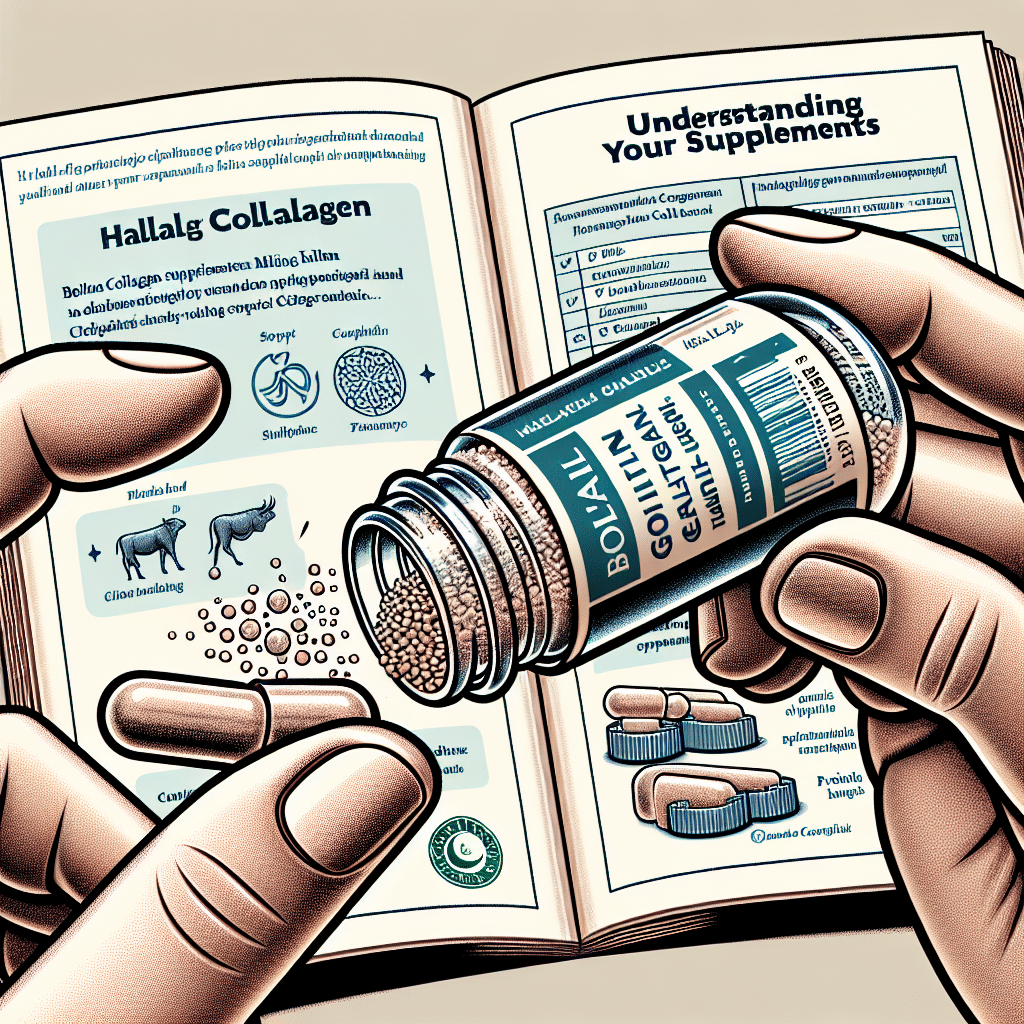
Collagen supplements have become increasingly popular for their potential health benefits, including improving skin elasticity, reducing wrinkles, and supporting joint health. However, for the millions of Muslims around the world who follow a Halal diet, the question of whether collagen supplements are permissible under Islamic dietary laws is of paramount importance. This article delves into the complexities of Halal certification for collagen and what consumers should know when selecting their supplements.
What is Collagen?
Collagen is the most abundant protein in the human body, found in bones, muscles, skin, and tendons. It acts as a scaffold to provide strength and structure. In the supplement industry, collagen is extracted from various sources, including bovine (cow), porcine (pig), chicken, and marine (fish) animals.
Understanding Halal Certification
Halal, an Arabic word meaning lawful or permissible, is a term designating any object or an action which is permissible to use or engage in, according to Islamic law. The term is widely used to designate food seen as permissible according to Islamic law (Sharia). The criteria for Halal certification include the source of the ingredients, the method of processing, and the handling of the product.
Is Collagen Halal?
The permissibility of collagen in a Halal diet depends on the source of the collagen and the method of processing. Collagen sourced from pigs is categorically not Halal, as pork is forbidden in Islam. Collagen from bovine or marine sources can be Halal, provided the animals were slaughtered according to Sharia law and the processing does not involve any non-Halal substances.
Bovine Collagen
Bovine collagen is derived from cows and is one of the most common sources of collagen in supplements. For bovine collagen to be considered Halal, the cows must be slaughtered by a Muslim who recites a blessing, and the animals must be killed quickly with a sharp knife to the throat, ensuring that all blood is drained from the carcass.
Marine Collagen
Marine collagen is extracted from fish and is generally considered Halal, as fish do not require a specific method of slaughter. However, it is still important to ensure that the processing and handling of marine collagen do not involve any non-Halal substances.
Chicken Collagen
Chicken collagen must also come from Halal-slaughtered chickens, following the same principles as bovine collagen. The chickens must be slaughtered by a Muslim, with a recitation and proper bleeding out of the animal.
Challenges in Ensuring Halal Collagen
Ensuring that collagen supplements are truly Halal involves several challenges:
- Traceability of the source: It can be difficult to trace the exact origins of the collagen and verify that the animals were slaughtered according to Halal practices.
- Cross-contamination: There is a risk of cross-contamination with non-Halal substances during the manufacturing process.
- Lack of regulation: The Halal certification process is not universally standardized, leading to variations in what is considered Halal in different regions or by different certifying bodies.
How to Choose Halal Collagen Supplements
For consumers seeking Halal collagen supplements, there are several steps to ensure that the products they choose are compliant with Islamic dietary laws:
- Look for Halal certification: Choose products that have been certified by a reputable Halal certification body.
- Research the brand: Select brands that are transparent about their sourcing and manufacturing processes.
- Check the ingredient list: Ensure that all ingredients in the supplement are Halal.
- Contact the manufacturer: If in doubt, contact the manufacturer directly to inquire about their Halal certification and practices.
Case Studies and Statistics
Several case studies have highlighted the importance of Halal certification for Muslim consumers. For instance, a study on consumer behavior in Malaysia showed that over 90% of Muslim consumers would look for a Halal logo when purchasing food products. This indicates the significant role that Halal certification plays in purchasing decisions.
Furthermore, the global Halal food market size was valued at USD 1.9 trillion in 2020 and is expected to grow, demonstrating the increasing demand for Halal-certified products, including supplements like collagen.
Conclusion
In conclusion, while collagen can be Halal, it is contingent on the source of the collagen and adherence to strict Halal processing standards. Muslims seeking to incorporate collagen supplements into their diet should diligently check for Halal certification, research the brand, and verify the ingredients to ensure compliance with their dietary laws. As the demand for Halal products continues to rise, more companies are likely to invest in Halal certification, making it easier for consumers to find supplements that meet their needs.
ETChem: Your Trusted Source for Halal Collagen
If you’re looking for high-quality Halal collagen supplements, ETChem is a company worth considering. They offer a range of collagen products, including marine, bovine, and chicken collagen, ensuring that there is a Halal option for everyone. With their commitment to quality and adherence to Halal standards, ETChem is a reliable choice for your protein supplement needs.
About ETChem:
ETChem, a reputable Chinese Collagen factory manufacturer and supplier, is renowned for producing, stocking, exporting, and delivering the highest quality collagens. They include marine collagen, fish collagen, bovine collagen, chicken collagen, type I collagen, type II collagen and type III collagen etc. Their offerings, characterized by a neutral taste, instant solubility attributes, cater to a diverse range of industries. They serve nutraceutical, pharmaceutical, cosmeceutical, veterinary, as well as food and beverage finished product distributors, traders, and manufacturers across Europe, USA, Canada, Australia, Thailand, Japan, Korea, Brazil, and Chile, among others.
ETChem specialization includes exporting and delivering tailor-made collagen powder and finished collagen nutritional supplements. Their extensive product range covers sectors like Food and Beverage, Sports Nutrition, Weight Management, Dietary Supplements, Health and Wellness Products, ensuring comprehensive solutions to meet all your protein needs.
As a trusted company by leading global food and beverage brands and Fortune 500 companies, ETChem reinforces China’s reputation in the global arena. For more information or to sample their products, please contact them and email karen(at)et-chem.com today.