
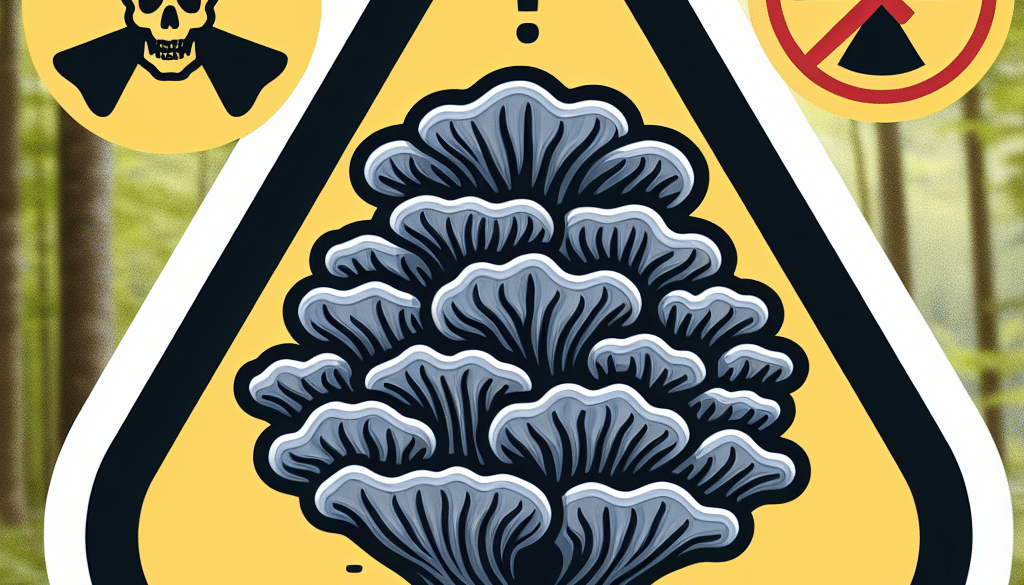
Is Grifola Frondosa Poisonous?
-
Table of Contents
- Grifola Frondosa: Is This Mushroom Safe or Poisonous?
- Understanding Grifola Frondosa
- Is Grifola Frondosa Poisonous?
- Health Benefits of Grifola Frondosa
- Research and Case Studies
- How to Safely Consume Grifola Frondosa
- Conclusion: Embracing Grifola Frondosa in Your Diet
- Discover ETChem’s Protein Products
Grifola Frondosa: Is This Mushroom Safe or Poisonous?
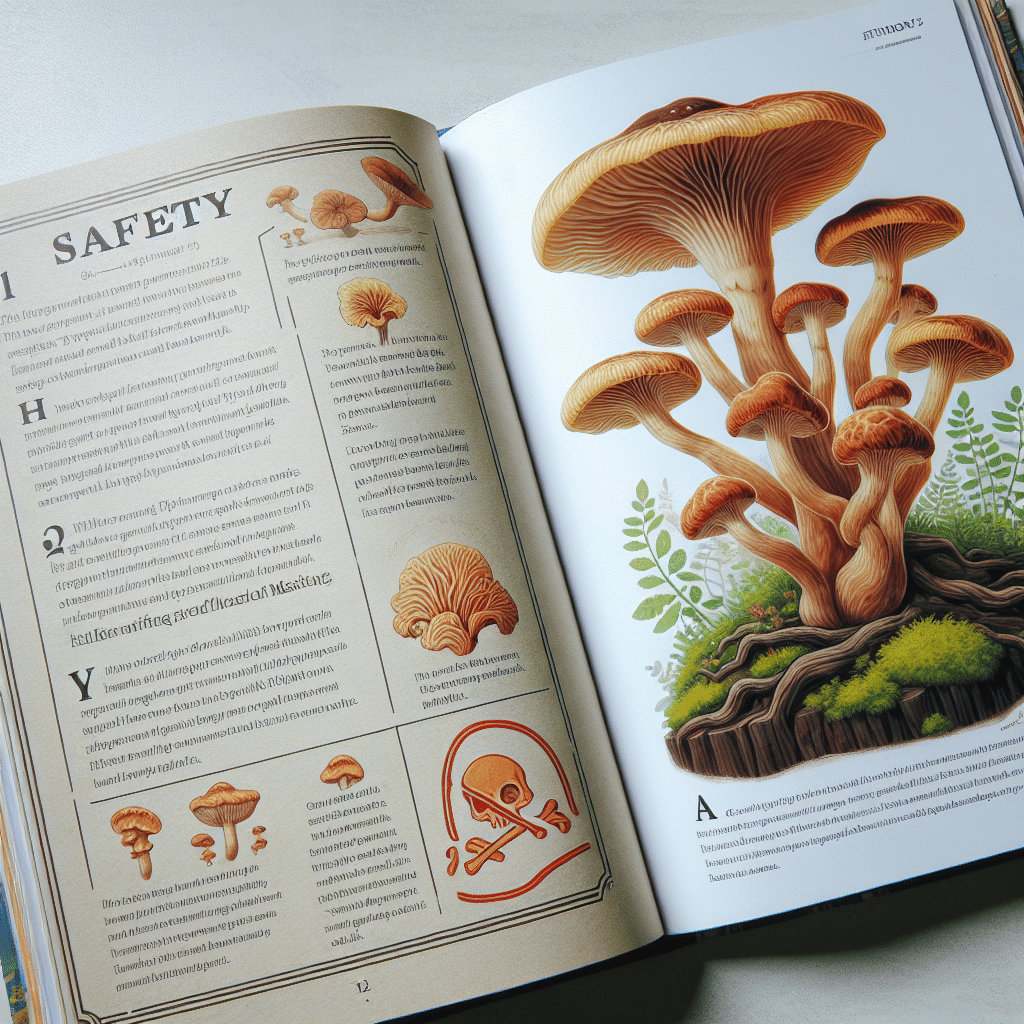
Grifola frondosa, commonly known as Maitake or Hen of the Woods, is a polypore mushroom that grows at the base of trees, particularly oaks. The mushroom is native to China, the northeastern part of Japan, and North America. It has been used for centuries in traditional medicine and is renowned for its potential health benefits. However, with the increasing popularity of foraging and the use of mushrooms for culinary and medicinal purposes, it’s crucial to understand whether Grifola frondosa is safe for consumption or if it poses any toxic risks.
Understanding Grifola Frondosa
Before delving into the safety of Grifola frondosa, let’s explore what this mushroom is and why it has captured the interest of both the culinary and health communities.
- Identification: Grifola frondosa is characterized by its large, overlapping fan-shaped caps, which are grayish-brown. The mushroom grows in a large mass that can weigh several pounds.
- Habitat: It typically grows in the late summer to early autumn at the base of hardwood trees, with a preference for oaks.
- Uses: In addition to its culinary uses, Maitake has been studied for its potential health benefits, including immune system support, blood sugar regulation, and cholesterol management.
Is Grifola Frondosa Poisonous?
The simple answer is no, Grifola frondosa is not poisonous. It is considered a choice edible mushroom and is highly valued for its taste and texture. However, as with any wild mushroom, there are important considerations to keep in mind.
- Proper Identification: Always ensure that you have correctly identified the mushroom as Grifola frondosa. Mistaking it for a toxic look-alike could lead to serious health consequences.
- Individual Sensitivities: Some people may have allergies or sensitivities to certain mushrooms. It’s always best to try a small amount first if you’re consuming Maitake for the first time.
- Contaminants: Wild mushrooms can absorb pollutants from their environment. It’s important to source Grifola frondosa from clean, unpolluted areas.
Health Benefits of Grifola Frondosa
Grifola frondosa is not only non-toxic but also offers a range of health benefits. Here are some of the most well-researched advantages of incorporating Maitake into your diet:
- Immune System Support: Maitake contains beta-glucans, which have been shown to stimulate the immune system.
- Blood Sugar Control: Some studies suggest that Maitake can help regulate blood sugar levels, which is beneficial for those with diabetes or at risk of developing diabetes.
- Cholesterol Management: Research indicates that Grifola frondosa may help lower bad cholesterol levels, thereby supporting cardiovascular health.
Research and Case Studies
Several studies have been conducted to explore the effects of Grifola frondosa on health. For instance, a 2013 study published in the Journal of Medicinal Food found that Maitake extract had a positive effect on the immune system of breast cancer patients. Another study in the Journal of Diabetes Research in 2015 reported that Maitake mushroom can improve insulin resistance, a key factor in type 2 diabetes.
While these studies are promising, more research is needed to fully understand the extent of Maitake’s health benefits and any potential risks.
How to Safely Consume Grifola Frondosa
To safely enjoy the benefits of Grifola frondosa, follow these guidelines:
- Source Responsibly: Obtain Maitake from reputable sources or experienced foragers to ensure proper identification and avoid contamination.
- Start Small: If you’re new to Maitake, begin with a small portion to check for any adverse reactions.
- Cook Thoroughly: Cooking mushrooms can help break down any potential irritants and make them easier to digest.
Conclusion: Embracing Grifola Frondosa in Your Diet
In conclusion, Grifola frondosa is not poisonous and can be a valuable addition to your diet. With its rich flavor and potential health benefits, it’s no wonder that Maitake has been esteemed for centuries. However, always practice caution when foraging and consuming wild mushrooms, and consult with a healthcare provider if you have any concerns about allergies or interactions with medications.
Discover ETChem’s Protein Products
If you’re interested in exploring other sources of beneficial proteins and supplements, consider ETChem’s range of protein products. ETChem is known for its high-quality collagens, which are essential for various bodily functions and can complement a healthy diet that includes safe and nutritious mushrooms like Grifola frondosa.
About ETChem:
ETChem, a reputable Chinese Collagen factory manufacturer and supplier, is renowned for producing, stocking, exporting, and delivering the highest quality collagens. They include marine collagen, fish collagen, bovine collagen, chicken collagen, type I collagen, type II collagen and type III collagen etc. Their offerings, characterized by a neutral taste, instant solubility attributes, cater to a diverse range of industries. They serve nutraceutical, pharmaceutical, cosmeceutical, veterinary, as well as food and beverage finished product distributors, traders, and manufacturers across Europe, USA, Canada, Australia, Thailand, Japan, Korea, Brazil, and Chile, among others.
ETChem specialization includes exporting and delivering tailor-made collagen powder and finished collagen nutritional supplements. Their extensive product range covers sectors like Food and Beverage, Sports Nutrition, Weight Management, Dietary Supplements, Health and Wellness Products, ensuring comprehensive solutions to meet all your protein needs.
As a trusted company by leading global food and beverage brands and Fortune 500 companies, ETChem reinforces China’s reputation in the global arena. For more information or to sample their products, please contact them and email karen(at)et-chem.com today.


