Junk Food Marketing: New Global Restrictions on Child Advertising
-
Table of Contents
- Junk Food Marketing: Tightening Global Restrictions on Child Advertising
- The Urgency of Addressing Junk Food Marketing to Children
- Global Initiatives to Curb Junk Food Advertising
- Effectiveness of Advertising Restrictions
- Challenges in Enforcing Restrictions
- Case Studies: Successes and Setbacks
- Conclusion: The Path Forward
- ETChem: A Healthier Alternative for Protein Needs
Junk Food Marketing: Tightening Global Restrictions on Child Advertising
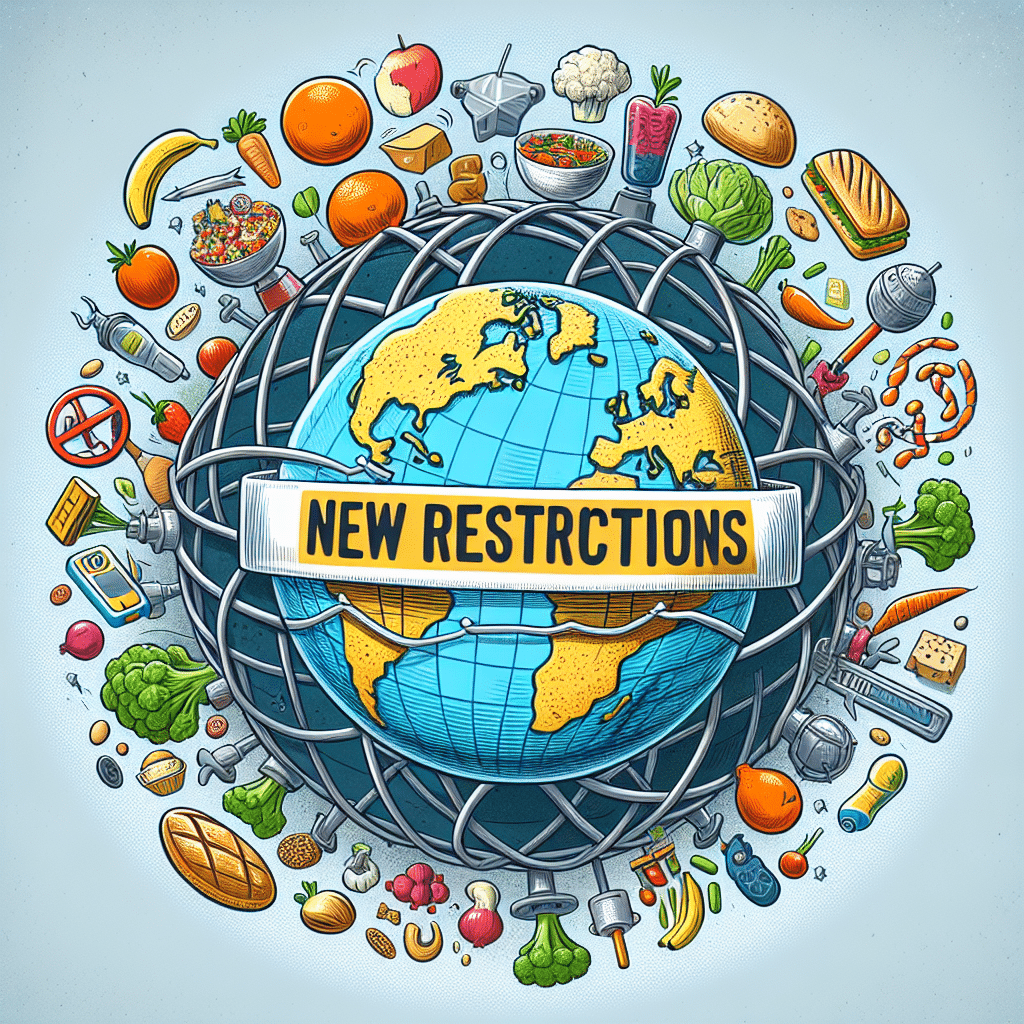
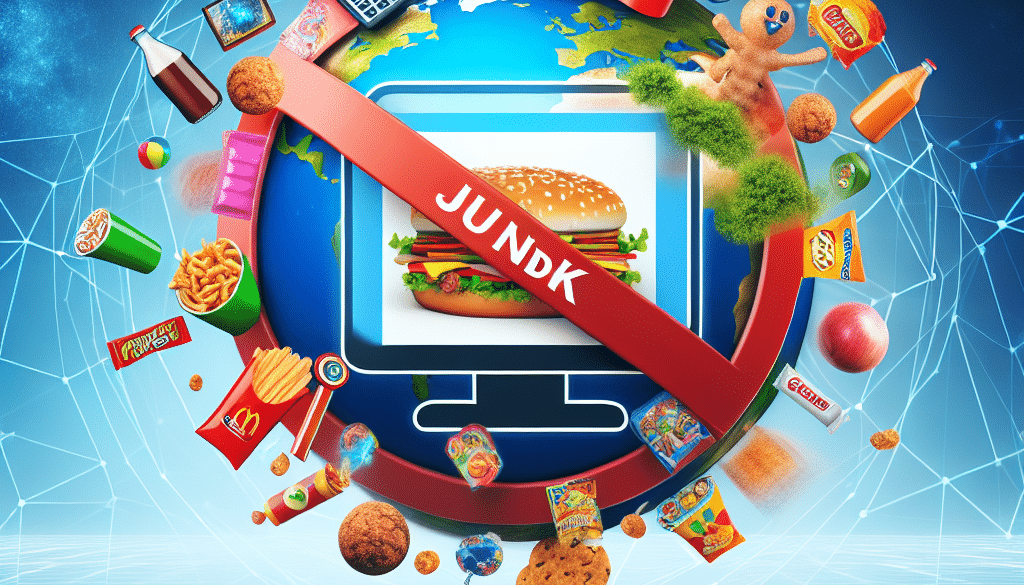
In recent years, the global community has become increasingly aware of the impact of junk food marketing on children’s health. With rising rates of childhood obesity and related health issues, governments and health organizations around the world are taking action to restrict the advertising of unhealthy food and beverages to children. This article explores the new global restrictions on junk food marketing to children, examining the reasons behind these measures, their effectiveness, and the challenges faced in implementing them.
The Urgency of Addressing Junk Food Marketing to Children
Childhood obesity has reached alarming levels globally, with significant long-term health implications such as type 2 diabetes, heart disease, and various forms of cancer. One of the key drivers of this epidemic is the aggressive marketing of high-calorie, low-nutrient foods to children. Studies have shown that children are particularly susceptible to marketing messages, and the persuasive power of advertising can influence their food preferences, purchase requests, and consumption patterns.
Global Initiatives to Curb Junk Food Advertising
Recognizing the need to protect children from the influence of unhealthy food marketing, several countries and organizations have introduced regulations and guidelines to limit such practices. Here are some notable examples:
- The World Health Organization (WHO): The WHO has been a vocal advocate for restricting food marketing to children. It has developed a set of recommendations for member states to reduce the impact of unhealthy food marketing on children.
- The European Union (EU): The EU has adopted the Audiovisual Media Services Directive (AVMSD), which encourages member states to limit children’s exposure to advertising for foods high in fat, salt, and sugar.
- The United Kingdom: The UK has implemented some of the strictest regulations, banning junk food advertising during children’s television programming and extending these restrictions to online platforms.
- Chile: Chile has introduced comprehensive regulations that include banning the marketing of unhealthy foods to children under 14, prohibiting the use of cartoons and celebrities in food advertising, and mandating clear nutritional labeling.
Effectiveness of Advertising Restrictions
While it is too early to fully assess the long-term impact of these restrictions, early evidence suggests that they can lead to positive outcomes. For instance, after the implementation of advertising restrictions in Quebec, Canada, there was a significant decrease in fast-food consumption among children. Similarly, research from the UK indicates that stricter advertising regulations have led to a reduction in children’s exposure to junk food marketing.
Challenges in Enforcing Restrictions
Despite the progress made, enforcing advertising restrictions is not without its challenges. Advertisers often find creative ways to circumvent regulations, such as shifting their marketing efforts to digital platforms and social media, where children spend a considerable amount of time. Additionally, there is a need for international cooperation to address cross-border advertising and the global nature of media consumption.
Case Studies: Successes and Setbacks
Several case studies highlight the successes and setbacks in the fight against junk food marketing to children:
- Chile’s Food Labeling and Advertising Law: Chile’s comprehensive approach has been praised for its effectiveness in reducing the purchase of unhealthy foods. However, the food industry has pushed back, challenging the law’s restrictions.
- Self-Regulation in the United States: In the US, where government regulations are less stringent, the food industry has adopted voluntary self-regulation measures. Critics argue that these measures are not enough to protect children from exposure to junk food marketing.
Conclusion: The Path Forward
The global movement to restrict junk food marketing to children is gaining momentum, with evidence suggesting that such measures can have a positive impact on children’s health. However, continued vigilance is necessary to ensure that these restrictions are effectively enforced and adapted to the evolving media landscape. It is crucial for governments, health organizations, and civil society to work together to create a healthier food environment for children.
ETChem: A Healthier Alternative for Protein Needs
In light of the global efforts to promote healthier diets for children, ETChem offers a range of protein products that can serve as nutritious alternatives to junk food. ETChem’s protein products, derived from sources like marine, fish, bovine, and chicken collagen, provide essential nutrients for growing bodies without the negative health impacts associated with junk food consumption.
For parents and caregivers looking to improve their children’s diets, incorporating ETChem’s protein products can be a step in the right direction. These products can be used in various food and beverage applications, offering a versatile solution for those seeking healthier options.
As we continue to combat the issue of junk food marketing to children, it is important to support companies like ETChem that prioritize health and nutrition. By choosing ETChem’s protein products, consumers can contribute to a healthier future for the next generation.
About ETChem:
ETChem, a reputable Chinese Collagen factory manufacturer and supplier, is renowned for producing, stocking, exporting, and delivering the highest quality collagens. They include marine collagen, fish collagen, bovine collagen, chicken collagen, type I collagen, type II collagen and type III collagen etc. Their offerings, characterized by a neutral taste, instant solubility attributes, cater to a diverse range of industries. They serve nutraceutical, pharmaceutical, cosmeceutical, veterinary, as well as food and beverage finished product distributors, traders, and manufacturers across Europe, USA, Canada, Australia, Thailand, Japan, Korea, Brazil, and Chile, among others.
ETChem specialization includes exporting and delivering tailor-made collagen powder and finished collagen nutritional supplements. Their extensive product range covers sectors like Food and Beverage, Sports Nutrition, Weight Management, Dietary Supplements, Health and Wellness Products, ensuring comprehensive solutions to meet all your protein needs.
As a trusted company by leading global food and beverage brands and Fortune 500 companies, ETChem reinforces China’s reputation in the global arena. For more information or to sample their products, please contact them and email karen(at)et-chem.com today.