
Lack of Collagen Symptoms: Signs You Need More
-
Table of Contents
- Lack of Collagen Symptoms: Key Signs You May Need More
- Understanding Collagen and Its Importance
- Signs and Symptoms of Collagen Deficiency
- Factors Contributing to Collagen Deficiency
- Boosting Collagen Levels
- Conclusion: Recognizing and Addressing Collagen Deficiency
- ETChem: Your Trusted Source for High-Quality Collagen Products
Lack of Collagen Symptoms: Key Signs You May Need More
Collagen is the most abundant protein in the human body, playing a crucial role in maintaining the structure and integrity of skin, bones, muscles, tendons, and ligaments. As we age, our bodies produce less collagen, which can lead to a variety of symptoms that may affect our overall health and appearance. Understanding the signs of collagen deficiency is essential for taking proactive steps to maintain your health and vitality. In this article, we will explore the symptoms of collagen deficiency and discuss how increasing your collagen intake can benefit your health.
Understanding Collagen and Its Importance
Before diving into the symptoms of collagen deficiency, it’s important to understand what collagen is and why it’s so important for our bodies. Collagen is a protein made up of amino acids that form long chains, providing strength and elasticity to connective tissues. It’s found in our skin, bones, muscles, and tendons, acting as a “glue” that holds our body together.
Signs and Symptoms of Collagen Deficiency
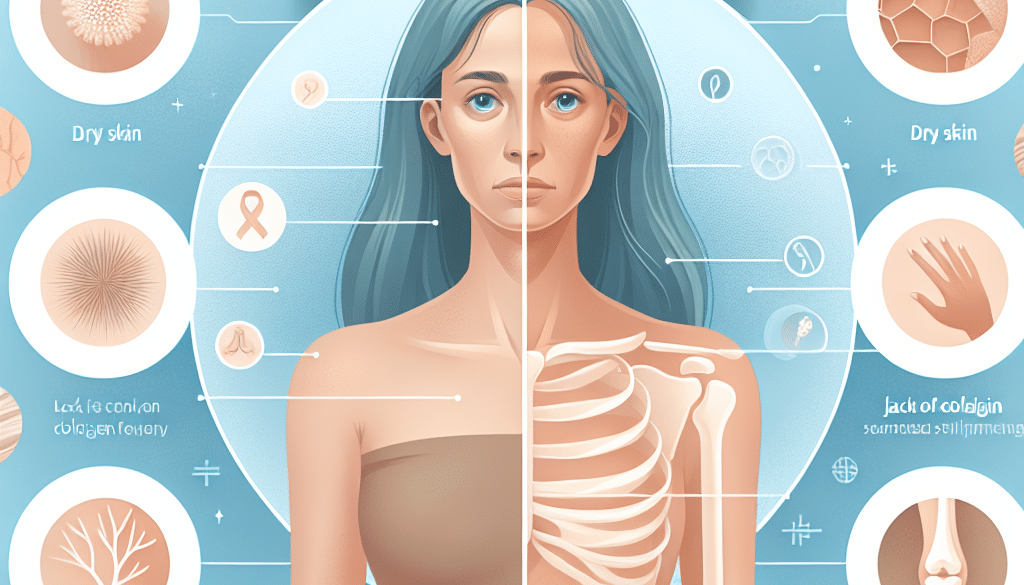
As collagen production decreases with age, or due to other factors such as poor nutrition or excessive sun exposure, you may begin to notice signs that your body needs more collagen. Here are some common symptoms:
- Wrinkles and Skin Aging: One of the most visible signs of collagen deficiency is the appearance of fine lines and wrinkles. As collagen levels drop, the skin loses its elasticity and firmness, leading to sagging and aging skin.
- Joint Pain and Stiffness: Collagen helps maintain the integrity of cartilage, the rubber-like tissue that protects your joints. A decrease in collagen can lead to joint pain and stiffness, and may contribute to conditions like osteoarthritis.
- Weak Muscles: Collagen is important for maintaining muscle mass and function. A deficiency can result in weaker muscles and reduced strength.
- Bone Loss: Bones are made up mostly of collagen, which gives them structure and helps keep them strong. Collagen loss can lead to decreased bone density and an increased risk of fractures.
- Poor Dental Health: Collagen is a major component of teeth and gums. A lack of collagen can lead to dental problems, including loose teeth and gum disease.
- Hair and Nail Problems: Collagen is also important for the health of your hair and nails. A deficiency can result in hair loss, thinning, and brittle nails.
Factors Contributing to Collagen Deficiency
Several factors can contribute to a decrease in collagen production, including:
- Age: Natural aging is the primary reason for reduced collagen production.
- Lifestyle Choices: Smoking, excessive alcohol consumption, and a poor diet can all negatively impact collagen levels.
- Sun Exposure: UV radiation can break down collagen and inhibit its production.
- Genetics: Some people are genetically predisposed to produce less collagen.
Boosting Collagen Levels
Fortunately, there are ways to boost collagen levels in the body. These include:
- Diet: Eating foods rich in vitamin C, proline, glycine, and copper can help support collagen production. Good sources include citrus fruits, berries, chicken, fish, and leafy greens.
- Supplements: Collagen supplements, such as hydrolyzed collagen peptides, can be easily absorbed by the body and may help improve skin elasticity, joint health, and more.
- Topical Treatments: Certain creams and serums containing collagen or ingredients that promote collagen production can improve skin appearance.
- Lifestyle Changes: Quitting smoking, reducing alcohol intake, and protecting your skin from the sun can all help preserve collagen.
Conclusion: Recognizing and Addressing Collagen Deficiency
Recognizing the signs of collagen deficiency is the first step towards addressing this common issue. By understanding the symptoms and making lifestyle changes, you can help maintain your collagen levels and support your body’s overall health and appearance. Whether through diet, supplements, or skincare, there are numerous ways to boost your collagen intake and combat the signs of aging.
ETChem: Your Trusted Source for High-Quality Collagen Products
If you’re looking to increase your collagen intake, ETChem offers a range of high-quality protein products that can help. Their extensive selection of collagen types caters to various needs, ensuring that you can find the right product to support your health and wellness goals. With a commitment to excellence and customer satisfaction, ETChem is the ideal partner for all your collagen needs.
About ETChem:
ETChem, a reputable Chinese Collagen factory manufacturer and supplier, is renowned for producing, stocking, exporting, and delivering the highest quality collagens. They include marine collagen, fish collagen, bovine collagen, chicken collagen, type I collagen, type II collagen and type III collagen etc. Their offerings, characterized by a neutral taste, instant solubility attributes, cater to a diverse range of industries. They serve nutraceutical, pharmaceutical, cosmeceutical, veterinary, as well as food and beverage finished product distributors, traders, and manufacturers across Europe, USA, Canada, Australia, Thailand, Japan, Korea, Brazil, and Chile, among others.
ETChem specialization includes exporting and delivering tailor-made collagen powder and finished collagen nutritional supplements. Their extensive product range covers sectors like Food and Beverage, Sports Nutrition, Weight Management, Dietary Supplements, Health and Wellness Products, ensuring comprehensive solutions to meet all your protein needs.
As a trusted company by leading global food and beverage brands and Fortune 500 companies, ETChem reinforces China’s reputation in the global arena. For more information or to sample their products, please contact them and email karen(at)et-chem.com today.