Milk Thistle Seed vs Extract: Comparison
-
Table of Contents
- Milk Thistle Seed vs Extract: In-Depth Comparison and Benefits
- Understanding Milk Thistle
- Milk Thistle Seed: The Natural Form
- Milk Thistle Extract: The Concentrated Form
- Comparing Efficacy and Uses
- Scientific Research and Case Studies
- Side Effects and Considerations
- Conclusion: Making an Informed Choice
- Discover ETchem’s Protein Products
Milk Thistle Seed vs Extract: In-Depth Comparison and Benefits
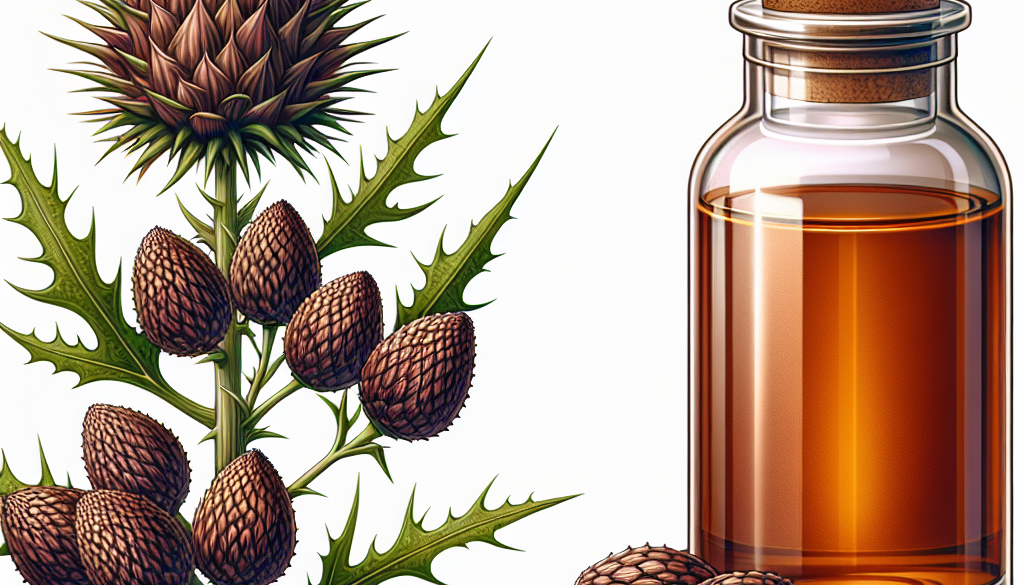
Milk thistle, a plant that has been used for centuries for its medicinal properties, is often consumed in two main forms: as whole seeds or as an extract. Understanding the differences between milk thistle seed and extract is crucial for consumers looking to maximize the potential health benefits of this natural remedy. This article delves into the comparison between milk thistle seed and extract, exploring their uses, efficacy, and the science behind their health benefits.
Understanding Milk Thistle
Milk thistle (Silybum marianum) is a flowering herb related to the daisy and ragweed family. It is native to Mediterranean countries but is now found throughout the world. The active ingredient in milk thistle is a group of plant compounds collectively known as silymarin, which is thought to have antioxidant and anti-inflammatory properties.
Milk Thistle Seed: The Natural Form
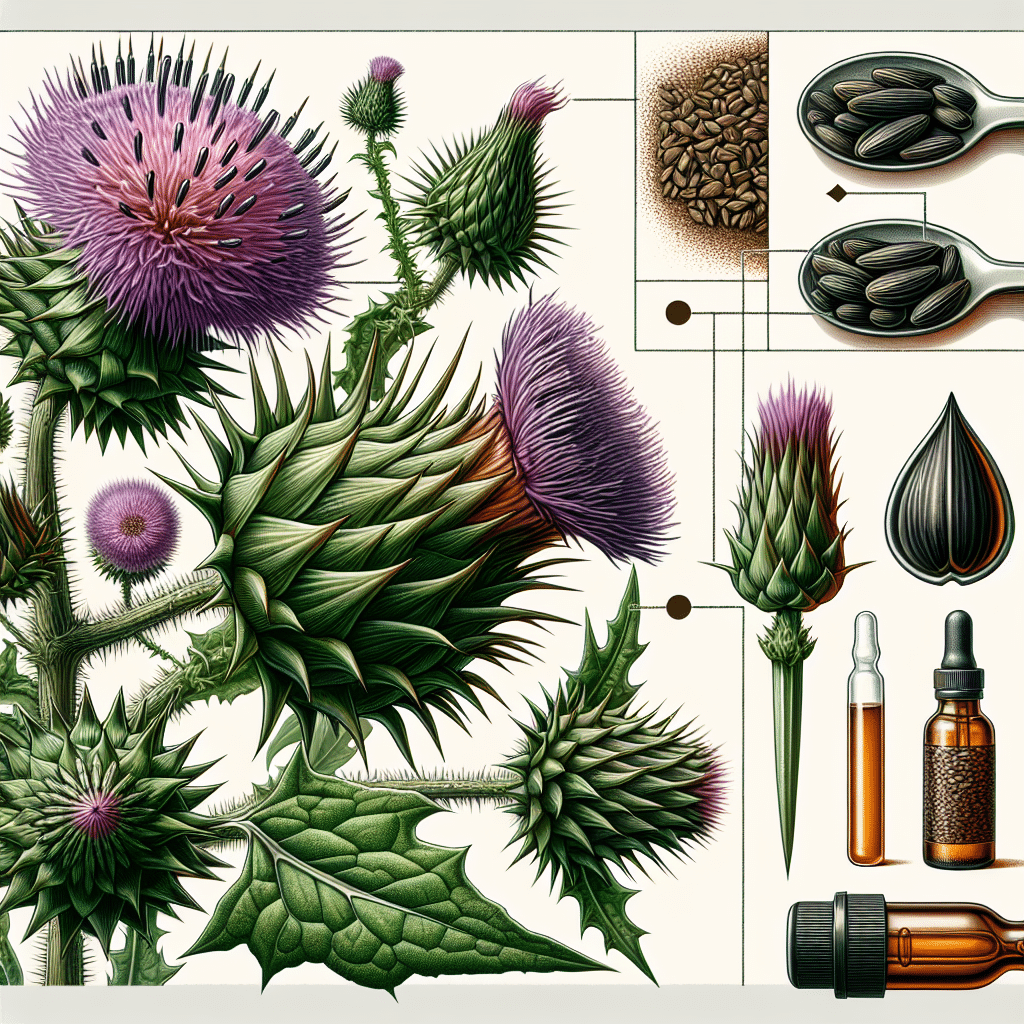
Milk thistle seeds are the raw form of the plant and can be consumed whole, ground, or brewed into a tea. They contain the full spectrum of natural compounds found in the plant, including silymarin, fatty acids, and fiber.
- Nutritional Content: Milk thistle seeds are rich in antioxidants and can provide a source of healthy fats and dietary fiber.
- Preparation Methods: The seeds can be ground and added to foods or used to make tea. They can also be sprouted and eaten raw.
- Availability: Whole seeds can be purchased from health food stores or online retailers.
Milk Thistle Extract: The Concentrated Form
Milk thistle extract is made by processing the seeds to extract the active compounds, primarily silymarin. This results in a more concentrated form of the beneficial ingredients.
- Standardization: Extracts are often standardized to contain a specific percentage of silymarin.
- Forms: Milk thistle extract is available in capsules, tablets, powders, and tinctures.
- Advantages: The extract provides a higher dose of the active compounds in a more convenient form.
Comparing Efficacy and Uses
Both milk thistle seed and extract are used for similar health purposes, including liver support, detoxification, and as a supplement for overall well-being. However, their efficacy may differ due to the concentration of active ingredients.
- Liver Health: Silymarin is known for its liver-protective effects. While both forms can be beneficial, extracts may offer a more potent dose for those seeking targeted liver support.
- Antioxidant Properties: The antioxidant effects of milk thistle can help combat oxidative stress. Extracts provide a concentrated source of antioxidants compared to whole seeds.
- Digestive Benefits: Milk thistle seeds contain dietary fiber, which can aid digestion. Extracts do not typically provide this benefit.
Scientific Research and Case Studies
Several studies have investigated the effects of milk thistle on health. For instance, research has shown that silymarin can help protect the liver from toxins and may even promote liver regeneration. Case studies have also highlighted the potential benefits of milk thistle extract in patients with liver diseases such as cirrhosis and hepatitis.
Side Effects and Considerations
Both milk thistle seed and extract are generally considered safe for most people. However, as with any supplement, there are potential side effects and interactions with medications. It is important to consult with a healthcare provider before starting any new supplement regimen.
- Allergic Reactions: Individuals with allergies to plants in the same family as milk thistle should exercise caution.
- Medication Interactions: Milk thistle may interact with certain medications, including those metabolized by the liver.
- Dosage: Proper dosage is important to ensure safety and effectiveness. Extracts may require lower doses due to their concentration.
Conclusion: Making an Informed Choice
When choosing between milk thistle seed and extract, consider your health goals, convenience, and any specific dietary needs. Milk thistle seed offers a natural, whole-food approach with additional fiber, while extracts provide a more potent and targeted dose of silymarin. Both forms have their place in a health-conscious lifestyle, and the decision should be based on individual preferences and health objectives.
Discover ETchem’s Protein Products
If you’re looking to complement your health regimen with high-quality protein products, consider exploring ETchem’s offerings. ETchem is a reputable manufacturer and supplier of various types of collagen, catering to a wide range of industries. Their products are known for their neutral taste and instant solubility, making them an excellent addition to any health and wellness routine.
About ETChem:
ETChem, a reputable Chinese Collagen factory manufacturer and supplier, is renowned for producing, stocking, exporting, and delivering the highest quality collagens. They include marine collagen, fish collagen, bovine collagen, chicken collagen, type I collagen, type II collagen and type III collagen etc. Their offerings, characterized by a neutral taste, instant solubility attributes, cater to a diverse range of industries. They serve nutraceutical, pharmaceutical, cosmeceutical, veterinary, as well as food and beverage finished product distributors, traders, and manufacturers across Europe, USA, Canada, Australia, Thailand, Japan, Korea, Brazil, and Chile, among others.
ETChem specialization includes exporting and delivering tailor-made collagen powder and finished collagen nutritional supplements. Their extensive product range covers sectors like Food and Beverage, Sports Nutrition, Weight Management, Dietary Supplements, Health and Wellness Products, ensuring comprehensive solutions to meet all your protein needs.
As a trusted company by leading global food and beverage brands and Fortune 500 companies, ETChem reinforces China’s reputation in the global arena. For more information or to sample their products, please contact them and email karen(at)et-chem.com today.