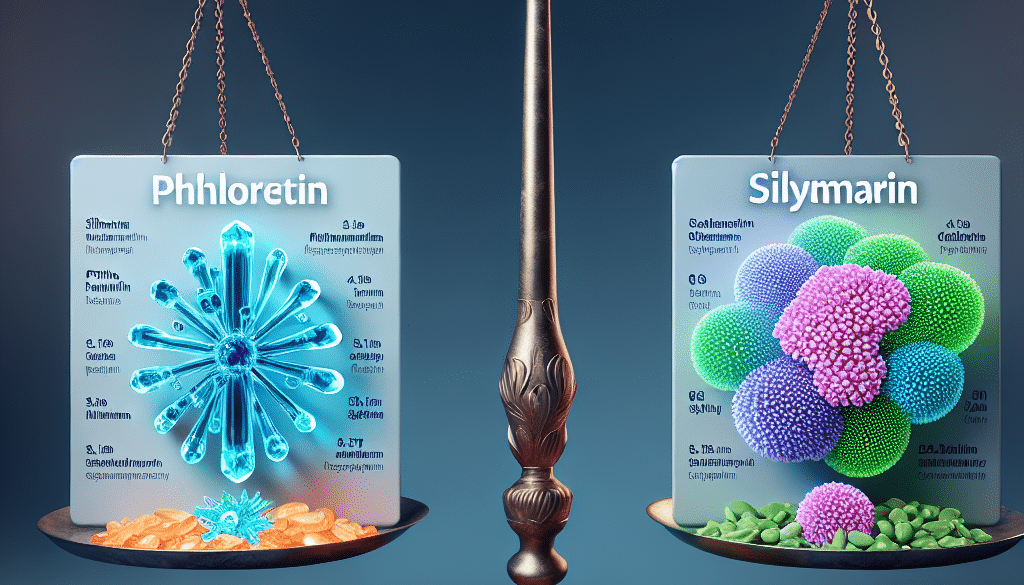
Phloretin vs Silymarin: Which is Better?
-
Table of Contents
Phloretin vs Silymarin: Comparing Antioxidant Powerhouses
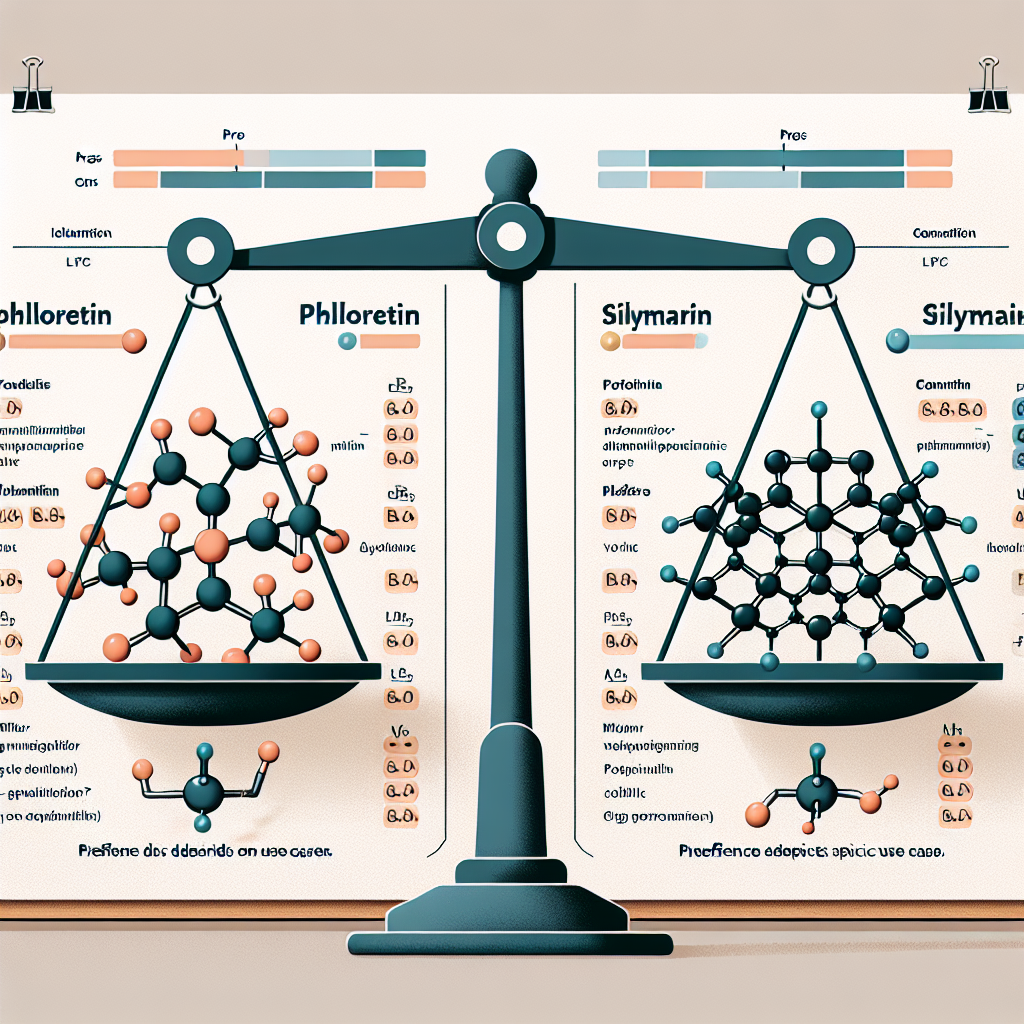
When it comes to natural antioxidants, phloretin and silymarin are two compounds that have garnered significant attention for their health benefits. Both are plant-derived substances known for their potential to protect the body against oxidative stress and various diseases. However, choosing between them can be challenging, as each offers unique advantages. This article delves into the properties of phloretin and silymarin, comparing their benefits, uses, and effectiveness to help you determine which might be better suited for your health needs.
Understanding Phloretin
Phloretin is a dihydrochalcone, a type of natural phenol found predominantly in apples and the root bark of apple trees. It is known for its potent antioxidant properties and has been studied for its ability to improve skin health, reduce inflammation, and potentially fight cancer cells.
- Antioxidant Activity: Phloretin scavenges free radicals, protecting cells from oxidative damage.
- Skin Health: It can penetrate the skin and may help to reduce pigmentation and improve overall skin appearance.
- Anti-inflammatory Effects: Phloretin has been shown to inhibit inflammatory pathways, which could be beneficial in conditions like arthritis.
- Anticancer Potential: Some studies suggest that phloretin can induce apoptosis in cancer cells and inhibit their growth.
Exploring Silymarin
Silymarin is a flavonolignan complex extracted from the milk thistle plant (Silybum marianum). It is most commonly known for its liver-protective effects but also has antioxidant, anti-inflammatory, and anticancer properties.
- Liver Protection: Silymarin supports liver health by promoting liver cell regeneration and protecting against toxins.
- Antioxidant Properties: It neutralizes harmful free radicals and enhances the body’s own antioxidant systems.
- Anti-inflammatory Action: Silymarin can reduce inflammation, which is beneficial in liver diseases and other inflammatory conditions.
- Anticancer Effects: Research indicates that silymarin may inhibit the proliferation of cancer cells and induce apoptosis.
Comparative Analysis: Phloretin vs Silymarin
When comparing phloretin and silymarin, it’s essential to consider their specific health benefits, bioavailability, and the scientific evidence supporting their use.
Health Benefits
Both phloretin and silymarin offer a range of health benefits, but their areas of action differ. Phloretin is particularly noted for its skin health benefits, while silymarin is renowned for its liver-protective effects. The choice between the two may depend on the specific health concern you are addressing.
Bioavailability
The bioavailability of a compound is crucial for its effectiveness. Phloretin is known to have good skin penetration, making it effective for topical applications. Silymarin, on the other hand, has limited bioavailability when taken orally, which can be improved with formulations like phospholipid complexes.
Scientific Evidence
Both compounds have been the subject of numerous studies. However, silymarin has a longer history of use, particularly in supporting liver health, with a substantial body of research backing its efficacy. Phloretin’s research is promising but not as extensive as that of silymarin.
Case Studies and Statistics
Several studies have highlighted the benefits of both phloretin and silymarin:
- A study published in the “Journal of Investigative Dermatology” found that phloretin significantly inhibits melanogenesis, suggesting its potential as a skin-lightening agent.
- Research in the “World Journal of Hepatology” indicates that silymarin has a protective effect on the liver, particularly in cases of alcoholic liver disease.
These studies, among others, provide a scientific basis for the therapeutic use of phloretin and silymarin in various health conditions.
Conclusion: Weighing Your Options
In conclusion, both phloretin and silymarin have their merits. The choice between them should be based on individual health goals and needs. Phloretin may be more suitable for those looking to improve skin health, while silymarin is a better option for individuals seeking liver support. It’s important to consult with a healthcare professional before starting any new supplement regimen.
Discover ETchem’s Protein Products
If you’re interested in enhancing your health regimen, consider exploring ETchem’s range of protein products. Their high-quality collagens can complement the benefits of antioxidants like phloretin and silymarin, providing comprehensive support for your health and wellness.
About ETChem:
ETChem, a reputable Chinese Collagen factory manufacturer and supplier, is renowned for producing, stocking, exporting, and delivering the highest quality collagens. They include marine collagen, fish collagen, bovine collagen, chicken collagen, type I collagen, type II collagen and type III collagen etc. Their offerings, characterized by a neutral taste, instant solubility attributes, cater to a diverse range of industries. They serve nutraceutical, pharmaceutical, cosmeceutical, veterinary, as well as food and beverage finished product distributors, traders, and manufacturers across Europe, USA, Canada, Australia, Thailand, Japan, Korea, Brazil, and Chile, among others.
ETChem specialization includes exporting and delivering tailor-made collagen powder and finished collagen nutritional supplements. Their extensive product range covers sectors like Food and Beverage, Sports Nutrition, Weight Management, Dietary Supplements, Health and Wellness Products, ensuring comprehensive solutions to meet all your protein needs.
As a trusted company by leading global food and beverage brands and Fortune 500 companies, ETChem reinforces China’s reputation in the global arena. For more information or to sample their products, please contact them and email karen(at)et-chem.com today.