Sugar Reduction in Latin America: Industry Challenges Addressed
-
Table of Contents
- Sugar Reduction in Latin America: Tackling Industry Challenges
- The Health Implications of Sugar Consumption
- Regulatory Measures and Consumer Awareness
- Challenges Faced by the Food Industry
- Reformulation and Consumer Acceptance
- Finding Suitable Sugar Alternatives
- Cost Implications
- Industry Innovations and Solutions
- Case Studies of Successful Reformulation
- Investment in Research and Development
- Collaboration with Governments and NGOs
- Conclusion: The Road Ahead for Sugar Reduction
- ETChem: Meeting Protein Needs with Collagen Products
Sugar Reduction in Latin America: Tackling Industry Challenges
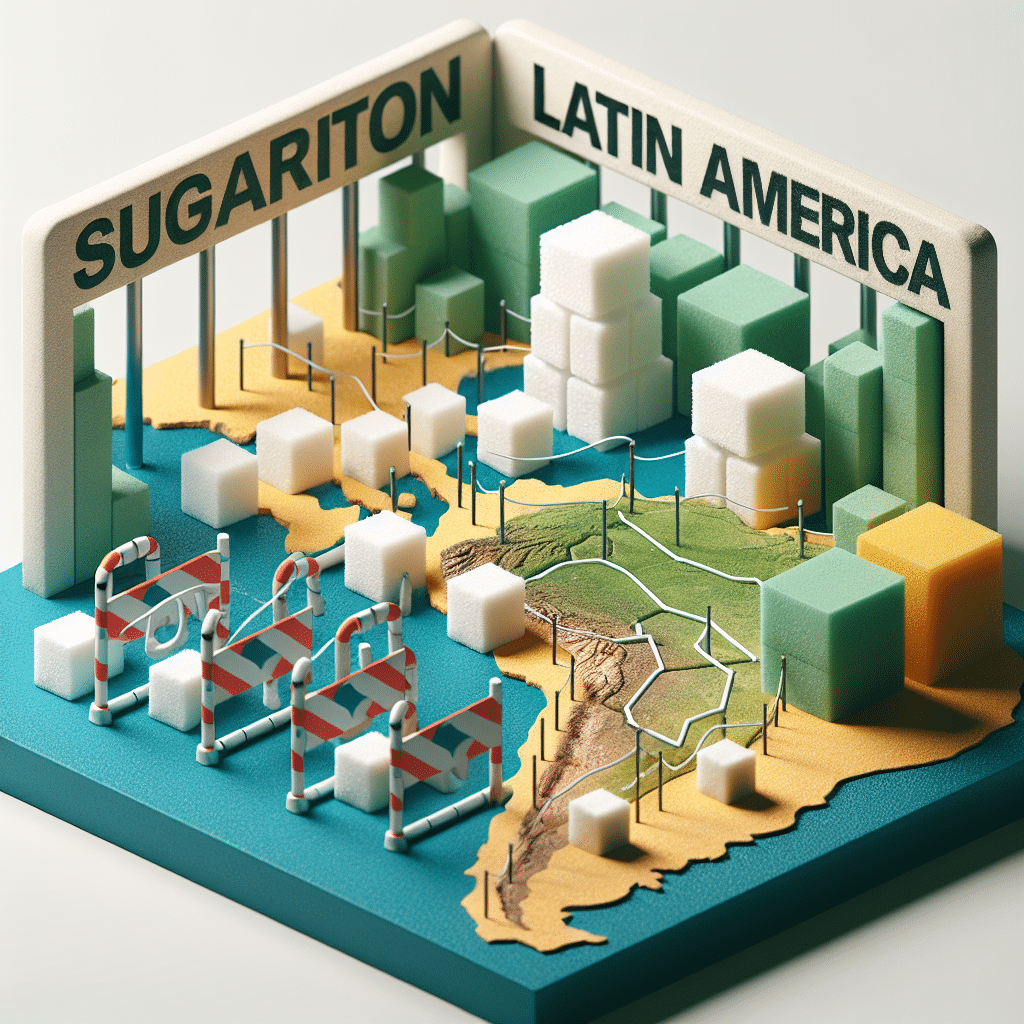
The global movement towards healthier lifestyles has put the spotlight on sugar consumption and its associated health risks. Latin America, a region with a high prevalence of obesity and diabetes, is no exception to this trend. Governments, consumers, and the food industry are increasingly focused on reducing sugar intake. This article explores the challenges faced by the industry in Latin America as it strives to reduce sugar content in food and beverages, and how these challenges are being addressed.
The Health Implications of Sugar Consumption
Excessive sugar consumption is linked to a range of health issues, including obesity, type 2 diabetes, heart disease, and tooth decay. In Latin America, these health concerns are particularly acute. For instance, Mexico has one of the highest rates of obesity and diabetes in the world, a situation exacerbated by high sugar intake. The urgency to address this public health crisis has led to various initiatives aimed at sugar reduction.
Regulatory Measures and Consumer Awareness
Several Latin American countries have implemented regulatory measures to curb sugar consumption. These include soda taxes, mandatory front-of-package labeling, and restrictions on marketing sugary products to children. Consumer awareness campaigns have also been instrumental in educating the public about the dangers of excessive sugar intake.
- Mexico’s soda tax has led to a measurable decrease in sugary drink sales.
- Chile’s Law of Food Labeling and Advertising, which includes black stop signs on high-in-sugar products, has been a model for other countries.
Challenges Faced by the Food Industry
The push for sugar reduction presents several challenges for the food industry in Latin America. These include reformulating products to maintain taste and texture, finding suitable sugar alternatives, and managing increased production costs.
Reformulation and Consumer Acceptance
Reformulating products to reduce sugar without compromising taste is a significant challenge. Consumers have grown accustomed to the sweet flavors of many products, and any change can lead to a negative response. The industry must invest in research and development to find the right balance that maintains consumer loyalty.
Finding Suitable Sugar Alternatives
Identifying sugar substitutes that are acceptable in terms of taste, safety, and cost is another hurdle. Natural sweeteners like stevia have gained popularity, but their flavor profile can be challenging to incorporate into some products. Artificial sweeteners, while effective in reducing sugar content, often face consumer resistance due to health concerns.
Cost Implications
Reducing sugar content can lead to increased production costs. Alternative sweeteners, new ingredients, and the reformulation process itself require investment. Small and medium-sized enterprises (SMEs) in particular may struggle with the financial burden of these changes.
Industry Innovations and Solutions
In response to these challenges, the food industry in Latin America is innovating and finding solutions to reduce sugar content while maintaining product quality and consumer satisfaction.
Case Studies of Successful Reformulation
Some companies have successfully reformulated their products with reduced sugar content. For example, a major beverage company in Mexico reduced the sugar in its drinks by 30% without affecting sales, thanks to extensive consumer research and gradual changes.
Investment in Research and Development
Investment in R&D is crucial for finding new ways to reduce sugar. Companies are exploring novel ingredients and technologies, such as flavor modulators and high-potency sweeteners, to create healthier products without sacrificing taste.
Collaboration with Governments and NGOs
Collaboration between the food industry, governments, and non-governmental organizations (NGOs) can lead to more effective strategies for sugar reduction. These partnerships can facilitate knowledge sharing, provide financial support for SMEs, and help align public health goals with industry practices.
Conclusion: The Road Ahead for Sugar Reduction
The journey towards sugar reduction in Latin America is complex, with the food industry facing multiple challenges. However, through regulatory measures, consumer education, industry innovation, and collaboration, significant progress is being made. The key takeaways include the importance of gradual reformulation, investment in R&D, and the need for partnerships to support SMEs. As the region continues to address these challenges, the health of its population stands to benefit greatly.
ETChem: Meeting Protein Needs with Collagen Products
In the context of sugar reduction, protein-rich products are gaining popularity as healthier alternatives. ETChem’s protein products, including their diverse range of collagens, offer an excellent option for companies looking to expand their portfolio with nutritious and health-conscious choices. Their high-quality collagens are ideal for various applications, from nutraceuticals to food and beverage products, providing consumers with beneficial protein intake while supporting sugar reduction efforts.
About ETChem:
ETChem, a reputable Chinese Collagen factory manufacturer and supplier, is renowned for producing, stocking, exporting, and delivering the highest quality collagens. They include marine collagen, fish collagen, bovine collagen, chicken collagen, type I collagen, type II collagen and type III collagen etc. Their offerings, characterized by a neutral taste, instant solubility attributes, cater to a diverse range of industries. They serve nutraceutical, pharmaceutical, cosmeceutical, veterinary, as well as food and beverage finished product distributors, traders, and manufacturers across Europe, USA, Canada, Australia, Thailand, Japan, Korea, Brazil, and Chile, among others.
ETChem specialization includes exporting and delivering tailor-made collagen powder and finished collagen nutritional supplements. Their extensive product range covers sectors like Food and Beverage, Sports Nutrition, Weight Management, Dietary Supplements, Health and Wellness Products, ensuring comprehensive solutions to meet all your protein needs.
As a trusted company by leading global food and beverage brands and Fortune 500 companies, ETChem reinforces China’s reputation in the global arena. For more information or to sample their products, please contact them and email karen(at)et-chem.com today.