
Superfoods of the Future: Lab Innovations Unveiled
-
Table of Contents
- Superfoods of the Future: Innovations from the Lab Unveiled
- The Rise of Lab-Grown Superfoods
- Cellular Agriculture: A New Frontier
- Genetic Engineering and CRISPR
- Case Studies: Lab Innovations in Action
- Impact on Health and Sustainability
- Statistics and Predictions
- Conclusion: Embracing the Superfoods of Tomorrow
- Discover ETChem’s Protein Products
Superfoods of the Future: Innovations from the Lab Unveiled
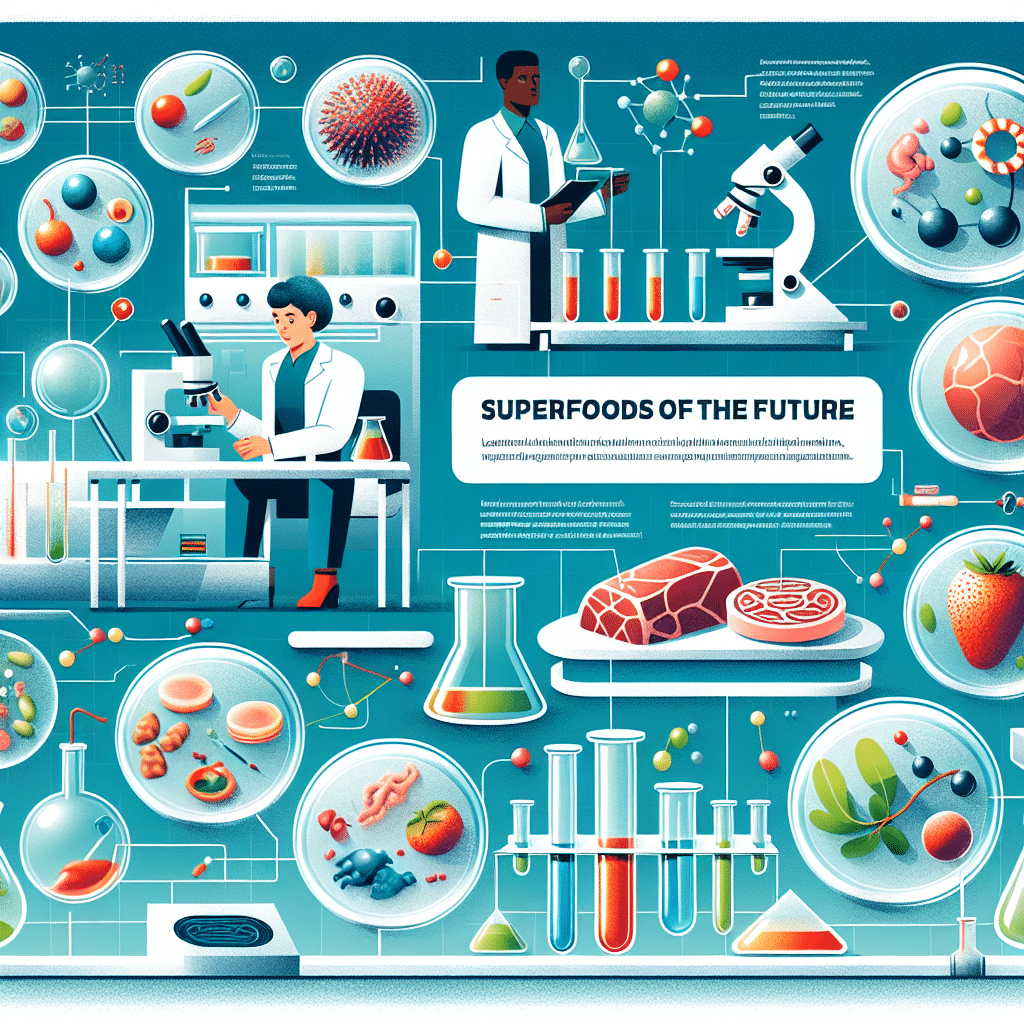
The quest for optimal health and nutrition has led to the rise of superfoods—nutrient-rich foods considered to be especially beneficial for health and well-being. As we look to the future, scientific advancements are paving the way for a new generation of superfoods, born not from traditional agriculture, but from the cutting-edge laboratories of food scientists and biotechnologists. In this article, we will explore the lab innovations that are set to redefine superfoods and how they could impact our diets and health.
The Rise of Lab-Grown Superfoods
Lab-grown superfoods are a response to the growing demand for sustainable, nutritious, and ethical food sources. With the global population projected to reach nearly 10 billion by 2050, traditional farming methods may not be able to keep up with the demand for food, let alone the demand for nutrient-dense superfoods. This is where lab innovations come into play, offering a promising solution to these challenges.
Cellular Agriculture: A New Frontier
Cellular agriculture is a form of biotechnology that involves growing agricultural products from cell cultures rather than whole plants or animals. This technology has the potential to produce superfoods with enhanced nutritional profiles, including increased vitamins, minerals, and antioxidants, while reducing the environmental footprint associated with traditional farming.
- Meat Alternatives: Companies like Beyond Meat and Impossible Foods are already making waves with plant-based proteins that mimic the taste and texture of meat. However, the next step is lab-grown meat, which is actual animal tissue cultured in a lab, offering the same nutritional benefits without the ethical and environmental concerns.
- Dairy Alternatives: Perfect Day is a company that uses fermentation to create dairy proteins without cows. These proteins can be used to make ice cream, cheese, and other dairy products that are indistinguishable from their traditional counterparts.
- Omega-3 Production: Companies are engineering microalgae to produce omega-3 fatty acids, which are essential for heart and brain health. This method could provide a more sustainable and vegetarian source of these important nutrients.
Genetic Engineering and CRISPR
Genetic engineering, including CRISPR technology, allows scientists to edit the DNA of plants and animals to enhance their nutritional value. This could lead to the creation of superfoods with tailored nutrient profiles to address specific health concerns or deficiencies.
- Golden Rice: This genetically modified rice has been engineered to produce beta-carotene, a precursor to vitamin A, which is lacking in the diets of many people in developing countries.
- High-Protein Crops: Researchers are working on modifying crops like lentils and chickpeas to have higher protein content, making them even more nutritious and beneficial for those on plant-based diets.
Case Studies: Lab Innovations in Action
Several companies and research institutions have already made significant strides in developing lab-grown superfoods. Here are a few examples:
- Memphis Meats: This startup is at the forefront of cultured meat technology, having successfully grown beef, chicken, and duck directly from animal cells.
- Solar Foods: This Finnish company is producing a protein-rich food called Solein from bacteria using electricity and air, with minimal environmental impact.
- Amyris: This biotech firm uses yeast to produce a variety of compounds, including a zero-calorie sweetener that is naturally derived and sustainable.
Impact on Health and Sustainability
The development of lab-grown superfoods has the potential to revolutionize the way we think about food, health, and the environment. By reducing reliance on resource-intensive farming practices, these innovations could help mitigate climate change and promote biodiversity. Additionally, lab-grown superfoods can be fortified with essential nutrients, potentially reducing malnutrition and improving public health on a global scale.
Statistics and Predictions
According to a report by AT Kearney, by 2040, it is predicted that 60% of the meat consumed will be either lab-grown or plant-based replacements. The plant-based protein market is expected to reach $40.6 billion by 2025, according to a report by MarketsandMarkets. These figures underscore the growing interest and investment in lab-grown superfoods and their potential to reshape the food industry.
Conclusion: Embracing the Superfoods of Tomorrow
The innovations emerging from labs around the world are setting the stage for a new era of superfoods. These advancements promise to deliver not only superior nutrition but also a more sustainable and ethical approach to food production. As consumers become more conscious of their dietary choices and their impact on the planet, lab-grown superfoods are likely to become a significant part of our diets.
It’s an exciting time for food technology, and the future looks bright for those seeking to balance their health needs with their environmental and ethical values. The superfoods of the future are not just a possibility; they are already on their way to becoming a reality.
Discover ETChem’s Protein Products
As we anticipate the widespread adoption of lab-grown superfoods, it’s important to recognize companies that are already making strides in providing high-quality protein products. ETChem is one such company, offering a range of collagen products that cater to various industries and consumer needs. Their commitment to quality and sustainability makes them a perfect partner for those looking to enhance their product offerings with superior protein solutions.
About ETChem:
ETChem, a reputable Chinese Collagen factory manufacturer and supplier, is renowned for producing, stocking, exporting, and delivering the highest quality collagens. They include marine collagen, fish collagen, bovine collagen, chicken collagen, type I collagen, type II collagen and type III collagen etc. Their offerings, characterized by a neutral taste, instant solubility attributes, cater to a diverse range of industries. They serve nutraceutical, pharmaceutical, cosmeceutical, veterinary, as well as food and beverage finished product distributors, traders, and manufacturers across Europe, USA, Canada, Australia, Thailand, Japan, Korea, Brazil, and Chile, among others.
ETChem specialization includes exporting and delivering tailor-made collagen powder and finished collagen nutritional supplements. Their extensive product range covers sectors like Food and Beverage, Sports Nutrition, Weight Management, Dietary Supplements, Health and Wellness Products, ensuring comprehensive solutions to meet all your protein needs.
As a trusted company by leading global food and beverage brands and Fortune 500 companies, ETChem reinforces China’s reputation in the global arena. For more information or to sample their products, please contact them and email karen(at)et-chem.com today.