
Sustainable Foodservice Evolution: 4 Influential Trends
-
Table of Contents
Sustainable Foodservice Evolution: 4 Influential Trends
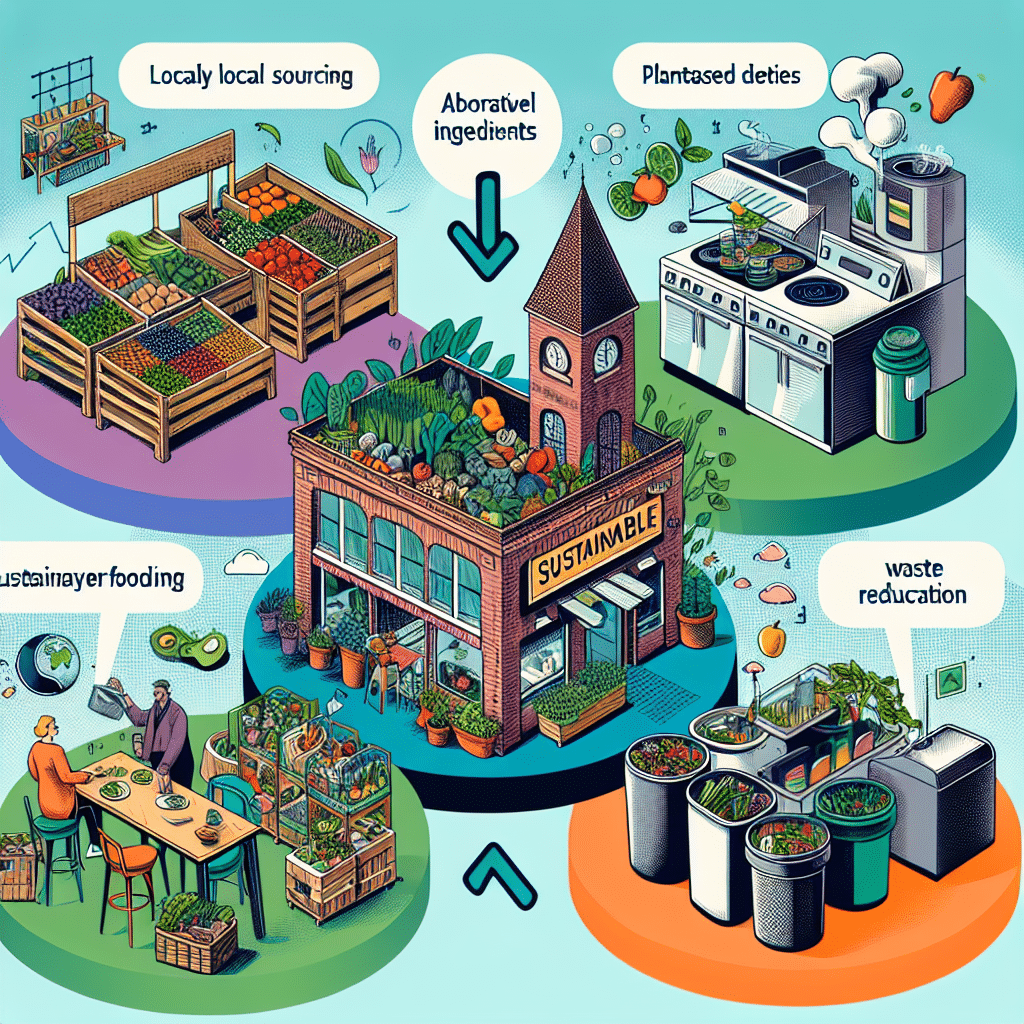
The foodservice industry is undergoing a significant transformation as sustainability becomes a central focus for consumers and businesses alike. With the increasing awareness of environmental issues and the impact of food production on the planet, restaurants, cafes, and caterers are adapting to meet the demand for more sustainable practices. This article explores four influential trends that are shaping the sustainable evolution of the foodservice sector.
1. Farm-to-Table and Locally Sourced Ingredients
One of the most prominent trends in sustainable foodservice is the farm-to-table movement, which emphasizes the use of locally sourced ingredients. This approach not only supports local farmers and reduces the carbon footprint associated with long-distance transportation but also ensures that customers are served the freshest and most nutritious food possible.
- Seasonal Menus: Many restaurants are now designing their menus based on the availability of seasonal produce, which not only enhances flavor but also promotes biodiversity.
- Community Supported Agriculture (CSA): Foodservice businesses are partnering with CSAs to receive regular deliveries of farm-fresh produce, fostering a direct connection between farmers and chefs.
Case studies, such as the success of farm-to-table restaurants like Blue Hill at Stone Barns in New York, demonstrate the viability and popularity of this approach. Moreover, statistics show that locally sourced meats and seafood are a top trend in restaurant menus, according to the National Restaurant Association’s annual survey.
2. Waste Reduction and Management
Reducing waste is a critical component of sustainable foodservice. Restaurants are implementing various strategies to minimize waste, from careful inventory management to creative reuse of food scraps.
- Composting: Many establishments are now composting organic waste, which not only reduces landfill contributions but also creates nutrient-rich soil for local farming.
- Donation Programs: Surplus food is increasingly being donated to food banks and shelters, ensuring that less food goes to waste and more goes to those in need.
Examples of waste reduction can be seen in initiatives like the Zero Waste Bistro, which operated temporarily in New York City, showcasing how a zero-waste philosophy can be applied in a foodservice setting. Additionally, reports indicate that a significant percentage of consumers are more likely to visit a restaurant that practices food waste reduction.
3. Sustainable Packaging and Utensils
As takeout and delivery services grow, so does the concern over the environmental impact of disposable packaging and utensils. The industry is responding with innovative solutions that are both functional and sustainable.
- Biodegradable Materials: Many businesses are switching to packaging made from plant-based materials that can decompose naturally, reducing plastic pollution.
- Reusable Containers: Some foodservice providers are experimenting with reusable container programs where customers can return packaging for cleaning and reuse.
Brands like Loop are pioneering the reusable packaging model, partnering with major food companies to offer products in returnable containers. Research has shown that a growing number of consumers prefer to purchase from companies that offer sustainable packaging options.
4. Energy Efficiency and Conservation
Energy consumption is a significant concern for the foodservice industry, with restaurants typically using large amounts of electricity and gas. There is a growing trend towards implementing energy-efficient practices and equipment to reduce environmental impact and operational costs.
- Energy-Efficient Appliances: Upgrading to ENERGY STAR-rated appliances can lead to substantial energy savings and reduce greenhouse gas emissions.
- Conservation Training: Staff training programs on energy conservation can lead to more mindful usage of resources during food preparation and service.
Case studies like McDonald’s sustainability efforts show that even large fast-food chains can significantly reduce their energy usage by adopting LED lighting, energy-efficient appliances, and renewable energy sources. Statistics reveal that energy-efficient practices can lead to cost savings of up to 20% in the foodservice industry.
Conclusion
The sustainable foodservice evolution is driven by consumer demand and the industry’s recognition of its environmental responsibilities. The four influential trends of locally sourced ingredients, waste reduction, sustainable packaging, and energy efficiency are not only shaping the future of dining but also setting a standard for responsible business practices. By embracing these trends, foodservice providers can contribute to a healthier planet while meeting the expectations of environmentally conscious consumers.
ETChem’s Protein Products: A Sustainable Choice for Foodservice
In line with the sustainable foodservice trends, ETChem’s protein products offer an eco-friendly option for businesses looking to enhance their menu offerings. Their range of collagens, including marine, fish, bovine, and chicken collagen, are produced with sustainability in mind. These high-quality proteins are perfect for food and beverage applications, sports nutrition, and health and wellness products, providing a versatile ingredient for innovative and sustainable menu items.
About ETChem:
ETChem, a reputable Chinese Collagen factory manufacturer and supplier, is renowned for producing, stocking, exporting, and delivering the highest quality collagens. They include marine collagen, fish collagen, bovine collagen, chicken collagen, type I collagen, type II collagen and type III collagen etc. Their offerings, characterized by a neutral taste, instant solubility attributes, cater to a diverse range of industries. They serve nutraceutical, pharmaceutical, cosmeceutical, veterinary, as well as food and beverage finished product distributors, traders, and manufacturers across Europe, USA, Canada, Australia, Thailand, Japan, Korea, Brazil, and Chile, among others.
ETChem specialization includes exporting and delivering tailor-made collagen powder and finished collagen nutritional supplements. Their extensive product range covers sectors like Food and Beverage, Sports Nutrition, Weight Management, Dietary Supplements, Health and Wellness Products, ensuring comprehensive solutions to meet all your protein needs.
As a trusted company by leading global food and beverage brands and Fortune 500 companies, ETChem reinforces China’s reputation in the global arena. For more information or to sample their products, please contact them and email karen(at)et-chem.com today.