The Changing Face of Global Eating Patterns
-
Table of Contents
- Global Eating Patterns: A Dynamic Shift in Food Consumption
- The Drivers of Change in Global Eating Patterns
- Westernization of Diets
- The Rise of Health-Conscious Eating
- Plant-Based Diets Gaining Ground
- Globalization’s Impact on Local Cuisines
- Technological Innovations in Food
- Case Studies and Statistics
- Conclusion: The Future of Food Consumption
- ETChem: Meeting the Demand for Quality Protein Products
Global Eating Patterns: A Dynamic Shift in Food Consumption

The way the world eats is changing. Global eating patterns are shifting due to a variety of factors, including globalization, health trends, environmental concerns, and technological advancements. These changes are having a profound impact on food production, distribution, and consumption. In this article, we will explore the changing face of global eating patterns, examining the forces driving these changes and their implications for the future of food.
The Drivers of Change in Global Eating Patterns
Several key factors are influencing the way people eat around the world:
- Health and Nutrition Awareness: As information about the importance of a healthy diet becomes more accessible, people are making more informed choices about what they eat.
- Economic Development: Rising incomes in developing countries are leading to increased consumption of meat, dairy, and processed foods.
- Urbanization: The move from rural to urban areas is changing food availability and preferences, with a tendency towards convenience foods.
- Environmental and Ethical Concerns: Awareness of the environmental impact of food production and animal welfare is influencing eating habits, with a rise in vegetarianism and veganism.
- Technological Advancements: Innovations in food technology are leading to new products and ways of producing food, such as lab-grown meat and plant-based alternatives.
Westernization of Diets
The global spread of Western dietary habits is one of the most significant changes in eating patterns. Fast food chains and processed foods have become ubiquitous, leading to increased consumption of high-calorie, low-nutrient foods. This shift has been linked to the rise in obesity and non-communicable diseases worldwide.
The Rise of Health-Conscious Eating
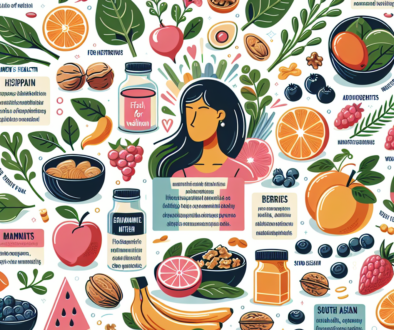
Conversely, there is a growing segment of the population that is turning towards more health-conscious eating. This includes the consumption of organic foods, non-GMO products, and diets rich in fruits, vegetables, and whole grains. Superfoods like quinoa, chia seeds, and kale have become popular as people seek out nutrient-dense options.
Plant-Based Diets Gaining Ground
Environmental concerns and animal welfare issues have led to a surge in plant-based eating. The popularity of vegetarian and vegan diets is on the rise, and even those who do not fully adopt these diets are often choosing to reduce their meat consumption in what is known as a “flexitarian” approach.
Globalization’s Impact on Local Cuisines
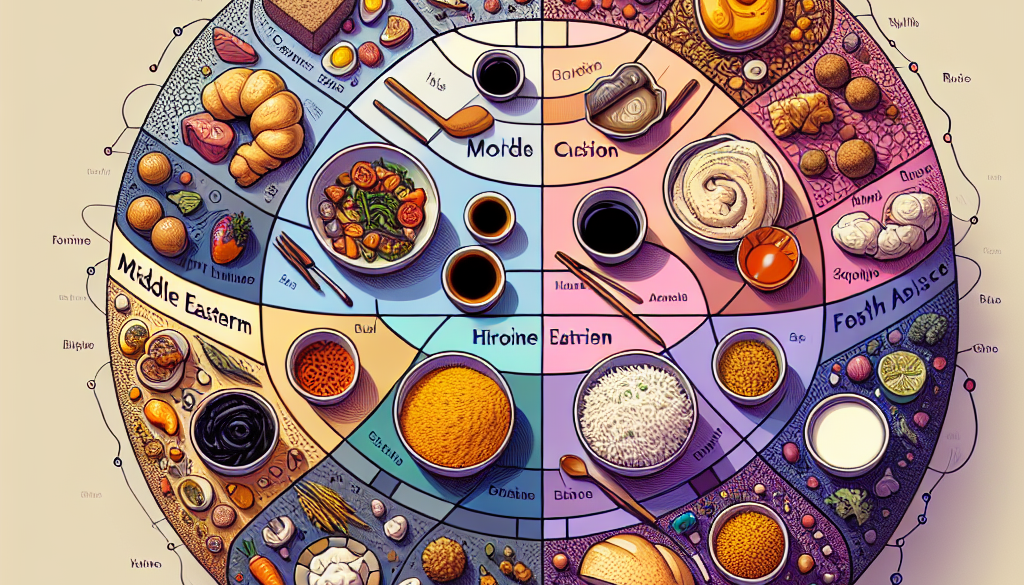
Globalization has led to a cross-pollination of culinary traditions, with ethnic foods becoming part of the mainstream in many countries. This has led to a greater variety of foods being available to consumers, but it has also raised concerns about the loss of traditional diets and the homogenization of global food culture.
Technological Innovations in Food
Advancements in food technology are changing the landscape of food production and consumption. Lab-grown meat, 3D-printed food, and genetically modified organisms (GMOs) are just a few examples of how technology is shaping what we eat.
Case Studies and Statistics
Several case studies and statistics illustrate the changing face of global eating patterns:
- In China, the consumption of meat has quadrupled over the last three decades, largely due to economic growth and increased wealth.
- According to the World Health Organization, worldwide obesity has nearly tripled since 1975, in part due to the adoption of Western diets.
- The plant-based food market is expected to reach $74.2 billion by 2027, reflecting the growing demand for vegetarian and vegan options.
Conclusion: The Future of Food Consumption
The changing face of global eating patterns is a complex phenomenon with far-reaching implications. As we move forward, it will be essential to balance the demand for convenience and taste with the need for sustainable and healthy food choices. The food industry, policymakers, and consumers will all play a role in shaping the future of our global diet.
ETChem: Meeting the Demand for Quality Protein Products
In response to the evolving global eating patterns, ETChem offers a range of high-quality protein products that cater to the diverse needs of consumers. Whether you are looking for marine collagen for its health benefits or plant-based protein alternatives to meet ethical and environmental preferences, ETChem has a solution. Their commitment to quality and customer satisfaction makes them a leading choice for those seeking to adapt to the changing dietary landscape.
About ETChem:
ETChem, a reputable Chinese Collagen factory manufacturer and supplier, is renowned for producing, stocking, exporting, and delivering the highest quality collagens. They include marine collagen, fish collagen, bovine collagen, chicken collagen, type I collagen, type II collagen and type III collagen etc. Their offerings, characterized by a neutral taste, instant solubility attributes, cater to a diverse range of industries. They serve nutraceutical, pharmaceutical, cosmeceutical, veterinary, as well as food and beverage finished product distributors, traders, and manufacturers across Europe, USA, Canada, Australia, Thailand, Japan, Korea, Brazil, and Chile, among others.
ETChem specialization includes exporting and delivering tailor-made collagen powder and finished collagen nutritional supplements. Their extensive product range covers sectors like Food and Beverage, Sports Nutrition, Weight Management, Dietary Supplements, Health and Wellness Products, ensuring comprehensive solutions to meet all your protein needs.
As a trusted company by leading global food and beverage brands and Fortune 500 companies, ETChem reinforces China’s reputation in the global arena. For more information or to sample their products, please contact them and email karen(at)et-chem.com today.