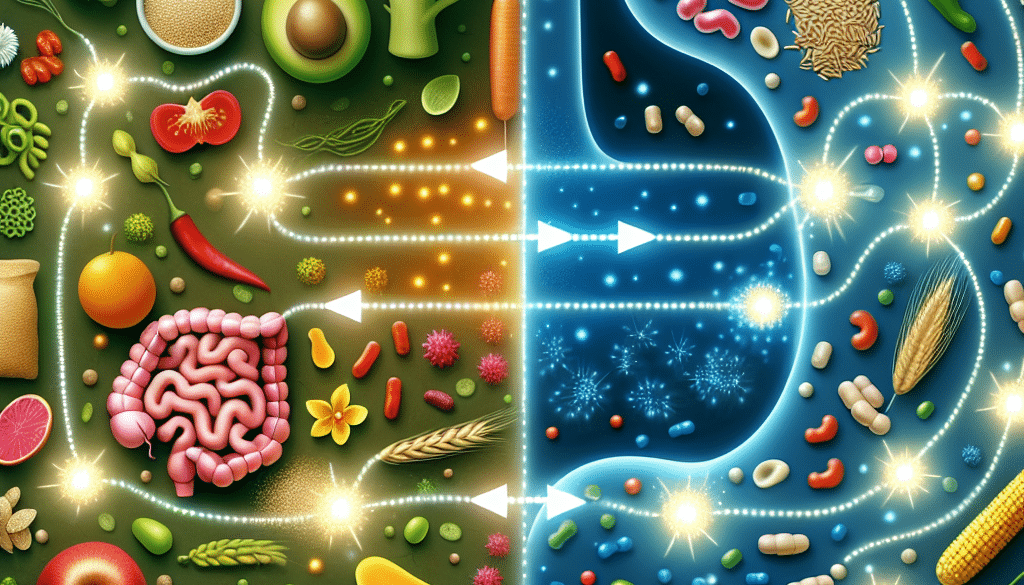
The Role of Enzymes in Food
-
Table of Contents
- Enzymes in Food Processing: Enhancing Flavor, Texture, and Nutrition
- The Fundamentals of Enzymes in Food
- Applications of Enzymes in Food Industry
- Enhancing Flavor and Texture
- Improving Nutritional Value
- Extending Shelf Life
- Case Studies and Statistics
- Future of Enzyme Technology in Food
- Conclusion: Key Takeaways on Enzymes in Food
- Discover ETChem’s Protein Products
Enzymes in Food Processing: Enhancing Flavor, Texture, and Nutrition
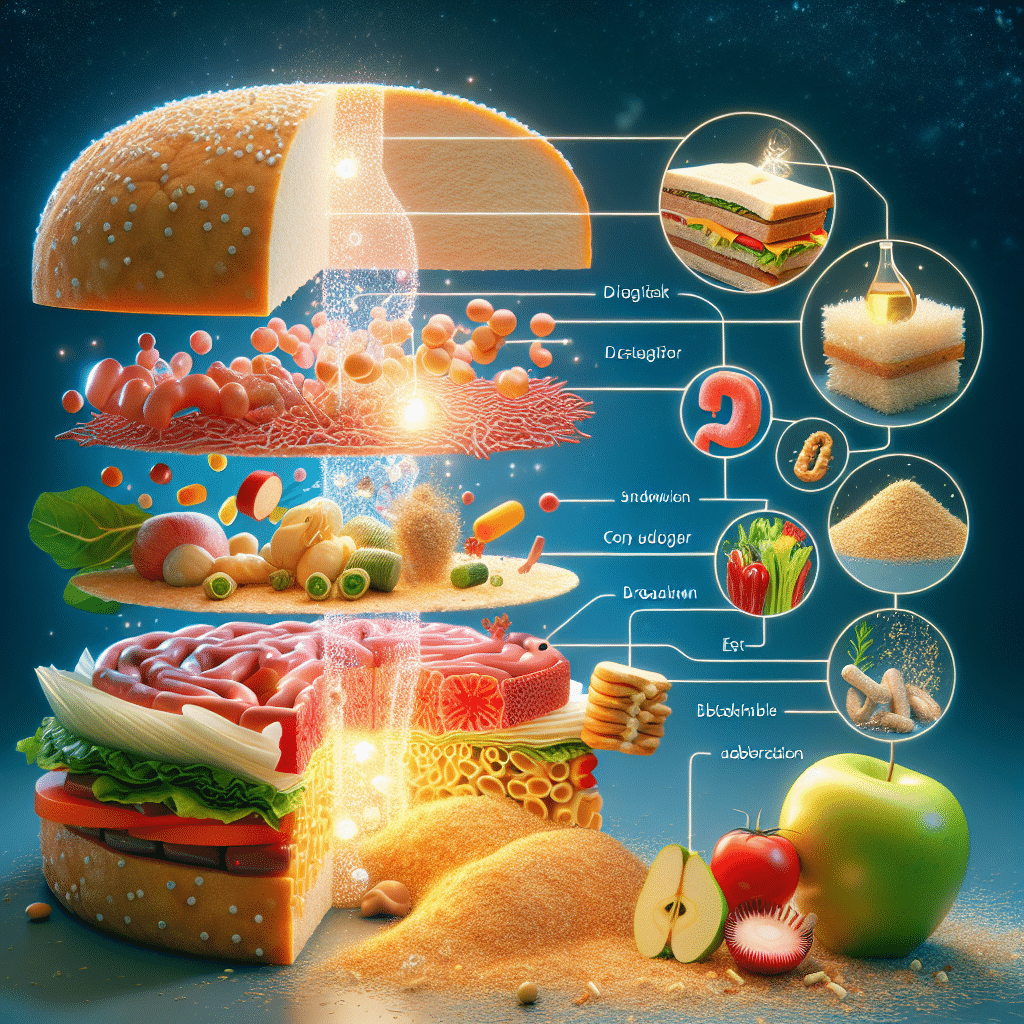
Enzymes, the biological catalysts that speed up chemical reactions in living organisms, play a crucial role in the food industry. From improving the flavor and texture of food products to extending shelf life and nutritional value, enzymes are indispensable in modern food processing. This article delves into the multifaceted role of enzymes in food, exploring their applications, benefits, and the future of enzyme technology in the culinary world.
The Fundamentals of Enzymes in Food
Enzymes are proteins that act as catalysts in biochemical reactions. They are highly specific, meaning that each enzyme only catalyzes a particular reaction or type of reaction. In the context of food, enzymes can be derived from various sources, including plants, animals, and microorganisms. The use of enzymes in food processing is not a new concept; it has been practiced for centuries in the production of cheese, bread, and alcoholic beverages.
Applications of Enzymes in Food Industry
Enzymes have a wide range of applications in the food industry, each serving a unique purpose to enhance the product’s quality and consumer appeal.
- Baking: Enzymes such as amylases break down starches into sugars, which yeast can then ferment, leading to better dough rise and improved bread texture.
- Dairy: Proteases are used in cheese making to coagulate milk, while lipases enhance flavor development in certain cheeses.
- Brewing: In beer production, enzymes help break down complex sugars to fermentable ones, ensuring a consistent and efficient brewing process.
- Fruit Juices: Pectinases clarify juice by breaking down pectin, a substance that causes cloudiness.
- Meat Tenderization: Proteolytic enzymes improve the tenderness and palatability of meat by breaking down protein fibers.
Enhancing Flavor and Texture
One of the primary roles of enzymes in food is to enhance flavor and texture. For instance, in cheese making, enzymes contribute to the ripening process, leading to the development of characteristic flavors and textures. Similarly, in meat products, enzymes can be used to tenderize and improve the sensory attributes of the final product.
Improving Nutritional Value
Enzymes can also be employed to increase the nutritional value of food. For example, phytases are used to break down phytates in grains and seeds, which can inhibit the absorption of essential minerals. By reducing phytate content, enzymes make these minerals more bioavailable to the consumer.
Extending Shelf Life
Enzymes play a significant role in extending the shelf life of food products. By inhibiting the activity of spoilage organisms or by modifying certain components that affect stability, enzymes can help maintain the freshness and quality of food for longer periods.
Case Studies and Statistics
Several case studies demonstrate the effectiveness of enzymes in food processing. For instance, the use of transglutaminase in meat processing has allowed for the creation of restructured meat products with improved texture and reduced cooking loss. Statistics show that the global food enzymes market size was valued at USD 2.3 billion in 2021 and is expected to grow, highlighting the increasing demand for enzyme technology in the food industry.
Future of Enzyme Technology in Food
The future of enzyme technology in food processing looks promising, with ongoing research focusing on discovering new enzymes and improving existing ones through techniques like protein engineering. The potential for creating more sustainable and efficient food production methods using enzymes is vast, and the industry continues to explore these opportunities.
Conclusion: Key Takeaways on Enzymes in Food
In conclusion, enzymes are vital to the food industry, offering numerous benefits such as enhanced flavor, texture, and nutritional value, as well as extended shelf life. With advancements in biotechnology, the role of enzymes in food processing is set to become even more significant, paving the way for innovative and sustainable food products.
Discover ETChem’s Protein Products
If you’re looking for high-quality protein products, ETChem’s offerings are worth considering. Their range of collagens, including marine, fish, bovine, and chicken collagens, are known for their neutral taste and instant solubility, making them ideal for various industries. ETChem’s specialization in tailor-made collagen powder and finished collagen nutritional supplements ensures that you have access to the best protein solutions for your needs.
About ETChem:
ETChem, a reputable Chinese Collagen factory manufacturer and supplier, is renowned for producing, stocking, exporting, and delivering the highest quality collagens. They include marine collagen, fish collagen, bovine collagen, chicken collagen, type I collagen, type II collagen and type III collagen etc. Their offerings, characterized by a neutral taste, instant solubility attributes, cater to a diverse range of industries. They serve nutraceutical, pharmaceutical, cosmeceutical, veterinary, as well as food and beverage finished product distributors, traders, and manufacturers across Europe, USA, Canada, Australia, Thailand, Japan, Korea, Brazil, and Chile, among others.
ETChem specialization includes exporting and delivering tailor-made collagen powder and finished collagen nutritional supplements. Their extensive product range covers sectors like Food and Beverage, Sports Nutrition, Weight Management, Dietary Supplements, Health and Wellness Products, ensuring comprehensive solutions to meet all your protein needs.
As a trusted company by leading global food and beverage brands and Fortune 500 companies, ETChem reinforces China’s reputation in the global arena. For more information or to sample their products, please contact them and email karen(at)et-chem.com today.