
What part of maitake can you eat?
-
Table of Contents
- Maitake Mushrooms: The Edible Delights of a Fungal Favorite
- Understanding Maitake Mushrooms
- Edible Parts of Maitake Mushrooms
- Nutritional Benefits of Maitake Mushrooms
- Incorporating Maitake Mushrooms into Your Diet
- Conclusion: The Versatile and Nutritious Maitake Mushroom
- Discover ETChem’s Protein Products
Maitake Mushrooms: The Edible Delights of a Fungal Favorite
Maitake mushrooms, scientifically known as Grifola frondosa, have been a culinary and medicinal staple in Eastern cultures for centuries. With their rich, earthy flavor and numerous health benefits, these mushrooms are gaining popularity worldwide. But when it comes to consuming maitake, many people wonder which parts are edible and how to prepare them. This article delves into the edible parts of maitake mushrooms, their nutritional benefits, and how to incorporate them into your diet.
Understanding Maitake Mushrooms
Maitake mushrooms, also known as “hen of the woods,” grow wild in parts of Japan, China, and North America. They typically sprout at the base of oak trees and are easily recognizable by their cluster of dark, overlapping caps resembling the feathers of a fluffed-up hen. Maitake has a distinctive aroma and a savory, slightly nutty taste that enhances a variety of dishes.
Edible Parts of Maitake Mushrooms
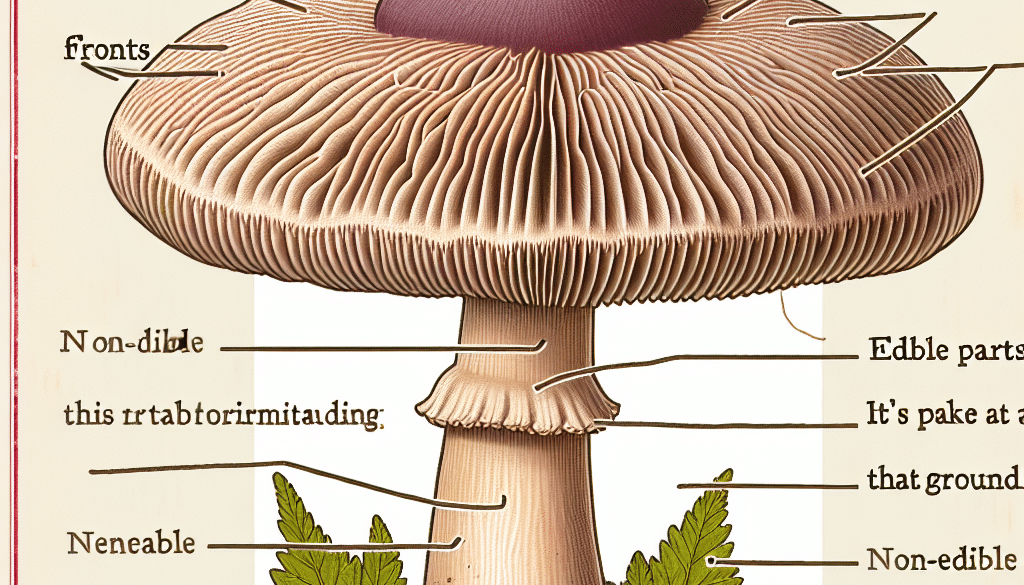
When it comes to maitake mushrooms, the entire fungus is edible. This includes the caps, the fronds (the leaf-like parts), and the stem. However, the texture and flavor can vary between these parts:
- Caps: The caps of maitake mushrooms are the most commonly consumed part. They have a tender texture and absorb flavors well, making them ideal for sautéing, grilling, or adding to soups and sauces.
- Fronds: The fronds are the feathery edges that branch out from the base of the mushroom. These are also edible and have a similar flavor to the caps but are slightly more fibrous.
- Stem: The stem of the maitake mushroom is tougher than the caps and fronds. While it is edible, some people prefer to remove the stem or use it for making stock, as it requires longer cooking times to become tender.
It’s important to note that wild maitake mushrooms should be properly identified to avoid confusion with inedible or toxic varieties. When in doubt, it’s best to purchase maitake from a reputable source.
Nutritional Benefits of Maitake Mushrooms
Maitake mushrooms are not only delicious but also packed with nutritional benefits. They are low in calories and fat, making them a healthy addition to any diet. Here are some of the key nutritional highlights:
- Rich in vitamins B and D
- Contains minerals such as potassium, calcium, and magnesium
- High in dietary fiber
- Source of antioxidants
- Contains beta-glucans, which support immune function
Studies have suggested that maitake mushrooms may have potential health benefits, including supporting immune health, helping to regulate blood sugar levels, and having anti-cancer properties. However, more research is needed to fully understand these effects.
Incorporating Maitake Mushrooms into Your Diet
Maitake mushrooms can be prepared in a variety of ways to suit different tastes and recipes. Here are some ideas for adding maitake to your meals:
- Sautéed maitake as a side dish or topping for meats and vegetables
- Grilled maitake caps as a meat substitute in vegetarian dishes
- Maitake in soups, stews, and broths for added flavor and nutrition
- Chopped maitake in omelets, quiches, and stir-fries
- Dried maitake as a seasoning or to rehydrate in dishes
When cooking maitake mushrooms, it’s important to clean them properly by gently brushing off any dirt or debris. Avoid soaking them in water, as they can become soggy. Instead, wipe them with a damp cloth if necessary.
Conclusion: The Versatile and Nutritious Maitake Mushroom
In conclusion, maitake mushrooms are a versatile and nutritious food that can be enjoyed in many forms. Whether you prefer the tender caps, the fibrous fronds, or even the tougher stem, there are countless ways to prepare and enjoy this fungal delicacy. With their potential health benefits and delicious taste, maitake mushrooms are a worthy addition to any diet.
Discover ETChem’s Protein Products
If you’re interested in exploring other sources of high-quality protein, consider ETChem’s range of protein products. ETChem is a reputable manufacturer and supplier of various types of collagen, including marine, fish, bovine, and chicken collagen. Their products are known for their neutral taste and instant solubility, making them an excellent choice for various industries.
ETChem’s specialization in exporting and delivering tailor-made collagen powder and finished collagen nutritional supplements ensures that you have access to the best protein solutions for your needs. Whether you’re involved in food and beverage, sports nutrition, weight management, dietary supplements, or health and wellness products, ETChem has you covered.
As a trusted company by leading global brands and Fortune 500 companies, ETChem reinforces China’s reputation in the global market. For more information or to sample their products, please contact them at karen(at)et-chem.com today.
About ETChem:
ETChem, a reputable Chinese Collagen factory manufacturer and supplier, is renowned for producing, stocking, exporting, and delivering the highest quality collagens. They include marine collagen, fish collagen, bovine collagen, chicken collagen, type I collagen, type II collagen and type III collagen etc. Their offerings, characterized by a neutral taste, instant solubility attributes, cater to a diverse range of industries. They serve nutraceutical, pharmaceutical, cosmeceutical, veterinary, as well as food and beverage finished product distributors, traders, and manufacturers across Europe, USA, Canada, Australia, Thailand, Japan, Korea, Brazil, and Chile, among others.
ETChem specialization includes exporting and delivering tailor-made collagen powder and finished collagen nutritional supplements. Their extensive product range covers sectors like Food and Beverage, Sports Nutrition, Weight Management, Dietary Supplements, Health and Wellness Products, ensuring comprehensive solutions to meet all your protein needs.
As a trusted company by leading global food and beverage brands and Fortune 500 companies, ETChem reinforces China’s reputation in the global arena. For more information or to sample their products, please contact them and email karen(at)et-chem.com today.


