
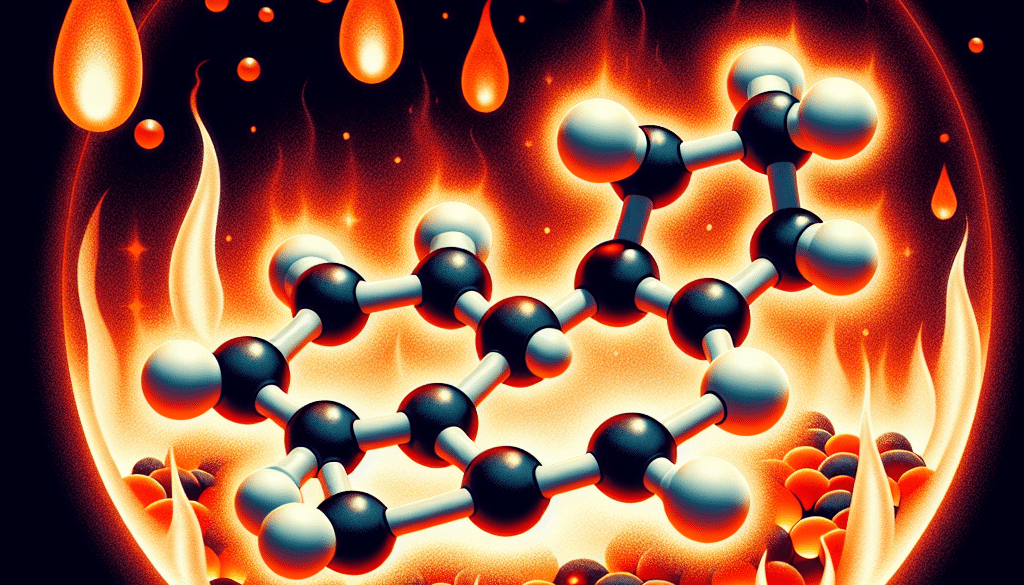
Does heat destroy ergothioneine?
-
Table of Contents
- Ergothioneine Stability: Does Heat Affect This Potent Antioxidant?
- Understanding Ergothioneine
- Heat Stability of Ergothioneine
- Factors Influencing Ergothioneine Stability
- Research Findings on Ergothioneine and Heat
- Implications for Dietary Intake
- Case Studies and Statistics
- Conclusion: Ergothioneine’s Resilience to Heat
- Discover ETchem’s Protein Products
Ergothioneine Stability: Does Heat Affect This Potent Antioxidant?
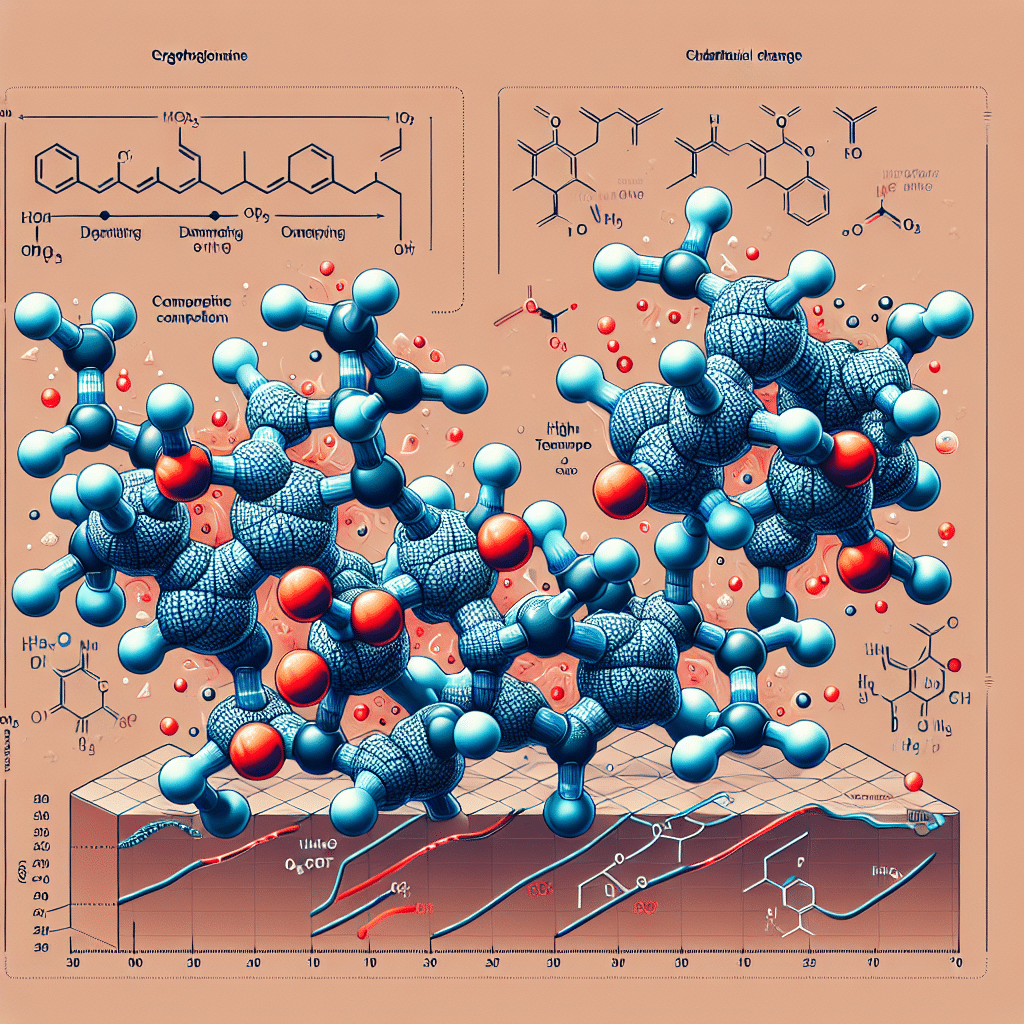
Ergothioneine, a naturally occurring amino acid and a potent antioxidant, has garnered significant attention in the realms of nutrition and health sciences. Found in various foods such as mushrooms, grains, and meat, ergothioneine is believed to play a crucial role in protecting cells from oxidative damage. However, a common question that arises is whether the cooking process, which involves heat, affects the stability and efficacy of ergothioneine. This article delves into the science behind ergothioneine’s heat stability, exploring the implications for dietary intake and food preparation.
Understanding Ergothioneine
Ergothioneine is a unique antioxidant with a specific transporter in the human body, indicating its biological importance. Unlike other antioxidants, ergothioneine has a sulfur-containing imidazole ring, which contributes to its stability and potent antioxidant properties. It is known to accumulate in tissues that are subject to high oxidative stress, such as the liver, kidney, and red blood cells.
Heat Stability of Ergothioneine
The stability of ergothioneine under heat is a critical factor that determines its availability in cooked foods. Research has shown that ergothioneine is relatively heat-stable compared to other antioxidants. However, the extent of its stability can vary depending on factors such as temperature, cooking time, and the presence of other compounds that may affect its degradation.
Factors Influencing Ergothioneine Stability
- Temperature: Higher temperatures may increase the rate of degradation, but ergothioneine has been shown to withstand typical cooking temperatures to a certain extent.
- Cooking Time: Prolonged exposure to heat could potentially reduce ergothioneine levels, but short cooking durations may preserve its content.
- Food Matrix: The presence of other compounds in food, such as acids or minerals, can either protect or accelerate the breakdown of ergothioneine.
Research Findings on Ergothioneine and Heat
Several studies have investigated the effects of cooking on ergothioneine levels in foods. For instance, research on mushrooms, a rich source of ergothioneine, has indicated that cooking methods like boiling, frying, and microwaving can lead to varying degrees of loss. However, the overall consensus is that ergothioneine retains a significant portion of its original content after typical cooking processes.
Implications for Dietary Intake
The relative heat stability of ergothioneine is good news for those concerned about maintaining a diet rich in antioxidants. It suggests that even after cooking, foods high in ergothioneine can still contribute to the body’s antioxidant defenses. To maximize ergothioneine intake from the diet, consider the following:
- Incorporate ergothioneine-rich foods into your diet, such as mushrooms, black beans, oat bran, and certain meats.
- Use cooking methods that preserve ergothioneine, such as steaming or quick sautéing, rather than prolonged boiling or frying.
- Be mindful of cooking times and try to minimize the duration of heat exposure for ergothioneine-rich foods.
Case Studies and Statistics
Case studies on ergothioneine have provided insights into its behavior under various cooking conditions. For example, a study on different mushroom species showed that ergothioneine levels decreased after cooking, but the reduction was not significant enough to negate the benefits of consuming cooked mushrooms. Statistics from these studies highlight that while there is some loss, the majority of ergothioneine remains intact.
Conclusion: Ergothioneine’s Resilience to Heat
In conclusion, while heat can potentially degrade ergothioneine, this antioxidant demonstrates a remarkable resilience to typical cooking temperatures and times. The evidence suggests that ergothioneine-rich foods can retain much of their beneficial properties even after being cooked. Therefore, incorporating these foods into a balanced diet can still provide the antioxidant support that ergothioneine offers.
Discover ETchem’s Protein Products
If you’re looking to enhance your diet with high-quality protein products, consider exploring ETchem’s offerings. Their range of collagen products, including marine, fish, bovine, and chicken collagen, provides a variety of options to meet your nutritional needs. ETchem’s commitment to quality ensures that you receive products with excellent solubility and neutral taste, suitable for various applications in the nutraceutical, pharmaceutical, and food and beverage industries.
About ETChem:
ETChem, a reputable Chinese Collagen factory manufacturer and supplier, is renowned for producing, stocking, exporting, and delivering the highest quality collagens. They include marine collagen, fish collagen, bovine collagen, chicken collagen, type I collagen, type II collagen and type III collagen etc. Their offerings, characterized by a neutral taste, instant solubility attributes, cater to a diverse range of industries. They serve nutraceutical, pharmaceutical, cosmeceutical, veterinary, as well as food and beverage finished product distributors, traders, and manufacturers across Europe, USA, Canada, Australia, Thailand, Japan, Korea, Brazil, and Chile, among others.
ETChem specialization includes exporting and delivering tailor-made collagen powder and finished collagen nutritional supplements. Their extensive product range covers sectors like Food and Beverage, Sports Nutrition, Weight Management, Dietary Supplements, Health and Wellness Products, ensuring comprehensive solutions to meet all your protein needs.
As a trusted company by leading global food and beverage brands and Fortune 500 companies, ETChem reinforces China’s reputation in the global arena. For more information or to sample their products, please contact them and email karen(at)et-chem.com today.


