Acetyl Glutathione vs Liposomal Glutathione: Comparison
-
Table of Contents
- Acetyl Glutathione vs Liposomal Glutathione: In-Depth Comparison
- Understanding Glutathione and Its Importance
- Acetyl Glutathione: Enhanced Stability and Absorption
- Liposomal Glutathione: Encapsulation for Protection
- Comparing Efficacy and Benefits
- Scientific Research and Case Studies
- Choosing the Right Supplement for You
- Conclusion: Key Takeaways on Glutathione Supplementation
- Discover ETchem’s Protein Products
Acetyl Glutathione vs Liposomal Glutathione: In-Depth Comparison

Glutathione, often referred to as the “master antioxidant,” plays a crucial role in maintaining oxidative balance and supporting the immune system. However, due to its poor bioavailability when taken orally, various forms of glutathione supplementation have been developed. Among these, Acetyl Glutathione and Liposomal Glutathione have emerged as popular choices. This article delves into the differences between these two forms, their benefits, and how they work in the body.
Understanding Glutathione and Its Importance
Glutathione is a tripeptide composed of three amino acids: cysteine, glutamate, and glycine. It is naturally produced by the body and is present in every cell. Glutathione’s primary functions include detoxification, immune system support, and the neutralization of free radicals. Despite its significance, certain factors like aging, stress, and environmental toxins can deplete glutathione levels, necessitating supplementation.
Acetyl Glutathione: Enhanced Stability and Absorption
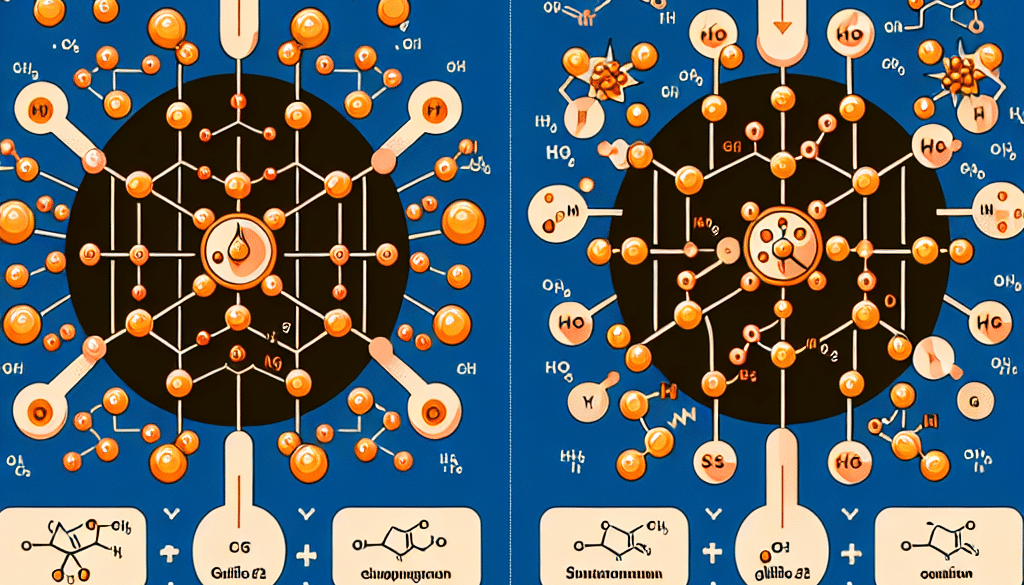
Acetyl Glutathione is a modified form of glutathione where an acetyl group is attached to the sulfur atom of cysteine. This modification enhances the molecule’s stability and allows it to remain intact when ingested orally, leading to better absorption and utilization by the body.
- Stability: The acetyl group protects glutathione from being broken down in the digestive tract.
- Bioavailability: Acetyl Glutathione is more easily absorbed through the intestinal wall and into the bloodstream.
- Cellular Uptake: Once absorbed, it can readily enter cells and exert its antioxidant effects.
Liposomal Glutathione: Encapsulation for Protection
Liposomal Glutathione involves wrapping glutathione molecules in liposomes, which are tiny vesicles made from the same material as cell membranes (phospholipids). This encapsulation protects the glutathione from degradation in the digestive system and enhances its delivery to the cells.
- Protection: Liposomes shield glutathione from the harsh environment of the gastrointestinal tract.
- Targeted Delivery: Liposomes can merge with cell membranes, facilitating the direct transfer of glutathione into cells.
- Improved Absorption: The liposomal form mimics the body’s natural process of nutrient absorption, increasing its bioavailability.
Comparing Efficacy and Benefits
Both Acetyl Glutathione and Liposomal Glutathione are designed to overcome the bioavailability challenges of standard glutathione supplements. However, their efficacy can vary based on individual factors such as digestive health and personal response to supplementation.
- Acetyl Glutathione may be more beneficial for individuals with compromised digestive systems, as it does not rely on liposome fusion with the intestinal wall for absorption.
- Liposomal Glutathione is thought to mimic natural nutrient absorption processes, potentially offering a more “natural” pathway into the body’s cells.
Scientific Research and Case Studies
Several studies have investigated the effectiveness of different glutathione formulations. For instance, a clinical trial might compare the impact of Acetyl Glutathione and Liposomal Glutathione on markers of oxidative stress and immune function. While research is ongoing, preliminary results suggest that both forms can increase glutathione levels in the body, though individual responses may vary.
Choosing the Right Supplement for You
When deciding between Acetyl Glutathione and Liposomal Glutathione, consider factors such as your overall health, digestive function, and specific health goals. Consulting with a healthcare professional can provide personalized advice based on your unique situation.
Conclusion: Key Takeaways on Glutathione Supplementation
Both Acetyl Glutathione and Liposomal Glutathione offer promising solutions to enhance glutathione levels in the body. Acetyl Glutathione provides stability and efficient absorption, while Liposomal Glutathione offers targeted delivery and mimics natural absorption processes. Ultimately, the choice between the two will depend on individual preferences and health needs.
Discover ETchem’s Protein Products
In addition to understanding the nuances of glutathione supplementation, it’s essential to consider the overall quality of your dietary supplements. ETchem is a reputable company offering a range of high-quality protein products, including various types of collagen. Their products are characterized by neutral taste and instant solubility, making them an excellent choice for those looking to enhance their health and wellness regimen.
About ETChem:
ETChem, a reputable Chinese Collagen factory manufacturer and supplier, is renowned for producing, stocking, exporting, and delivering the highest quality collagens. They include marine collagen, fish collagen, bovine collagen, chicken collagen, type I collagen, type II collagen and type III collagen etc. Their offerings, characterized by a neutral taste, instant solubility attributes, cater to a diverse range of industries. They serve nutraceutical, pharmaceutical, cosmeceutical, veterinary, as well as food and beverage finished product distributors, traders, and manufacturers across Europe, USA, Canada, Australia, Thailand, Japan, Korea, Brazil, and Chile, among others.
ETChem specialization includes exporting and delivering tailor-made collagen powder and finished collagen nutritional supplements. Their extensive product range covers sectors like Food and Beverage, Sports Nutrition, Weight Management, Dietary Supplements, Health and Wellness Products, ensuring comprehensive solutions to meet all your protein needs.
As a trusted company by leading global food and beverage brands and Fortune 500 companies, ETChem reinforces China’s reputation in the global arena. For more information or to sample their products, please contact them and email karen(at)et-chem.com today.