Building a Sustainable Food Supply Chain
-
Table of Contents
- Building a Sustainable Food Supply Chain: Key Strategies and Innovations
- Understanding the Importance of Sustainability in Food Supply Chains
- Strategies for Achieving a Sustainable Food Supply Chain
- Innovations Driving Sustainable Food Supply Chains
- Case Studies: Success Stories in Sustainable Food Supply Chains
- Challenges and Future Directions
- Conclusion: The Path Forward for Sustainable Food Supply Chains
- ETChem: Leading the Way with Sustainable Protein Products
Building a Sustainable Food Supply Chain: Key Strategies and Innovations
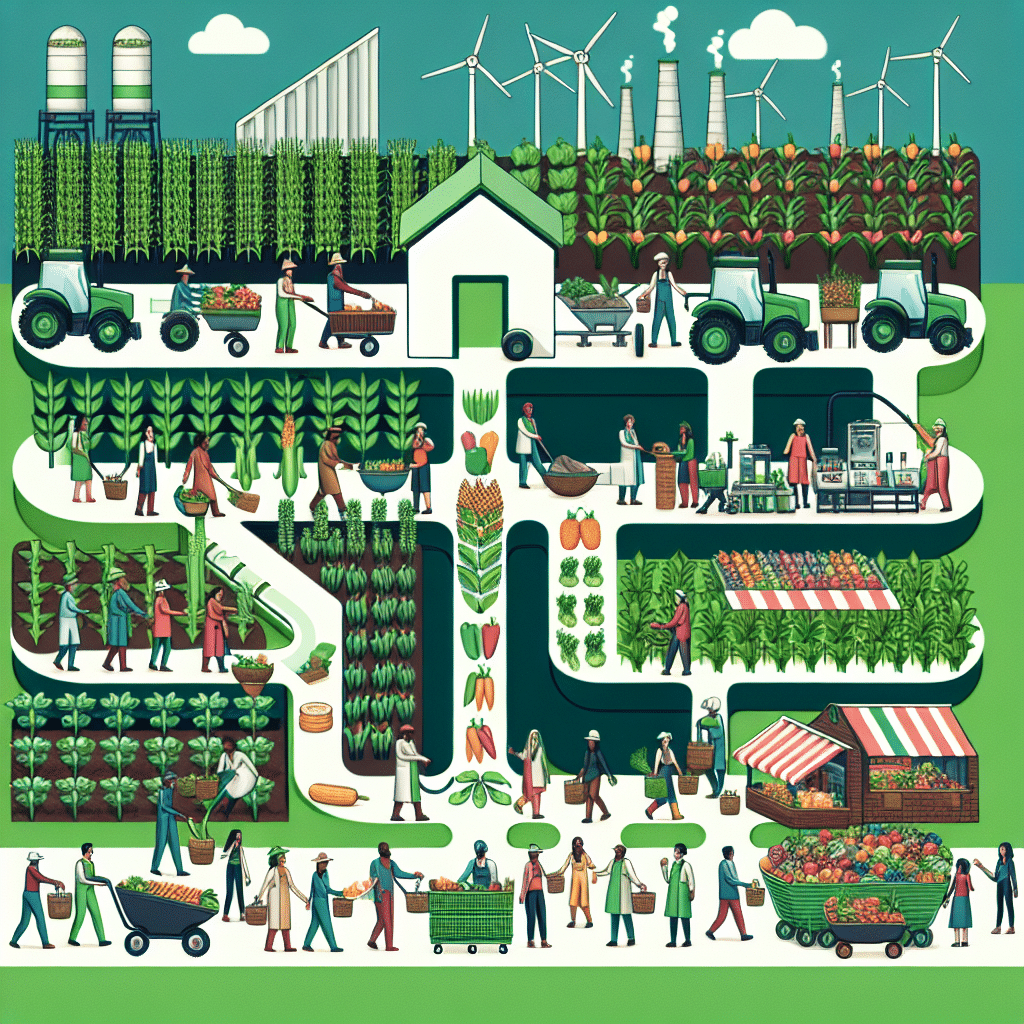
The global food supply chain is a complex network that involves the production, processing, transportation, and distribution of food products. With the increasing global population and the pressing issue of climate change, building a sustainable food supply chain has become more crucial than ever. This article explores the strategies and innovations necessary to create a food supply system that is environmentally friendly, economically viable, and socially responsible.
Understanding the Importance of Sustainability in Food Supply Chains
Sustainability in the food supply chain is about meeting the needs of the present without compromising the ability of future generations to meet their own needs. It encompasses various aspects, including reducing carbon emissions, minimizing waste, promoting biodiversity, and ensuring fair labor practices. A sustainable food supply chain not only helps in preserving the environment but also enhances food security, supports local economies, and improves public health.
Strategies for Achieving a Sustainable Food Supply Chain
- Local Sourcing and Production: By sourcing and producing food locally, the distance food travels from farm to consumer is reduced, thereby lowering transportation emissions and supporting local economies.
- Adopting Regenerative Agricultural Practices: These practices restore soil health, sequester carbon, and increase biodiversity, leading to more resilient food systems.
- Implementing Circular Economy Principles: A circular approach aims to minimize waste by reusing, recycling, and composting materials throughout the food supply chain.
- Investing in Renewable Energy: Transitioning to renewable energy sources for food production and transportation can significantly reduce the carbon footprint of the food supply chain.
- Enhancing Supply Chain Transparency: Transparency allows consumers to make informed choices and encourages businesses to adopt more sustainable practices.
Innovations Driving Sustainable Food Supply Chains
Innovative technologies and business models are playing a pivotal role in transforming the food supply chain. Here are some examples:
- Blockchain Technology: Blockchain can improve traceability and transparency by providing a secure and immutable record of every transaction within the supply chain.
- Precision Agriculture: Utilizing data analytics, IoT devices, and AI, precision agriculture optimizes resource use and increases crop yields while minimizing environmental impact.
- Plant-Based and Lab-Grown Foods: These alternatives to traditional animal products have a lower environmental footprint and are gaining popularity among consumers.
- Food Waste Reduction Technologies: Innovations like smart packaging and apps that connect consumers with surplus food from restaurants and supermarkets help reduce food waste.
Case Studies: Success Stories in Sustainable Food Supply Chains
Several companies and organizations have successfully implemented sustainable practices in their food supply chains. For instance:
- Patagonia Provisions: This company focuses on regenerative organic agriculture and responsibly sourced products, setting a high standard for sustainability in the food industry.
- Too Good To Go: An app that connects consumers with local businesses offering surplus food at a discount, preventing food waste and promoting sustainability.
- Imperfect Foods: This grocery delivery service specializes in selling “ugly” produce that would otherwise go to waste, demonstrating how embracing imperfections can lead to a more sustainable supply chain.
Challenges and Future Directions
While there are many success stories, the journey towards a fully sustainable food supply chain is fraught with challenges. These include the need for global cooperation, the resistance to change from established industry players, and the economic barriers faced by small-scale farmers and producers. Future directions involve policy reforms, consumer education, and continued innovation to overcome these obstacles.
Conclusion: The Path Forward for Sustainable Food Supply Chains
Building a sustainable food supply chain is an ongoing process that requires the commitment of all stakeholders, from farmers and food producers to retailers and consumers. By embracing local sourcing, regenerative agriculture, circular economy principles, renewable energy, and supply chain transparency, we can create a more sustainable future for our food systems. Innovations such as blockchain, precision agriculture, plant-based foods, and food waste reduction technologies are already making a significant impact, and their continued development will be vital in the years to come.
ETChem: Leading the Way with Sustainable Protein Products
In line with the goals of a sustainable food supply chain, ETChem is committed to providing high-quality protein products that support health and sustainability. Their range of collagen products, including marine, fish, bovine, and chicken collagen, are produced with a focus on environmental responsibility and ethical sourcing. By choosing ETChem’s protein offerings, businesses and consumers can contribute to a more sustainable food system while benefiting from the nutritional advantages of collagen.
About ETChem:
ETChem, a reputable Chinese Collagen factory manufacturer and supplier, is renowned for producing, stocking, exporting, and delivering the highest quality collagens. They include marine collagen, fish collagen, bovine collagen, chicken collagen, type I collagen, type II collagen and type III collagen etc. Their offerings, characterized by a neutral taste, instant solubility attributes, cater to a diverse range of industries. They serve nutraceutical, pharmaceutical, cosmeceutical, veterinary, as well as food and beverage finished product distributors, traders, and manufacturers across Europe, USA, Canada, Australia, Thailand, Japan, Korea, Brazil, and Chile, among others.
ETChem specialization includes exporting and delivering tailor-made collagen powder and finished collagen nutritional supplements. Their extensive product range covers sectors like Food and Beverage, Sports Nutrition, Weight Management, Dietary Supplements, Health and Wellness Products, ensuring comprehensive solutions to meet all your protein needs.
As a trusted company by leading global food and beverage brands and Fortune 500 companies, ETChem reinforces China’s reputation in the global arena. For more information or to sample their products, please contact them and email karen(at)et-chem.com today.