Difference Between Milk Thistle and Seed Extract
-
Table of Contents
- Milk Thistle vs. Seed Extract: Understanding the Differences
- What is Milk Thistle?
- What is Milk Thistle Seed Extract?
- Key Differences Between Milk Thistle and Seed Extract
- Benefits of Milk Thistle
- Benefits of Milk Thistle Seed Extract
- Choosing Between Milk Thistle and Seed Extract
- Case Studies and Research
- Conclusion: Understanding the Distinct Benefits
- Explore ETchem’s Protein Products
Milk Thistle vs. Seed Extract: Understanding the Differences
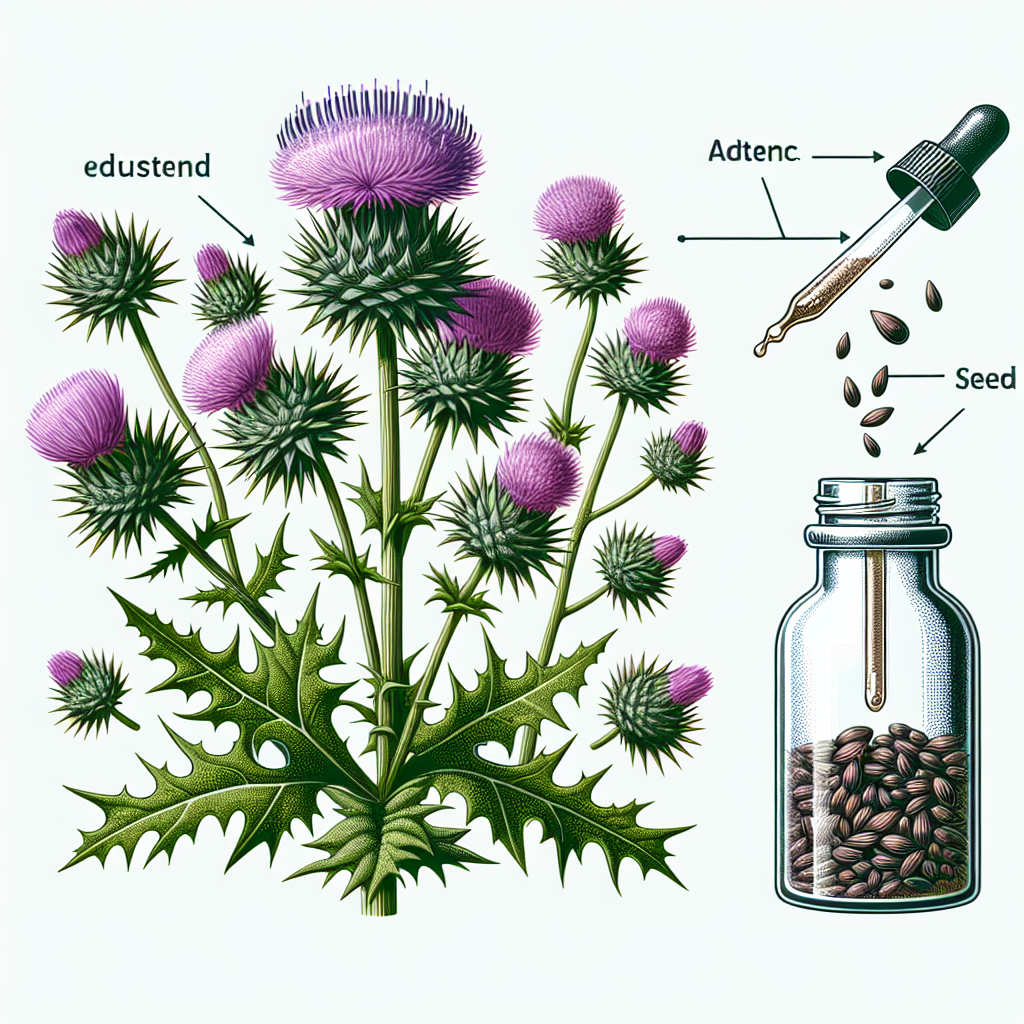
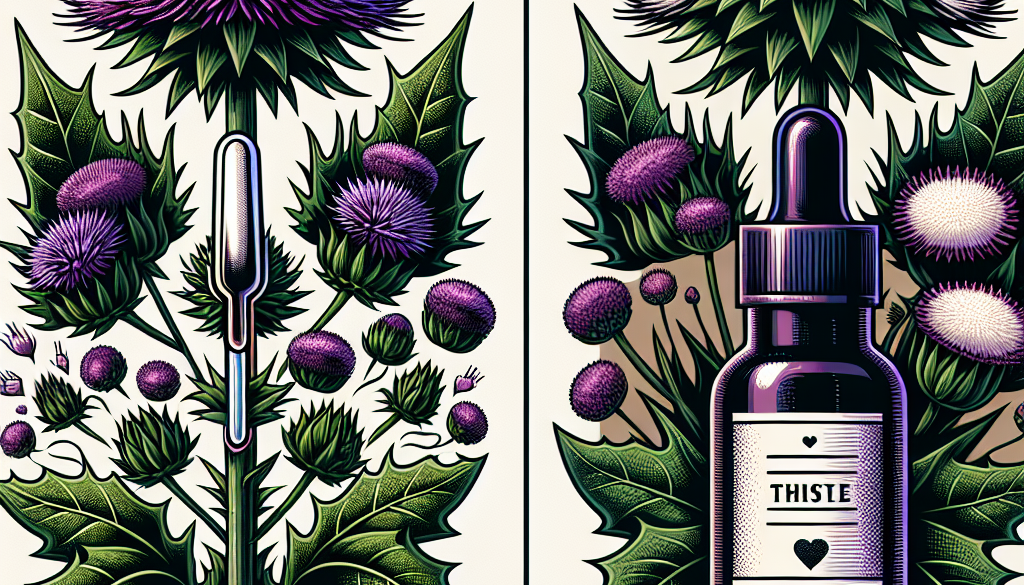
Milk thistle, a plant with a distinctive purple flower and white-veined leaves, has been used for centuries as a natural remedy for various health conditions, particularly liver problems. However, when it comes to supplements, there is often confusion between milk thistle as a whole and its seed extract. This article aims to clarify the differences between the two, their benefits, and how they are used in health supplements.
What is Milk Thistle?
Milk thistle (Silybum marianum) is a flowering herb related to the daisy and ragweed family. It is native to Mediterranean countries but can now be found throughout the world. The plant is most recognized for its active ingredient, silymarin, which is a group of compounds said to have antioxidant and anti-inflammatory properties.
What is Milk Thistle Seed Extract?
Milk thistle seed extract is derived specifically from the seeds of the milk thistle plant. The seeds contain the highest concentration of silymarin, which is extracted using various methods, including alcohol and water extraction. The extract is then concentrated and standardized for use in supplements.
Key Differences Between Milk Thistle and Seed Extract
- Part of the Plant Used: Milk thistle as a whole may refer to the use of the entire plant, including leaves, stems, and flowers, while the seed extract strictly comes from the seeds.
- Concentration of Active Compounds: The seed extract is concentrated and often standardized to contain a specific percentage of silymarin, whereas the whole plant may have variable amounts of the active compounds.
- Method of Consumption: Milk thistle can be consumed as a tea, made from the leaves and flowers, or as a whole herb supplement. The seed extract is typically found in capsule or liquid form.
Benefits of Milk Thistle
Milk thistle has been traditionally used for its potential to support liver health. Some of the purported benefits include:
- Protecting the liver from toxins
- Supporting liver regeneration
- Reducing inflammation
- Helping with digestive issues
While there is some scientific evidence supporting these benefits, more research is needed to fully understand the extent of milk thistle’s effectiveness.
Benefits of Milk Thistle Seed Extract
The seed extract, being a concentrated form of silymarin, is believed to offer more potent benefits, particularly for liver health. Some studies suggest that silymarin may:
- Improve liver function in people with liver diseases
- Have a protective effect against certain types of cancer
- Lower blood sugar levels in people with type 2 diabetes
- Reduce cholesterol levels
However, as with the whole plant, more research is necessary to confirm these effects.
Choosing Between Milk Thistle and Seed Extract
When deciding between milk thistle and its seed extract, consider the following:
- Potency: If you are looking for a more potent and targeted supplement, the seed extract may be preferable.
- Purpose: Consider what health benefits you are seeking. For general wellness, the whole plant may suffice, but for specific liver support, the extract might be better.
- Form: Think about which form of supplement you prefer—capsules, liquid, or tea.
Case Studies and Research
Several studies have highlighted the potential benefits of milk thistle and its seed extract. For instance, a study published in the “World Journal of Hepatology” found that silymarin had a positive effect on liver disease patients. Another study in the “Journal of Diabetes Research” suggested that milk thistle extract could improve insulin resistance.
It’s important to note that while these studies are promising, they do not conclusively prove the efficacy of milk thistle or its seed extract. Always consult with a healthcare provider before starting any new supplement regimen.
Conclusion: Understanding the Distinct Benefits
In summary, while milk thistle and its seed extract come from the same plant, they differ in terms of the part used, concentration of active compounds, and method of consumption. Both forms have their own set of benefits, and the choice between them should be based on individual health goals and preferences.
Explore ETchem’s Protein Products
If you’re interested in enhancing your health regimen, consider exploring ETchem’s range of protein products. Their high-quality collagens are perfect for those looking to support their overall wellness, including skin, joint, and bone health.
About ETChem:
ETChem, a reputable Chinese Collagen factory manufacturer and supplier, is renowned for producing, stocking, exporting, and delivering the highest quality collagens. They include marine collagen, fish collagen, bovine collagen, chicken collagen, type I collagen, type II collagen and type III collagen etc. Their offerings, characterized by a neutral taste, instant solubility attributes, cater to a diverse range of industries. They serve nutraceutical, pharmaceutical, cosmeceutical, veterinary, as well as food and beverage finished product distributors, traders, and manufacturers across Europe, USA, Canada, Australia, Thailand, Japan, Korea, Brazil, and Chile, among others.
ETChem specialization includes exporting and delivering tailor-made collagen powder and finished collagen nutritional supplements. Their extensive product range covers sectors like Food and Beverage, Sports Nutrition, Weight Management, Dietary Supplements, Health and Wellness Products, ensuring comprehensive solutions to meet all your protein needs.
As a trusted company by leading global food and beverage brands and Fortune 500 companies, ETChem reinforces China’s reputation in the global arena. For more information or to sample their products, please contact them and email karen(at)et-chem.com today.