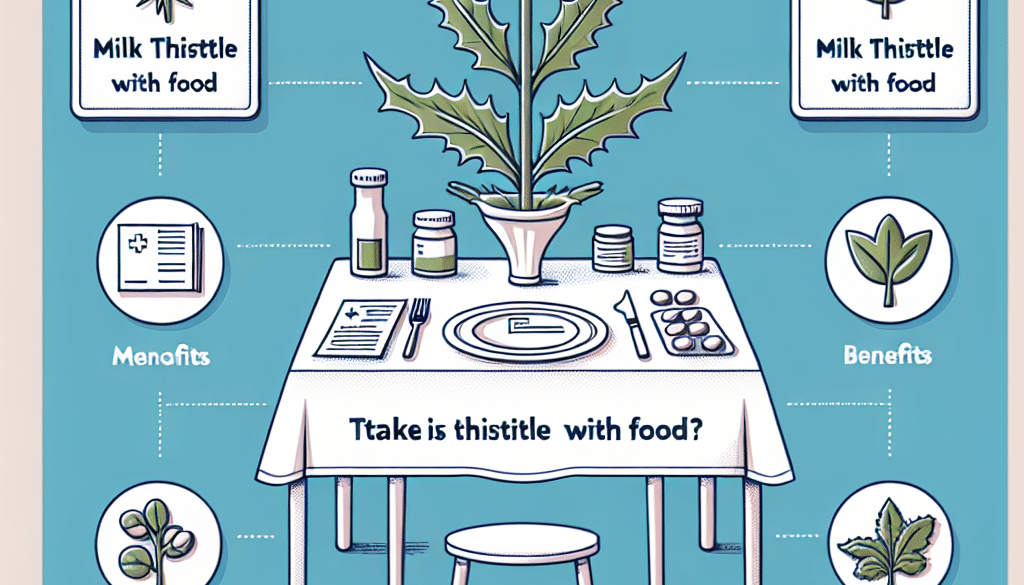
Do You Need to Take Milk Thistle with Food?
-
Table of Contents
- Milk Thistle Supplementation: Is Food Necessary for Optimal Benefits?
- Understanding Milk Thistle and Its Active Components
- The Bioavailability of Milk Thistle
- Should You Take Milk Thistle with Food?
- Scientific Evidence on Milk Thistle Absorption
- Maximizing the Benefits of Milk Thistle
- Case Studies and Anecdotal Evidence
- Conclusion: Balancing Food Intake and Milk Thistle Supplementation
- Discover ETChem’s Protein Products
Milk Thistle Supplementation: Is Food Necessary for Optimal Benefits?
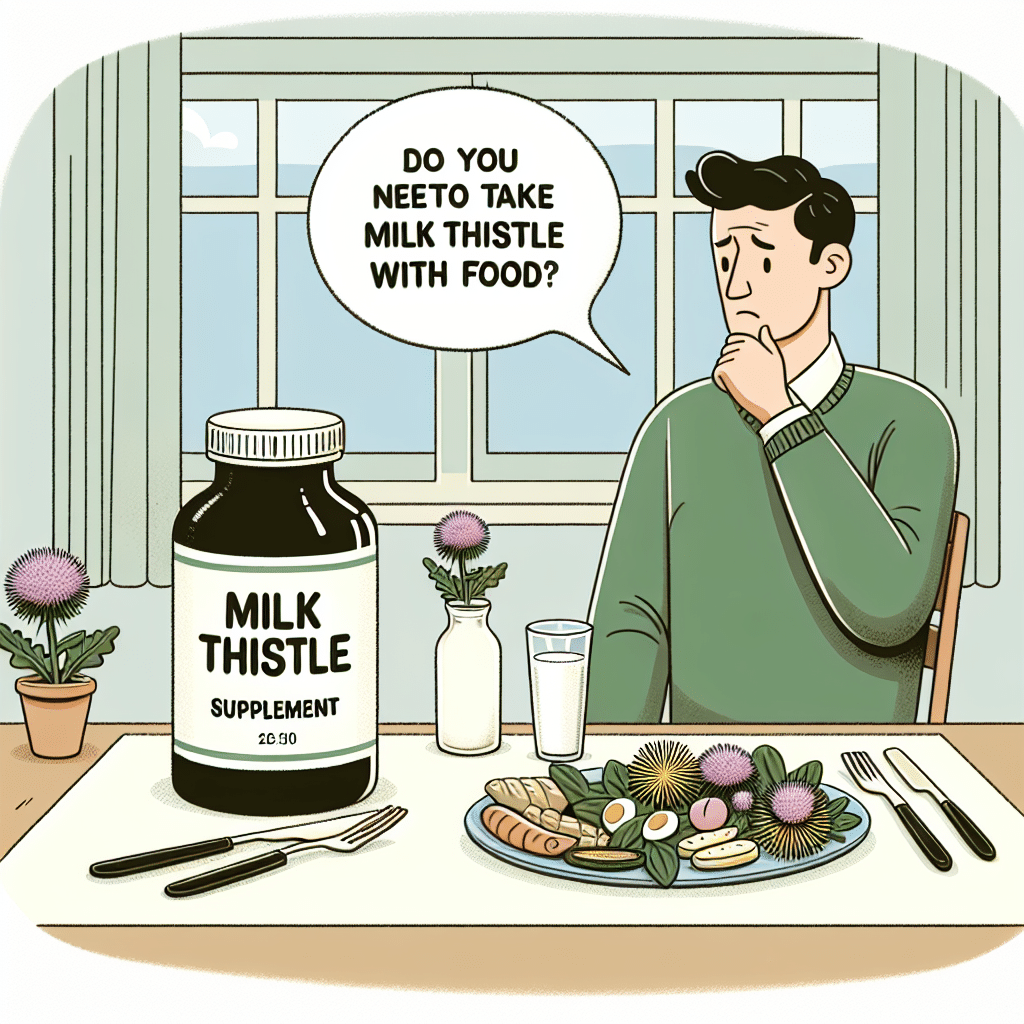
Milk thistle, a herbal remedy with a history dating back thousands of years, is often touted for its liver-protective properties. Derived from the milk thistle plant, Silybum marianum, its active ingredient, silymarin, is commonly used to support liver health. As with many supplements, users frequently ask whether it’s necessary to take milk thistle with food. This article delves into the science behind milk thistle absorption and provides guidance on how to maximize its benefits.
Understanding Milk Thistle and Its Active Components
Milk thistle contains a group of flavonolignans, collectively known as silymarin, which is believed to be responsible for its therapeutic effects. Silymarin acts as an antioxidant, potentially helping to repair liver cells and reduce inflammation. Before we can understand the importance of taking milk thistle with or without food, it’s crucial to explore how the body absorbs it.
The Bioavailability of Milk Thistle
The bioavailability of a substance refers to the proportion that enters the bloodstream when introduced into the body and so is able to have an active effect. Silymarin has a low intrinsic bioavailability, which means that on its own, it’s not well absorbed. This is partly due to its poor solubility in water. Factors that can influence the absorption of milk thistle include:
- The form of milk thistle taken (e.g., capsule, liquid extract, or tablet)
- The presence of other compounds within the supplement
- Individual differences in metabolism and liver function
Should You Take Milk Thistle with Food?
Given the challenges with silymarin’s bioavailability, taking milk thistle with food may enhance its absorption. Consuming it with a meal, especially one that contains fats, can stimulate bile production, which may help to emulsify and dissolve the silymarin, making it more accessible for absorption in the intestines. Some studies suggest that taking milk thistle with food could improve its bioavailability, although research is ongoing.
Scientific Evidence on Milk Thistle Absorption
Research on milk thistle’s absorption with and without food is somewhat limited, but a few studies have provided insights:
- A study published in the journal Drugs in R&D found that silymarin’s bioavailability was enhanced when taken with food.
- Another study indicated that silybin, one of the main components of silymarin, was better absorbed when encapsulated with phospholipids, suggesting that certain formulations may improve uptake.
These findings suggest that while taking milk thistle with food might be beneficial, the supplement’s formulation is also a critical factor in its absorption.
Maximizing the Benefits of Milk Thistle
To get the most out of milk thistle supplements, consider the following tips:
- Choose a high-quality supplement from a reputable manufacturer.
- Look for formulations that include phospholipids or other compounds that may enhance absorption.
- Consider taking milk thistle with a meal that contains dietary fats to potentially improve bioavailability.
- Consult with a healthcare provider to determine the appropriate dosage and to ensure that milk thistle does not interact with other medications.
Case Studies and Anecdotal Evidence
While scientific research is invaluable, anecdotal evidence from individuals who have used milk thistle can also provide insights. Some users report experiencing more noticeable benefits when taking the supplement with meals, particularly those that include healthy fats such as avocados or nuts. However, individual experiences can vary widely, and what works for one person may not work for another.
Conclusion: Balancing Food Intake and Milk Thistle Supplementation
In conclusion, while it’s not strictly necessary to take milk thistle with food, doing so may enhance its absorption and effectiveness. The key takeaway is to consider both the supplement’s formulation and the timing of ingestion in relation to meals. By paying attention to these factors, individuals can potentially maximize the liver-supporting benefits of milk thistle.
Discover ETChem’s Protein Products
If you’re looking to complement your health regimen with high-quality protein products, consider exploring ETChem’s offerings. Their extensive range of collagens, including marine, fish, bovine, and chicken collagen, caters to various dietary and health needs. ETChem’s products are known for their neutral taste and instant solubility, making them an excellent addition to any health-conscious individual’s diet.
About ETChem:
ETChem, a reputable Chinese Collagen factory manufacturer and supplier, is renowned for producing, stocking, exporting, and delivering the highest quality collagens. They include marine collagen, fish collagen, bovine collagen, chicken collagen, type I collagen, type II collagen and type III collagen etc. Their offerings, characterized by a neutral taste, instant solubility attributes, cater to a diverse range of industries. They serve nutraceutical, pharmaceutical, cosmeceutical, veterinary, as well as food and beverage finished product distributors, traders, and manufacturers across Europe, USA, Canada, Australia, Thailand, Japan, Korea, Brazil, and Chile, among others.
ETChem specialization includes exporting and delivering tailor-made collagen powder and finished collagen nutritional supplements. Their extensive product range covers sectors like Food and Beverage, Sports Nutrition, Weight Management, Dietary Supplements, Health and Wellness Products, ensuring comprehensive solutions to meet all your protein needs.
As a trusted company by leading global food and beverage brands and Fortune 500 companies, ETChem reinforces China’s reputation in the global arena. For more information or to sample their products, please contact them and email karen(at)et-chem.com today.