Food’s Role as an Immunomodulator
-
Table of Contents
- Food’s Role as an Immunomodulator: Nourishing the Body’s Defense
- Understanding Immunomodulation Through Diet
- The Impact of Nutrients on Immune Function
- Probiotics and Gut Health: A Central Axis for Immunity
- Phytochemicals: Plant-Based Immune Boosters
- Anti-Inflammatory Foods and Their Role in Immunity
- Case Studies and Research Findings
- Statistics: The Proof Is in the Numbers
- Conclusion: Diet as a Pillar of Immune Health
- Enhance Your Immune Health with ETChem’s Protein Products
Food’s Role as an Immunomodulator: Nourishing the Body’s Defense
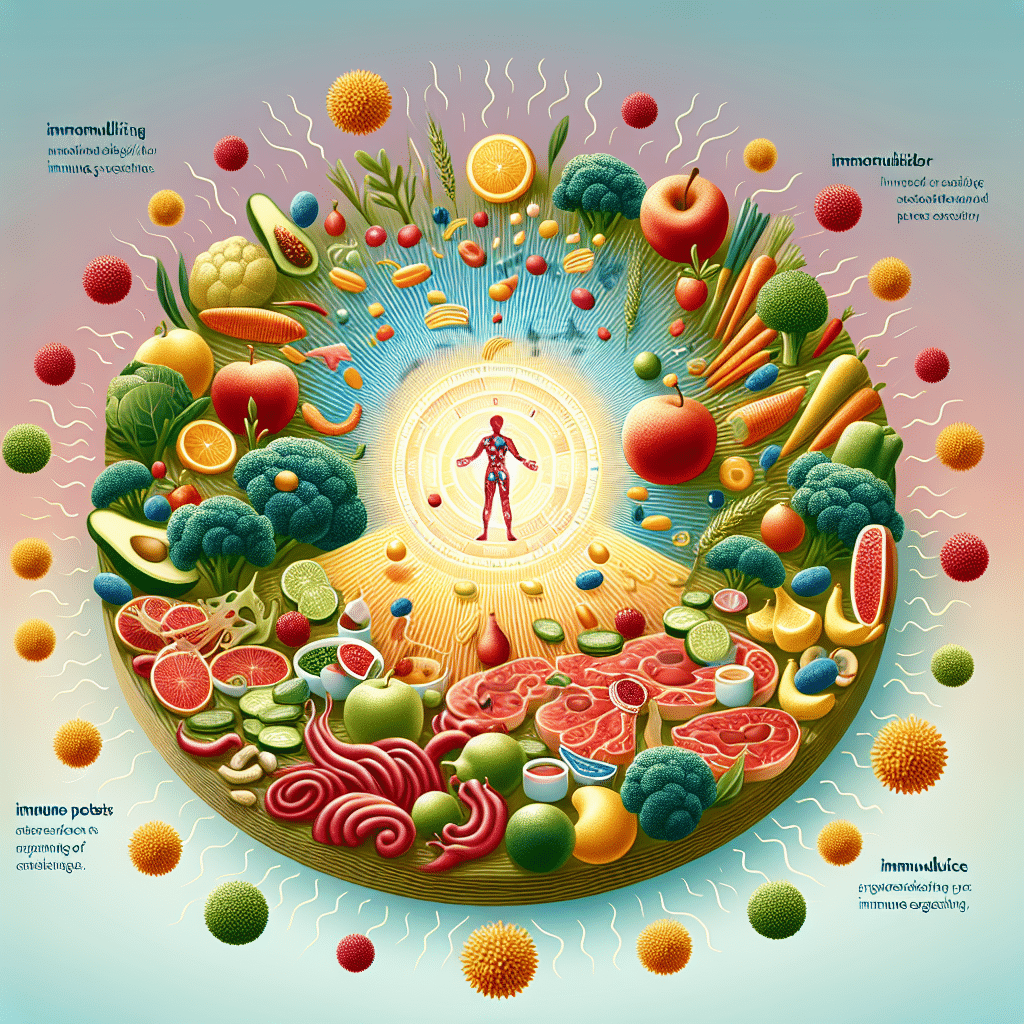
The immune system is a complex network of cells, tissues, and organs that work in concert to defend the body against pathogens, including viruses, bacteria, and foreign bodies. The role of food in modulating the immune system is a growing area of interest within the scientific community. This article explores how certain foods and dietary patterns can influence immune function, potentially enhancing the body’s ability to fight off disease.
Understanding Immunomodulation Through Diet
Immunomodulation refers to the alteration of the immune response, which can be achieved through various means, including pharmaceuticals, immunotherapy, and notably, diet. The concept of food as medicine is not new; however, the scientific exploration of how specific nutrients and foods can modulate immune responses is a burgeoning field of research.
The Impact of Nutrients on Immune Function
Nutrients play a pivotal role in the development and function of immune cells. A deficiency or excess of certain nutrients can lead to an impaired immune response. Here are some key nutrients that have been shown to influence immune function:
- Vitamin C: This antioxidant is essential for the growth and repair of tissues in all parts of the body, including those that are part of the immune system.
- Vitamin D: Known for its role in bone health, vitamin D also modulates immune responses, with deficiencies linked to increased susceptibility to infection.
- Zinc: This mineral is crucial for the normal development and function of cells mediating innate immunity.
- Selenium: Selenium has antioxidant properties that help lower oxidative stress in your body, which reduces inflammation and enhances immunity.
- Omega-3 Fatty Acids: Found in fish oil and flaxseeds, omega-3s have anti-inflammatory properties that may help regulate the immune system.
Probiotics and Gut Health: A Central Axis for Immunity
The gut microbiota has a profound impact on the immune system. Probiotics, which are live microorganisms found in yogurt and other fermented foods, can provide health benefits by improving or restoring the gut flora. This, in turn, influences the gut-associated lymphoid tissue (GALT), a key component of the immune system.
Phytochemicals: Plant-Based Immune Boosters
Phytochemicals are bioactive compounds found in plants that have been associated with positive health outcomes. These compounds, such as flavonoids, carotenoids, and polyphenols, have antioxidant and anti-inflammatory properties that can modulate the immune response.
Anti-Inflammatory Foods and Their Role in Immunity
Chronic inflammation is linked to numerous diseases, including heart disease, diabetes, and cancer. Anti-inflammatory foods, such as turmeric, ginger, and green leafy vegetables, can help reduce inflammation and support immune function.
Case Studies and Research Findings
Several studies have demonstrated the immunomodulatory effects of food. For example, research has shown that the Mediterranean diet, rich in fruits, vegetables, nuts, whole grains, and olive oil, is associated with a lower risk of chronic diseases and may enhance immune function due to its high content of anti-inflammatory and antioxidant components.
Statistics: The Proof Is in the Numbers
Statistical analysis from various studies supports the role of diet in immune health. For instance, a study published in the “British Journal of Nutrition” found that participants who consumed more fruits and vegetables had higher levels of immune markers in their blood.
Conclusion: Diet as a Pillar of Immune Health
In conclusion, the role of food as an immunomodulator is supported by a growing body of evidence. A balanced diet rich in essential nutrients, probiotics, and phytochemicals can support and modulate the immune system, potentially reducing the risk of disease and enhancing overall health. As research continues to evolve, the integration of dietary strategies into public health recommendations for immune support is likely to become increasingly important.
Enhance Your Immune Health with ETChem’s Protein Products
ETChem’s protein products, including their high-quality collagen offerings, can be a valuable addition to a diet aimed at supporting immune health. Collagen, which is rich in amino acids, may contribute to the integrity of the gut lining, thereby influencing the immune system. Incorporating ETChem’s protein products into your diet could be a beneficial step towards optimizing your immune response.
About ETChem:
ETChem, a reputable Chinese Collagen factory manufacturer and supplier, is renowned for producing, stocking, exporting, and delivering the highest quality collagens. They include marine collagen, fish collagen, bovine collagen, chicken collagen, type I collagen, type II collagen and type III collagen etc. Their offerings, characterized by a neutral taste, instant solubility attributes, cater to a diverse range of industries. They serve nutraceutical, pharmaceutical, cosmeceutical, veterinary, as well as food and beverage finished product distributors, traders, and manufacturers across Europe, USA, Canada, Australia, Thailand, Japan, Korea, Brazil, and Chile, among others.
ETChem specialization includes exporting and delivering tailor-made collagen powder and finished collagen nutritional supplements. Their extensive product range covers sectors like Food and Beverage, Sports Nutrition, Weight Management, Dietary Supplements, Health and Wellness Products, ensuring comprehensive solutions to meet all your protein needs.
As a trusted company by leading global food and beverage brands and Fortune 500 companies, ETChem reinforces China’s reputation in the global arena. For more information or to sample their products, please contact them and email karen(at)et-chem.com today.