How to Make Concentrated Milk Thistle Extract?
-
Table of Contents
- Concentrated Milk Thistle Extract: A Step-by-Step Guide
- Understanding Milk Thistle and Its Benefits
- Harvesting Milk Thistle for Extraction
- Preparing Milk Thistle Seeds for Extraction
- Choosing the Right Solvent for Extraction
- The Extraction Process
- Testing and Storing Your Concentrated Milk Thistle Extract
- Conclusion: The Power of Homemade Concentrated Milk Thistle Extract
- Discover ETchem’s Premium Protein Products
Concentrated Milk Thistle Extract: A Step-by-Step Guide
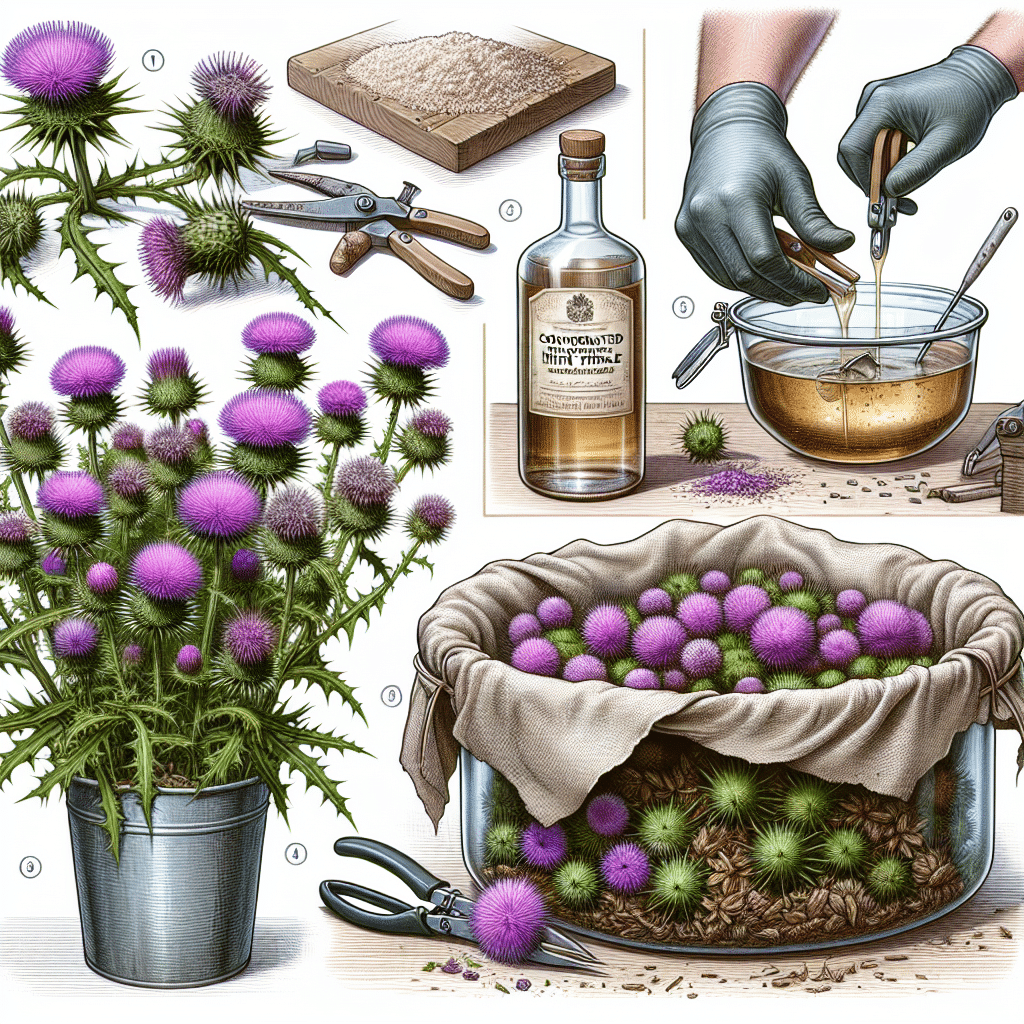
Milk thistle, scientifically known as Silybum marianum, has been used for centuries as a natural remedy for various health conditions, particularly liver problems. The active compound in milk thistle, silymarin, is credited with its beneficial properties. Concentrated milk thistle extract offers a potent dose of silymarin, making it a popular supplement for those looking to support their liver health. In this article, we will explore how to make concentrated milk thistle extract, ensuring you can harness the full potential of this powerful plant.
Understanding Milk Thistle and Its Benefits
Milk thistle is a flowering herb related to the daisy and ragweed family. It is native to Mediterranean countries but can now be found worldwide. The seeds contain the highest concentration of silymarin, which is a complex mixture of flavonolignans. The benefits of milk thistle are primarily linked to its antioxidant and anti-inflammatory properties, which help protect the liver from toxins and promote liver cell regeneration.
Harvesting Milk Thistle for Extraction
The first step in making a concentrated extract is to source high-quality milk thistle. The best time to harvest milk thistle is when the seeds are ripe, which typically occurs between late summer and early fall. To ensure the highest silymarin content, follow these guidelines:
- Choose plants that are free from pesticides and pollutants.
- Harvest on a dry day after the morning dew has evaporated.
- Cut the flower heads and allow them to dry in a warm, well-ventilated area.
- Once dried, shake the heads to release the seeds.
- Store the seeds in a cool, dark place until ready to use.
Preparing Milk Thistle Seeds for Extraction
Before extraction, it’s essential to prepare the milk thistle seeds properly. This involves cleaning and grinding the seeds to increase the surface area, which enhances the extraction process. Use a coffee grinder or a mortar and pestle to grind the seeds into a fine powder.
Choosing the Right Solvent for Extraction
The solvent you choose for extraction plays a crucial role in the quality and potency of your milk thistle extract. Ethanol is commonly used due to its effectiveness in extracting silymarin. However, for those looking for a non-alcoholic alternative, vegetable glycerin can be used, though it may result in a less concentrated extract.
The Extraction Process
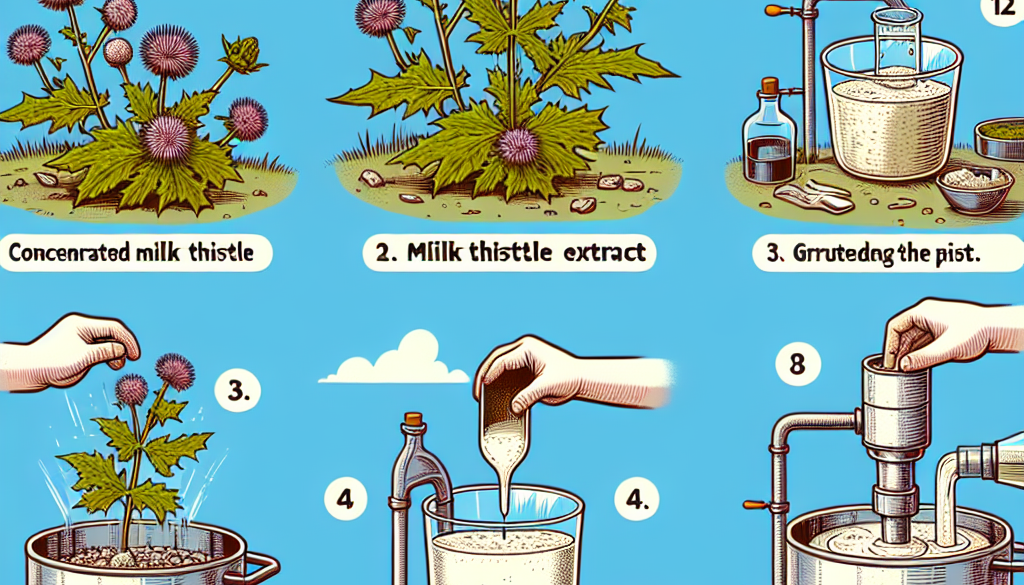
With your ground milk thistle seeds and chosen solvent ready, you can begin the extraction process. Here’s a step-by-step guide:
- Mix the ground seeds with the solvent in a ratio that ensures the seeds are fully submerged. A common ratio is 1 part seeds to 3 parts solvent.
- Seal the mixture in a glass jar and store it in a dark, cool place.
- Shake the jar daily to agitate the mixture and promote extraction.
- Allow the mixture to macerate for at least two weeks for optimal extraction.
- After the maceration period, strain the mixture through a fine mesh or cheesecloth to separate the liquid extract from the solid residue.
- Press or squeeze the residue to extract as much liquid as possible.
- For a more concentrated extract, you can further reduce the liquid by gently heating it in a water bath to evaporate some of the solvent.
Testing and Storing Your Concentrated Milk Thistle Extract
Once you have your concentrated milk thistle extract, it’s important to test its potency. This can be done using high-performance liquid chromatography (HPLC), though this equipment is typically only available in professional laboratories. For home preparations, consistency in the extraction process is key to ensuring potency.
Store your concentrated extract in amber glass bottles to protect it from light, which can degrade silymarin. Keep the bottles in a cool, dark place, and your extract should remain potent for up to three years.
Conclusion: The Power of Homemade Concentrated Milk Thistle Extract
Making your own concentrated milk thistle extract can be a rewarding process, providing you with a potent supplement that supports liver health. By following the steps outlined in this guide, you can ensure a high-quality extract that harnesses the full potential of this remarkable herb.
Discover ETchem’s Premium Protein Products
If you’re interested in high-quality protein products, consider exploring ETchem’s offerings. Their extensive range of collagens, including marine, fish, bovine, chicken, and various types, are perfect for various applications in the nutraceutical, pharmaceutical, cosmeceutical, and food and beverage industries. With a commitment to quality and customer satisfaction, ETchem is your go-to source for all your protein needs.
About ETChem:
ETChem, a reputable Chinese Collagen factory manufacturer and supplier, is renowned for producing, stocking, exporting, and delivering the highest quality collagens. They include marine collagen, fish collagen, bovine collagen, chicken collagen, type I collagen, type II collagen and type III collagen etc. Their offerings, characterized by a neutral taste, instant solubility attributes, cater to a diverse range of industries. They serve nutraceutical, pharmaceutical, cosmeceutical, veterinary, as well as food and beverage finished product distributors, traders, and manufacturers across Europe, USA, Canada, Australia, Thailand, Japan, Korea, Brazil, and Chile, among others.
ETChem specialization includes exporting and delivering tailor-made collagen powder and finished collagen nutritional supplements. Their extensive product range covers sectors like Food and Beverage, Sports Nutrition, Weight Management, Dietary Supplements, Health and Wellness Products, ensuring comprehensive solutions to meet all your protein needs.
As a trusted company by leading global food and beverage brands and Fortune 500 companies, ETChem reinforces China’s reputation in the global arena. For more information or to sample their products, please contact them and email karen(at)et-chem.com today.