Silymarin Dog Dosage: How Much to Give
-
Table of Contents
- Silymarin for Dogs: Optimal Dosage Guidelines
- Understanding Silymarin and Its Benefits for Dogs
- Factors Influencing Silymarin Dosage in Dogs
- Recommended Silymarin Dosage for Dogs
- Administering Silymarin to Your Dog
- Case Studies and Research on Silymarin Use in Dogs
- Monitoring and Adjusting Silymarin Dosage
- Conclusion: Silymarin Dosage for Optimal Canine Liver Health
- Discover ETChem’s Protein Products for Your Dog’s Health
Silymarin for Dogs: Optimal Dosage Guidelines
Silymarin, a natural compound extracted from the seeds of the milk thistle plant, has been widely recognized for its liver-protective and antioxidant properties. In veterinary medicine, it’s increasingly used to support liver health in dogs. Determining the correct dosage of silymarin for your canine companion is crucial for ensuring its efficacy and safety. This article delves into the appropriate silymarin dosages for dogs, backed by research and veterinary practices.
Understanding Silymarin and Its Benefits for Dogs
Silymarin is a flavonolignan complex that consists of several components, including silybin, silydianin, and silychristin, with silybin being the most active. It’s primarily used to treat liver diseases due to its hepatoprotective properties. In dogs, silymarin can help with:
- Protecting the liver from toxins and drugs
- Stimulating liver cell regeneration
- Stabilizing liver cell membranes
- Exerting anti-inflammatory and antioxidant effects
These benefits make silymarin a valuable supplement for dogs suffering from conditions like chronic hepatitis, cirrhosis, and fatty liver disease.
Factors Influencing Silymarin Dosage in Dogs
The appropriate dosage of silymarin for dogs can vary based on several factors, including:
- The dog’s weight and size
- The severity of the liver condition
- The presence of other medical issues
- The specific formulation of the silymarin supplement
It’s essential to consult with a veterinarian before starting any new supplement regimen, as they can provide a dosage tailored to your dog’s specific needs.
Recommended Silymarin Dosage for Dogs
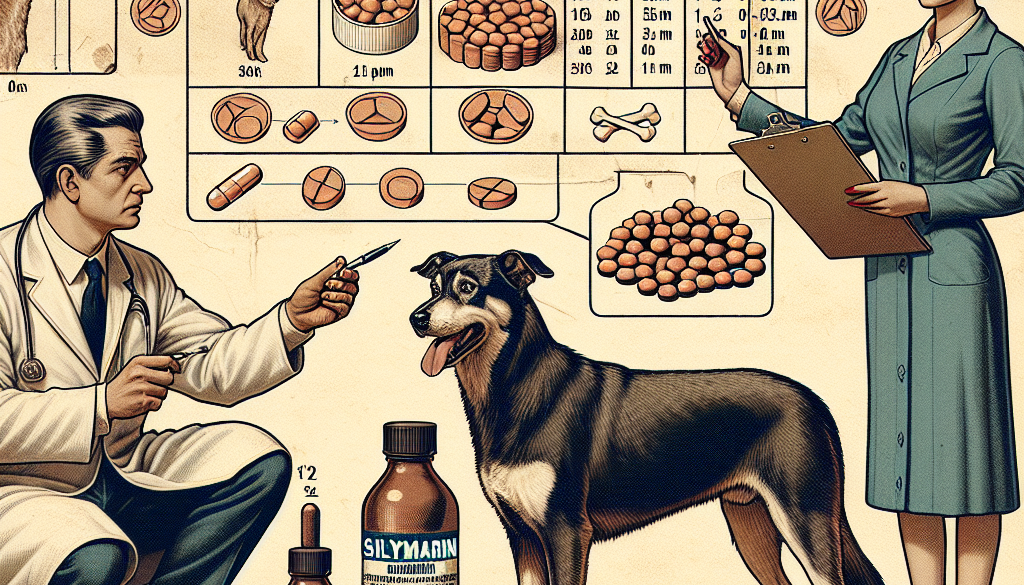
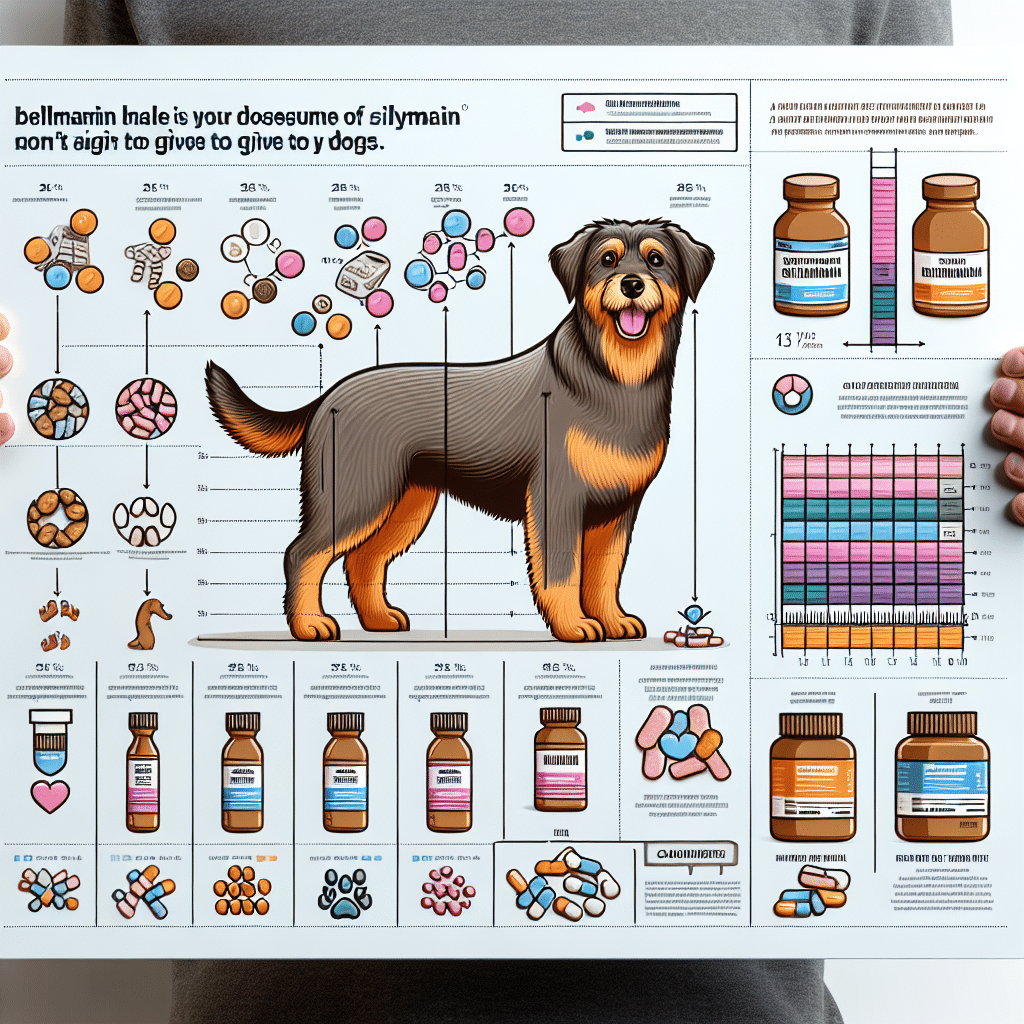
While there is no one-size-fits-all dosage, studies and veterinary experience suggest a general guideline for silymarin administration in dogs. The standard recommended dosage ranges from 50 to 200 mg of silymarin per 10 pounds of body weight per day. This dosage can be divided into two or three smaller doses throughout the day for optimal absorption and efficacy.
For example, a 20-pound dog might receive between 100 to 400 mg of silymarin daily, depending on the condition being treated and the individual response to the supplement.
Administering Silymarin to Your Dog
Silymarin supplements for dogs come in various forms, including capsules, tablets, and liquids. Some tips for administering silymarin to your dog include:
- Consulting with your vet to determine the best form and dosage
- Following the manufacturer’s instructions on the supplement label
- Mixing the supplement with food to improve palatability
- Monitoring your dog for any adverse reactions
It’s important to note that while silymarin is generally well-tolerated, some dogs may experience mild gastrointestinal upset. If you notice any adverse effects, contact your veterinarian immediately.
Case Studies and Research on Silymarin Use in Dogs
Several studies have highlighted the benefits of silymarin in treating liver diseases in dogs. For instance, a study published in the Journal of Veterinary Internal Medicine found that dogs with liver disease who were treated with silymarin showed significant improvements in liver enzyme levels and overall liver function.
Another case study involving a dog with acute liver failure due to xylitol ingestion reported that the administration of silymarin contributed to the dog’s recovery, alongside supportive care and other treatments.
Monitoring and Adjusting Silymarin Dosage
Regular monitoring of liver function tests is crucial when your dog is on silymarin therapy. These tests help veterinarians assess the effectiveness of the treatment and make any necessary dosage adjustments. Always follow up with your vet to ensure that your dog’s liver health is being adequately supported.
Conclusion: Silymarin Dosage for Optimal Canine Liver Health
In conclusion, silymarin can be a powerful ally in supporting your dog’s liver health. The key to its success lies in administering the correct dosage, which should be determined by a veterinarian based on your dog’s specific needs. By following the general guidelines and monitoring your dog’s response to the supplement, you can help maintain their liver function and overall well-being.
Discover ETChem’s Protein Products for Your Dog’s Health
If you’re looking for high-quality protein supplements to support your dog’s health, consider ETChem’s range of collagen products. Their premium collagens are suitable for various applications, including veterinary supplements that can complement silymarin therapy for enhanced liver support.
About ETChem:
ETChem, a reputable Chinese Collagen factory manufacturer and supplier, is renowned for producing, stocking, exporting, and delivering the highest quality collagens. They include marine collagen, fish collagen, bovine collagen, chicken collagen, type I collagen, type II collagen and type III collagen etc. Their offerings, characterized by a neutral taste, instant solubility attributes, cater to a diverse range of industries. They serve nutraceutical, pharmaceutical, cosmeceutical, veterinary, as well as food and beverage finished product distributors, traders, and manufacturers across Europe, USA, Canada, Australia, Thailand, Japan, Korea, Brazil, and Chile, among others.
ETChem specialization includes exporting and delivering tailor-made collagen powder and finished collagen nutritional supplements. Their extensive product range covers sectors like Food and Beverage, Sports Nutrition, Weight Management, Dietary Supplements, Health and Wellness Products, ensuring comprehensive solutions to meet all your protein needs.
As a trusted company by leading global food and beverage brands and Fortune 500 companies, ETChem reinforces China’s reputation in the global arena. For more information or to sample their products, please contact them and email karen(at)et-chem.com today.