Study Shows Many Foods Claiming Probiotic Content Don’t Contain Enough for Health Benefit
-
Table of Contents
- Probiotic Foods Often Lack Sufficient Levels for Health Benefits, Study Finds
- Understanding Probiotics and Their Health Benefits
- The Study: Evaluating Probiotic Content in Foods
- Case Studies and Examples of Misleading Probiotic Claims
- Regulatory Challenges and Consumer Education
- Implications for the Probiotic Food Industry
- Choosing the Right Probiotic Products
- Conclusion: The Importance of Adequate Probiotic Levels
- Discover ETChem’s High-Quality Protein Products
Probiotic Foods Often Lack Sufficient Levels for Health Benefits, Study Finds
Probiotics have become a buzzword in the health and wellness industry, with many consumers turning to these beneficial bacteria to improve their gut health and overall well-being. However, a recent study has raised concerns about the actual probiotic content in foods that claim to offer these health benefits. This article delves into the findings of the study, exploring the implications for consumers and the industry.
Understanding Probiotics and Their Health Benefits
Before we examine the study’s findings, it’s essential to understand what probiotics are and why they’re considered beneficial. Probiotics are live microorganisms, typically bacteria or yeast, that can provide health benefits when consumed in adequate amounts. These benefits may include:
- Improving digestive health
- Enhancing immune function
- Reducing inflammation
- Preventing and treating diarrhea
The most common probiotic foods include yogurt, kefir, sauerkraut, tempeh, and kimchi. Probiotic supplements are also widely available.
The Study: Evaluating Probiotic Content in Foods
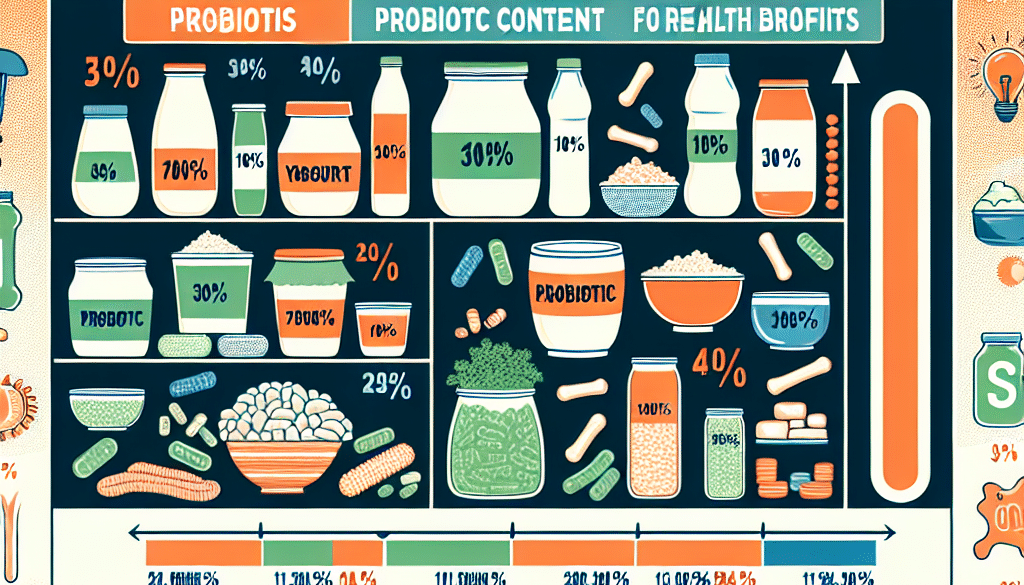
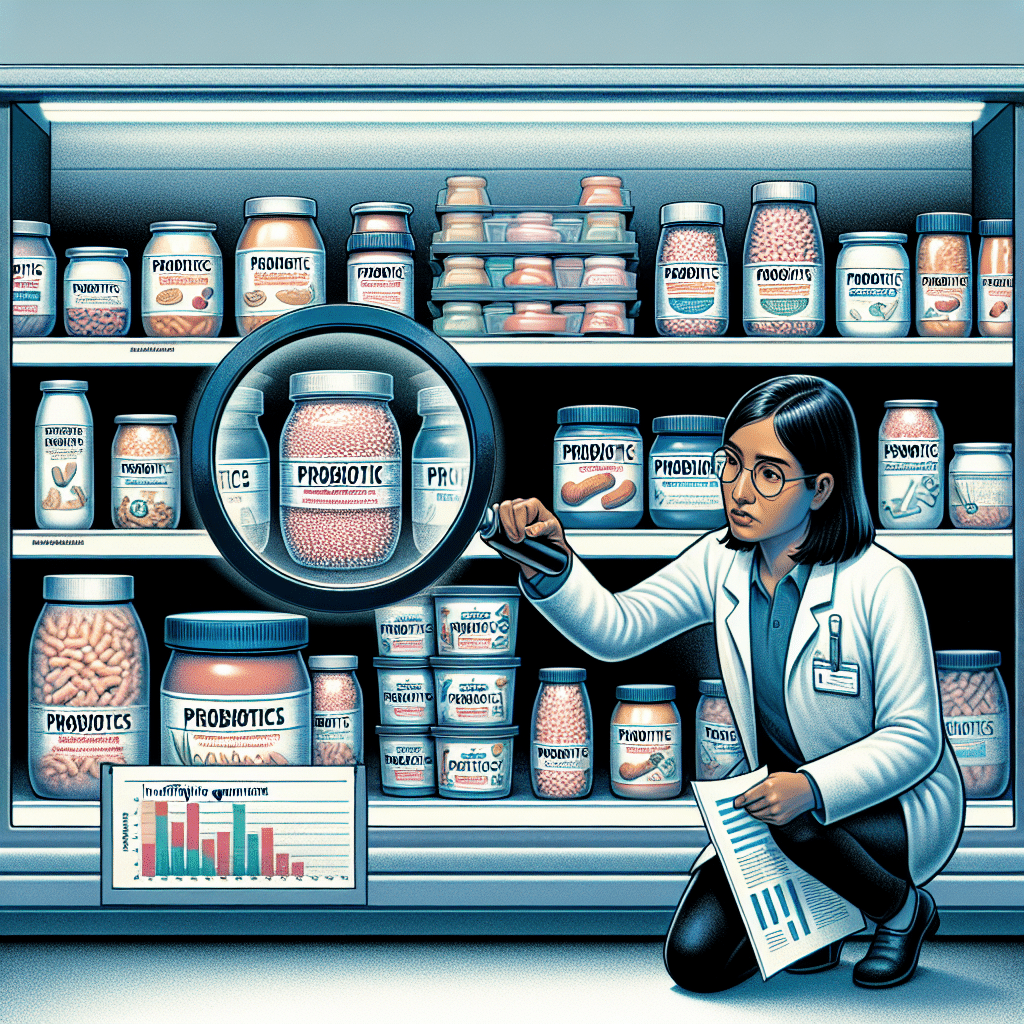
The study in question analyzed various food products that claimed to contain probiotics. Researchers tested these products to determine whether they contained the levels of probiotics necessary to confer a health benefit. The results were eye-opening:
- Many products had probiotic levels far below those recommended by health experts.
- Some products did not contain any live probiotics at all.
- Labeling was often misleading or vague, making it difficult for consumers to make informed choices.
The study’s findings suggest that consumers may not be getting the probiotic benefits they expect from these foods.
Case Studies and Examples of Misleading Probiotic Claims
Several case studies highlight the issue of misleading probiotic claims. For instance, a popular yogurt brand was sued for overstating the health benefits of its probiotic content. Another example is a probiotic beverage that was found to contain only a fraction of the bacteria claimed on the label.
These cases underscore the need for better regulation and standardization in the industry to ensure that consumers are not misled.
Regulatory Challenges and Consumer Education
One of the main challenges in regulating probiotic content is the lack of a standardized measurement for what constitutes an effective dose. Regulatory agencies like the FDA have not established clear guidelines, which leaves room for interpretation by manufacturers.
Consumer education is also crucial. People need to understand what to look for on labels and how to choose products that genuinely offer probiotic benefits. This includes being aware of:
- The specific strains of probiotics contained in a product
- The number of live organisms per serving
- Storage requirements to maintain probiotic viability
Implications for the Probiotic Food Industry
The study’s findings have significant implications for the probiotic food industry. Manufacturers may need to reevaluate their products to ensure they deliver the promised benefits. This could involve:
- Investing in better production processes to maintain probiotic viability
- Improving labeling accuracy
- Conducting more rigorous testing of probiotic levels
For the industry to maintain consumer trust, transparency and honesty must be prioritized.
Choosing the Right Probiotic Products
For consumers looking to incorporate probiotics into their diet, it’s essential to choose products wisely. Here are some tips:
- Look for products with “live and active cultures” on the label.
- Check for the specific strains of bacteria used and their health benefits.
- Be wary of products with a long shelf life, as probiotics are sensitive to time and environmental conditions.
- Consider supplements if you cannot find reliable food sources of probiotics.
Conclusion: The Importance of Adequate Probiotic Levels
The study’s findings highlight a significant issue in the probiotic food industry: many products do not contain enough probiotics to offer health benefits. This revelation calls for increased regulation, better consumer education, and more honesty from manufacturers. As consumers, it’s crucial to be informed and selective when choosing probiotic foods to ensure we receive the health benefits we seek.
Discover ETChem’s High-Quality Protein Products
While the focus on probiotics is essential for gut health, it’s also important to consider overall nutritional intake, including protein. ETChem offers a range of high-quality protein products that can complement a diet rich in probiotics. Their offerings include various types of collagen, which is beneficial for skin, joint, and bone health. ETChem’s commitment to quality ensures that you receive the best protein supplements to support your health and wellness goals.
About ETChem:
ETChem, a reputable Chinese Collagen factory manufacturer and supplier, is renowned for producing, stocking, exporting, and delivering the highest quality collagens. They include marine collagen, fish collagen, bovine collagen, chicken collagen, type I collagen, type II collagen and type III collagen etc. Their offerings, characterized by a neutral taste, instant solubility attributes, cater to a diverse range of industries. They serve nutraceutical, pharmaceutical, cosmeceutical, veterinary, as well as food and beverage finished product distributors, traders, and manufacturers across Europe, USA, Canada, Australia, Thailand, Japan, Korea, Brazil, and Chile, among others.
ETChem specialization includes exporting and delivering tailor-made collagen powder and finished collagen nutritional supplements. Their extensive product range covers sectors like Food and Beverage, Sports Nutrition, Weight Management, Dietary Supplements, Health and Wellness Products, ensuring comprehensive solutions to meet all your protein needs.
As a trusted company by leading global food and beverage brands and Fortune 500 companies, ETChem reinforces China’s reputation in the global arena. For more information or to sample their products, please contact them and email karen(at)et-chem.com today.